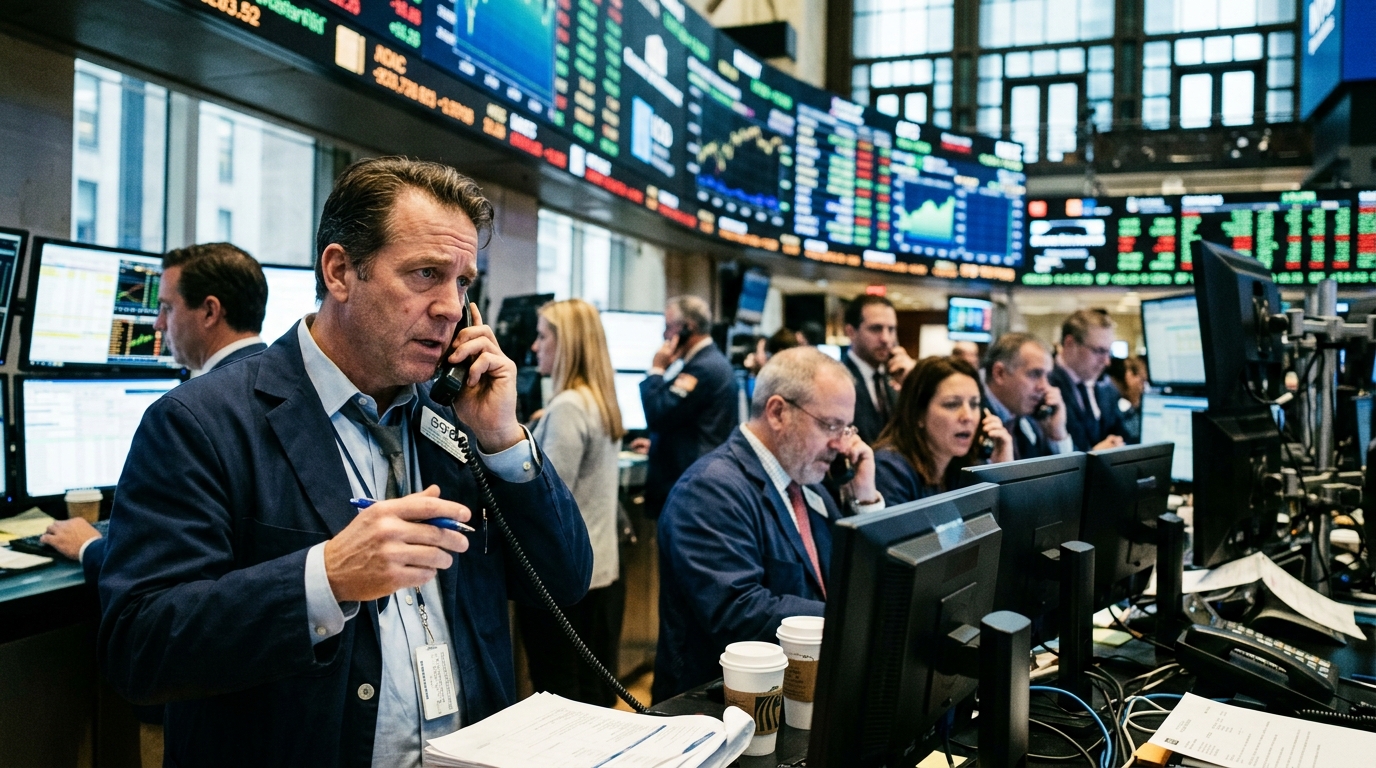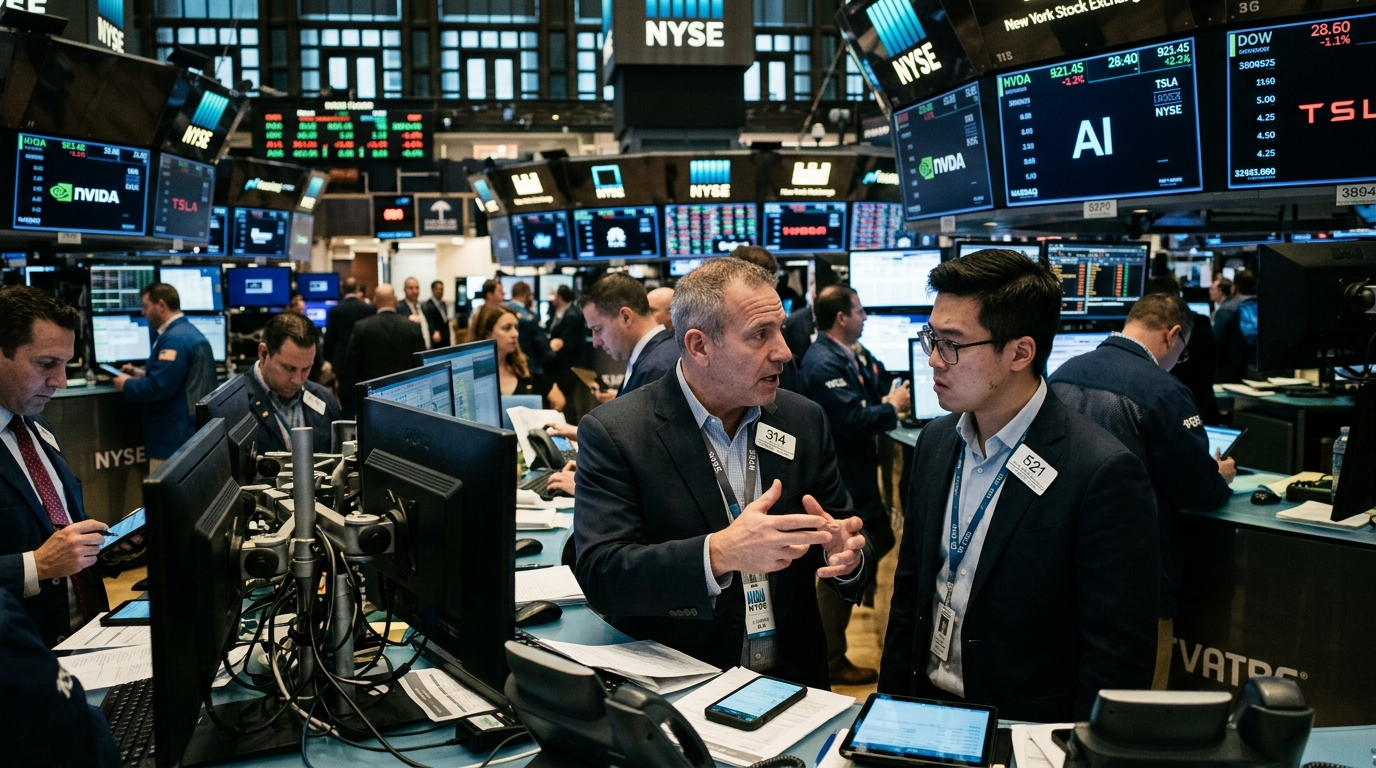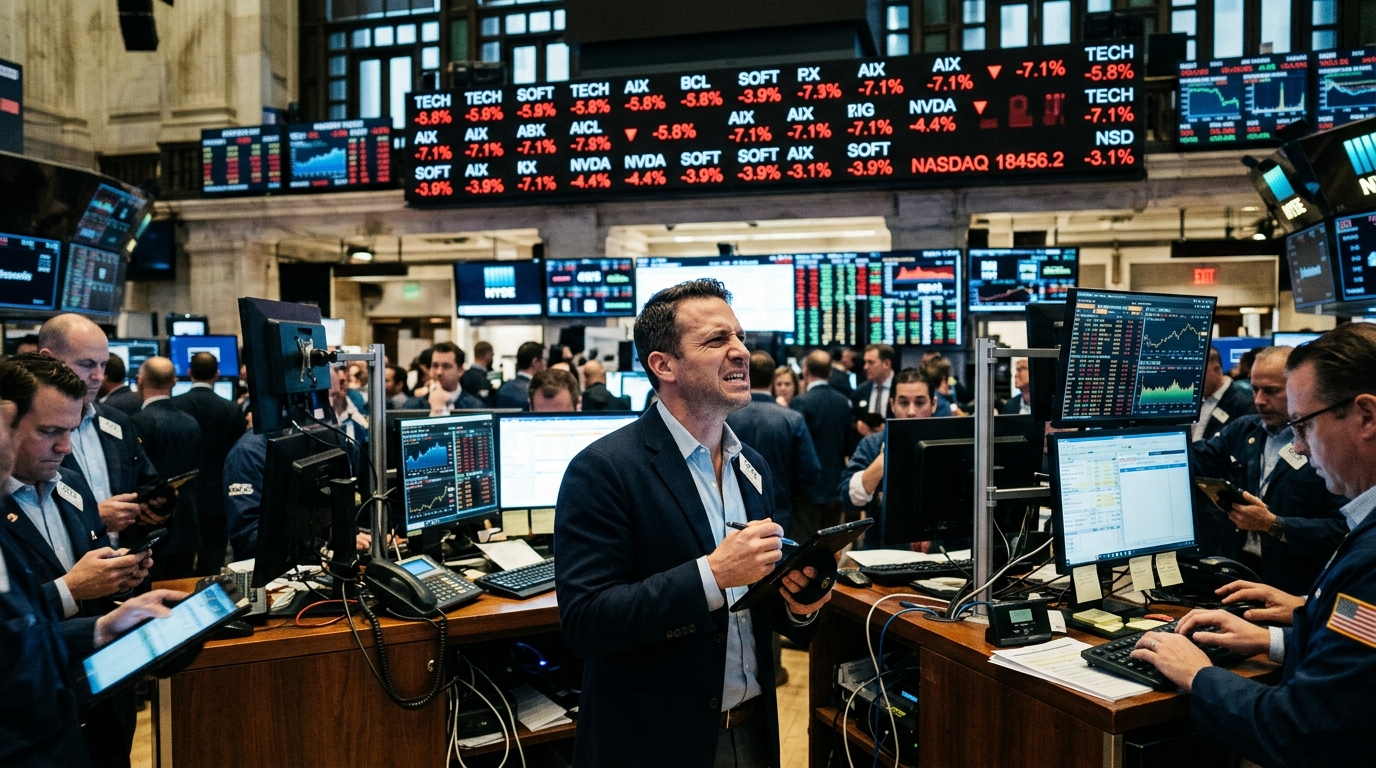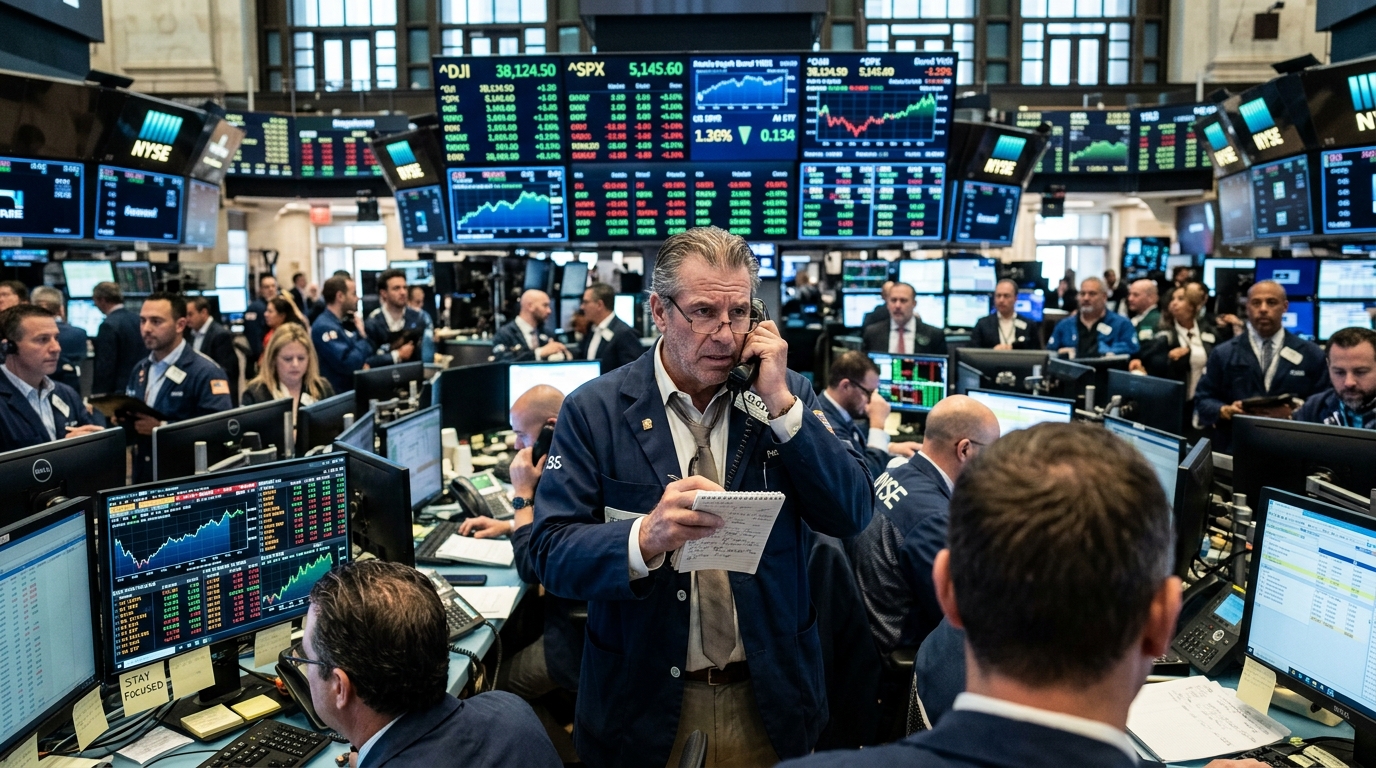
Wall Street is navigating one of the most paradoxical periods in modern financial history. As we approach mid-2026, the market appears to be moving at two distinct speeds, creating an environment that blends the excitement of a technological revolution with the cold, hard logic of macroeconomic indicators. On one hand, Artificial Intelligence (AI) related stocks continue to shatter records, fueled by the promise of unprecedented productivity gains. On the other, U.S. Treasury yields are climbing to levels that have historically signaled corrections and economic strain.
The AI Dominance and the 'Second Phase' of Adoption
We are no longer in the era of mere hype that characterized 2023 and 2024. 2026 is the year of "operational integration." The tech giants, the evolved "Magnificent Seven," are no longer just selling promises; they are delivering results. Companies like Nvidia, Microsoft, and Alphabet have successfully turned billions in AI infrastructure investment into tangible revenue from enterprise clients who use autonomous AI agents to manage supply chains, legal support, and medical diagnostics.
This fundamental shift has propelled the S&P 500 to levels many analysts deemed unthinkable two years ago. The market capitalization of leaders in the AI race has ballooned as investors bet that this technology will offset demographic pressures and labor shortages in developed economies. However, this "silicon euphoria" is facing an age-old nemesis: the cost of capital.
The Bond Yield Warning and Inflationary Pressures
The yield on the U.S. 10-year Treasury, the global benchmark for borrowing costs, has begun flashing warning signs. The rise in yields reflects investor concerns that inflation has not been fully tamed, despite the Federal Reserve's best efforts. Energy prices, driven by the massive demand from AI data centers, remain stubbornly high, fueling a new cycle of anxiety.
"The bond market is the adult in the room," noted a senior analyst at Goldman Sachs. "While equities are celebrating the future, bonds are worried about the present and the economy's ability to withstand rates that remain 'higher for longer.'"
The historical correlation between tech stocks and bond yields is typically negative. When yields rise, the present value of future earnings for growth companies decreases. The fact that AI stocks continue to rise despite bond pressure suggests either a historic decoupling or the formation of a bubble waiting for a catalyst to burst.
Risks for the Second Half of 2026
As we head toward the autumn, investors must navigate three primary risks:
- The Energy Infrastructure Crisis: The power requirements for AI systems are outstripping supply, driving up operational costs and squeezing profit margins.
- Geopolitical Instability: Restrictions on semiconductor exports and tensions in Taiwan remain the "black swan" that could sever the lifeline of the AI revolution.
- Monetary Tightening: If the Fed is forced to implement further rate hikes to combat "AI-induced inflation," market liquidity could dry up abruptly.
In conclusion, Wall Street stands at a crossroads. Technological progress is undeniable, but the laws of economics remain in force. Investors should exercise caution as the gap between Silicon Valley valuations and the reality of Washington's bond yields widens precariously. The next move in the bond market may well determine whether 2026 is remembered as the year of the great rally or the great correction.