The history of money is defined by the relentless pursuit of reducing friction. From gold coins to plastic cards, and from silicon chips to digital wallets, Visa is now taking perhaps its most radical leap yet: allowing artificial intelligence to spend money on our behalf. The company's announcement of infrastructure designed specifically for "AI agents" is not merely a technical update; it represents a fundamental shift in the social contract between consumer, financial institution, and technology.
From Conversation to Transaction: The Rise of Agentic AI
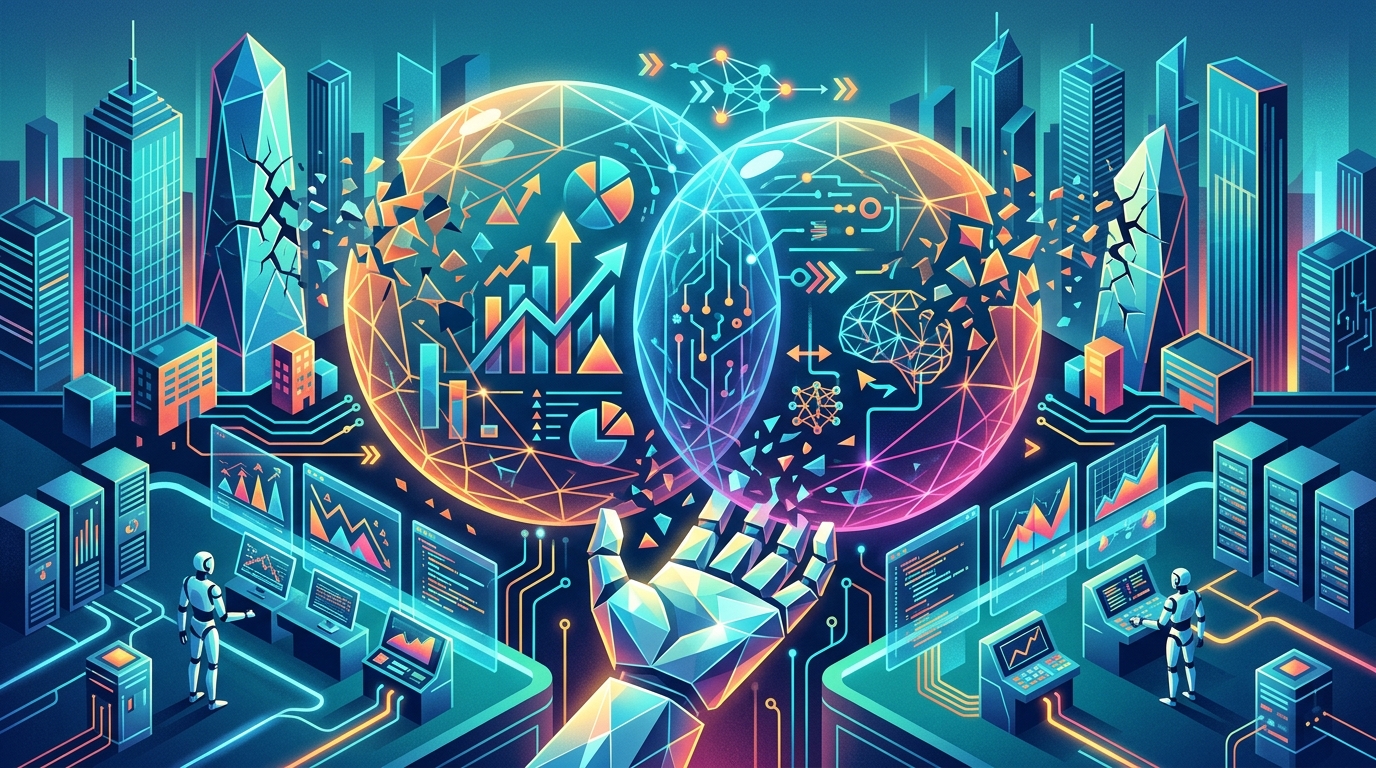
Until recently, our interaction with Generative AI was primarily informational. We asked ChatGPT or Claude to research hotels, summarize reports, or compare product prices. However, the final step—entering credit card details and confirming the purchase—remained a strictly human prerogative. Visa, recognizing the industry pivot toward "Agentic AI," is developing APIs that allow these digital proxies to hold their own virtual payment credentials.
The core technology hinges on sophisticated tokenization. Instead of an AI agent having access to a user's primary account number (PAN), Visa issues a unique digital token restricted by specific parameters: merchant types, spending ceilings, or time limits. This enables a user to command, "Book me a trip to Tokyo within a $3,000 budget," and the AI agent executes the multi-vendor transactions autonomously, without further human intervention.
The Machine Economy and B2B Implications
While the prospect of an AI shopping for groceries or clothes is compelling for consumers, the true revolution lies in the Business-to-Business (B2B) sector. Visa is targeting the modernization of corporate spending, where AI agents can manage a company’s procurement, pay for recurring software subscriptions, or settle supply chain invoices in real-time. This level of automation promises to optimize cash flow at speeds unattainable by traditional accounting departments.
- Autonomous Inventory Management: Systems will automatically order and pay for raw materials as stocks dwindle.
- Dynamic Procurement: AI agents can capitalize on flash discounts in energy or commodity markets.
- Operational Efficiency: Eliminating manual approval for micro-transactions will free up human capital for strategic tasks.
The Risks of "Digital Hallucinations" and Liability
Despite the technological allure, a critical question remains: what happens when the AI makes a mistake? Large Language Models (LLMs) are notorious for "hallucinations." If an AI agent misinterprets a prompt and purchases ten tickets instead of one, or falls victim to "prompt injection" attacks from a malicious third party, who is financially liable?
Visa asserts that its security framework—incorporating strict spending controls and geographic fencing—will mitigate these risks. However, the legal dimension of delegating financial authority to an algorithm remains murky. Regulators in the EU and the US are closely monitoring these developments, as the transformation of AI from an analytical tool to an executive transactional entity fundamentally alters the landscape of consumer protection.
"We aren't just building an API; we are building the operating system for the future of commerce, where humans and machines transact seamlessly," industry analysts suggest.
Conclusion: A New Paradigm of Digital Trust
Visa’s move signals the end of an era where payment was a conscious, manual act. As payments become "invisible," the risk of overspending or loss of oversight increases. Simultaneously, the efficiency gains offered by an autonomous economy are too significant for the global market to ignore. The challenge for 2026 and beyond is not whether we will allow AI to use our credit cards, but how we define the safeguards ensuring that humans remain the ultimate sovereign over their financial destiny.