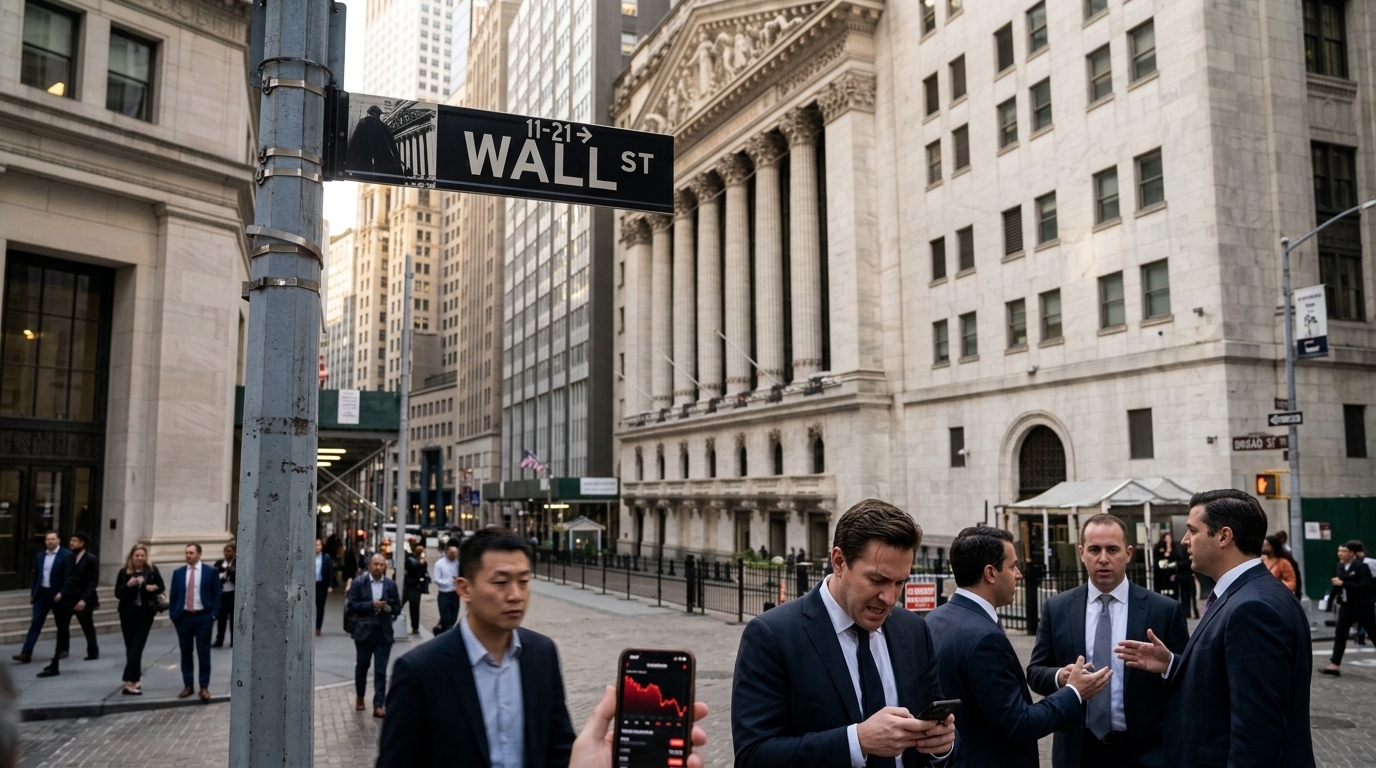
The history of financial markets is a succession of cycles of euphoria and abrupt landings. Today, as we navigate the summer of 2026, the US Treasury Department has issued a landmark report focusing not on the potential of Artificial Intelligence (AI), but on the risks posed by its financial "bubble." According to the report, the excessive concentration of capital in a few tech giants and the reckless speculation surrounding the promises of Generative AI have created a structural fragility that threatens to trigger global economic shocks.
The Structural Fragility of the AI Economy
The central argument of the report is based on the mismatch between massive infrastructure investments (CapEx) and the actual revenue generated by AI applications. Major tech companies have spent hundreds of billions of dollars purchasing GPUs and building data centers, yet business adoption of AI to generate real value remains in its early stages. The Treasury Department points out that if productivity growth expectations are not met soon, the market may react violently, leading to a massive withdrawal of capital.
Furthermore, the report highlights the risk of "power concentration." The global economy now depends on an extremely small number of hardware and software providers. A potential failure or a sharp drop in the market value of even one of these "Big Tech" companies could trigger chain reactions in pension funds, banks, and investment portfolios worldwide. This "too big to fail" phenomenon is now shifting from the banking sector to the tech sector, with unpredictable consequences for systemic stability.
Algorithmic Contagion: When Machines Panic
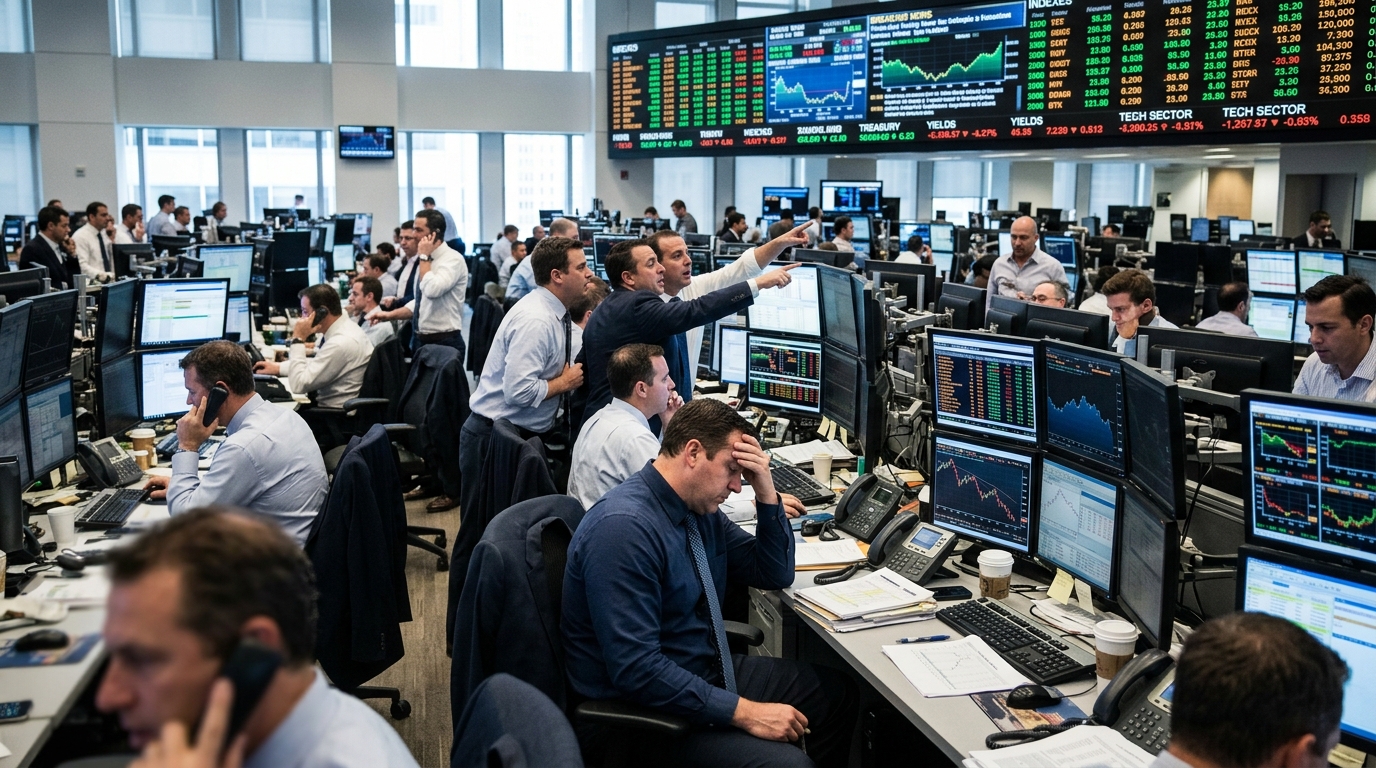
A particularly concerning aspect of the report involves the use of AI within the financial sector itself. Banks and hedge funds increasingly use machine learning algorithms for decision-making regarding trading and risk management. The problem, according to the Treasury, is "model homogeneity." If many financial entities use similar AI models trained on the same datasets, there is a risk they will react simultaneously in the same way to a market shift.
This "herding behavior" of algorithms can lead to flash crashes, where liquidity disappears within seconds. The lack of transparency in the "black boxes" of AI models makes it difficult for regulators to intervene in time. The Treasury Department is calling for more rigorous stress tests for financial institutions, which must now prove that their AI systems will not exacerbate a crisis during periods of volatility.
The Regulatory Tightrope and the Future
The report is not just a warning; it is a call to action. The Treasury proposes the creation of a new oversight framework that links technological innovation with financial security. This includes mandatory disclosure of AI-related risks in corporate annual reports and closer cooperation between the SEC and tech regulators.
In conclusion, while Artificial Intelligence remains a transformative force, its financial management dangerously resembles previous bubbles. The difference this time is the speed and scale. If the AI bubble bursts, it won't just be Silicon Valley that feels the impact, but the very backbone of the global financial system. The challenge for 2026 and beyond is to ensure that progress is not sacrificed on the altar of a new Great Depression, fueled by algorithms and unfulfilled promises.
- Excessive capital concentration in a few firms creates systemic risk.
- The gap between AI investment and revenue mirrors the dot-com crisis.
- Algorithmic trading increases the likelihood of sudden market collapses.
- Immediate regulatory intervention is required to protect the global economy.