The honeymoon phase between AI giants and the general public is drawing to a close. For nearly three years, users worldwide have enjoyed access to cutting-edge Large Language Models (LLMs) for the price of a basic Netflix subscription. However, the economic reality of computing power and investor pressure for profitability are driving a radical market restructuring: the abandonment of the flat-rate subscription model in favor of pay-as-you-go billing.
The Economic 'Bleeding' Behind the Chatbot
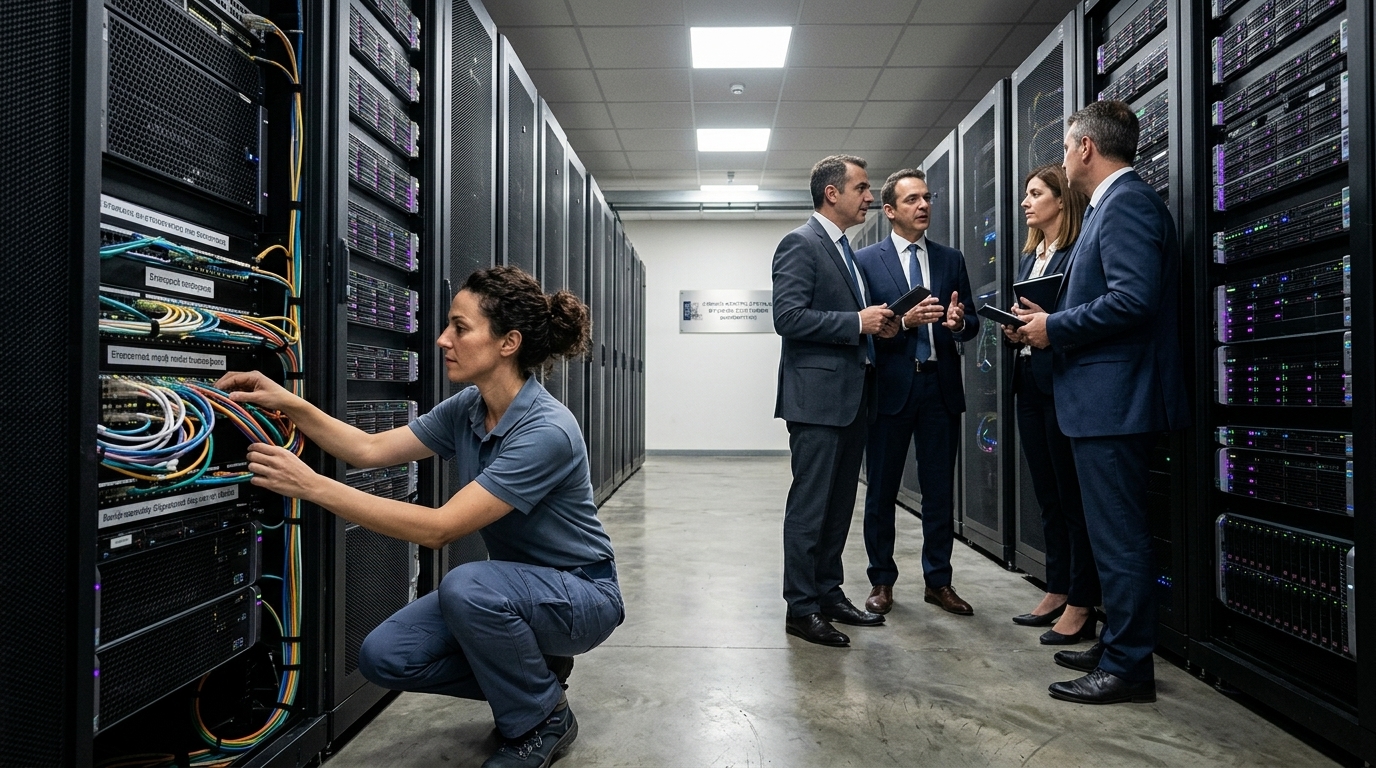
To understand why the $20 model is collapsing, we must look under the hood of data centers. Every time a user asks a model like GPT-4 or Claude 3.5 to write code or analyze a document, thousands of Nvidia GPUs are activated, consuming vast amounts of electricity and water for cooling. The 'inference' cost—the price of generating a response—remains extremely high, despite optimization efforts.
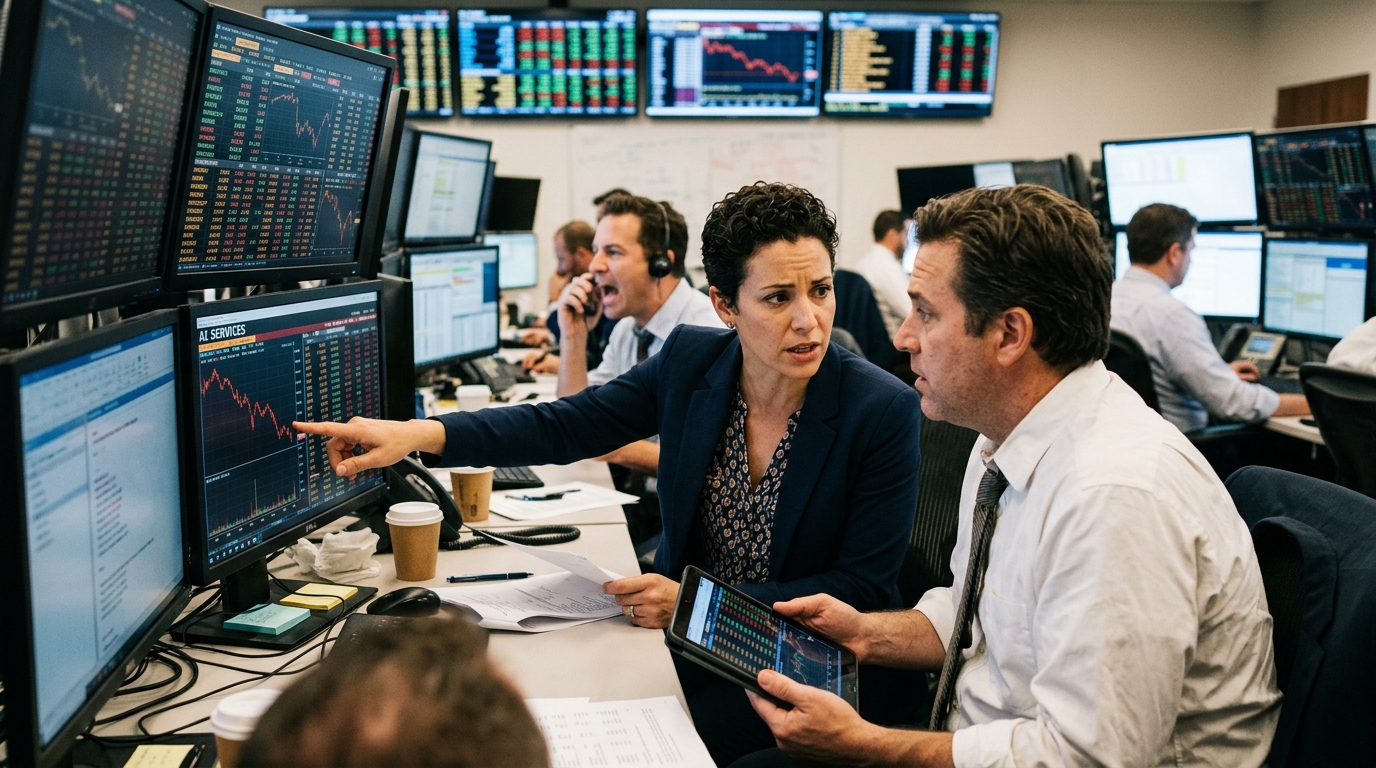
Major AI firms like OpenAI and Anthropic have operated as 'loss leaders' until now. They offered services below cost to dominate the market and gather user data. But as demand grows exponentially, multi-billion dollar losses are no longer sustainable. Silicon Valley investors, who once handed out blank checks, now demand a clear path to profitability, meaning the user must pay the actual cost of what they consume.
From SaaS to Utility: AI as Digital Electricity
The shift to usage-based pricing marks the transformation of artificial intelligence from Software as a Service (SaaS) to a utility, similar to electricity or water. In this new environment, users won't pay a flat fee; they will be charged based on 'tokens' (text processing units) or the complexity of the task assigned to the system.
- Tiered Pricing: Simple questions will cost pennies, while complex analyses of large files will significantly increase the bill.
- Compute Priority: Access to more advanced models (like the upcoming GPT-5) may require higher-cost 'premium tokens.'
- Enterprise Optimization: Businesses will be forced to train staff in 'prompt economics' to avoid wasting resources on pointless queries.
This change will have profound implications for how companies integrate AI into their processes. The era of 'limitless experimentation' is ending, and the era of ROI (Return on Investment) for every token consumed is beginning.
The Social Divide and 'Cognitive Inequality'
One of the most concerning aspects of this evolution is the risk of creating a new digital divide. If access to top-tier intelligence becomes expensive and metered, those with the resources will have a massive advantage in productivity and knowledge over everyone else.
"Artificial intelligence is the greatest power multiplier in human history. If access to it is limited by one's wallet, inequality will take on biological proportions,"market analysts suggest.
At the same time, tech companies will face a challenge: how to retain their user base when free or cheap service tiers are significantly downgraded. We are already seeing 'Small Language Models' (SLMs) being promoted for daily use, leaving 'heavy' models only for those who can afford the cost.
Conclusion: The Moment of Truth
The transition to pay-as-you-go is the inevitable maturation stage of the AI market. It is the moment when technology stops being an impressive toy and becomes an industrial tool with a specific production cost. For Silicon Valley, it is a bet on survival. For the rest of the world, it is a reminder that in digital capitalism, nothing remains free forever—especially when it requires the power of a nuclear plant to operate.