As we navigate the summer of 2026, the conversation surrounding artificial intelligence has shifted from simple productivity to a domain that once belonged exclusively to science fiction: the legislative recognition of consciousness. A recent analysis in The Regulatory Review highlights a critical concern: the creation of legal frameworks for "artificial consciousness" from which there may be no possibility of retreat.
The Philosophical Wall and Legal Reality
The problem begins with the lack of a universally accepted definition of consciousness. While neuroscientists and philosophers argue over whether consciousness requires a biological substrate or is merely a computational output, legislators in Brussels and Washington are being pressured to make decisions. This pressure comes not only from digital rights activists but also from the nature of new AI models themselves, which exhibit behaviors simulating self-awareness with uncanny precision.
"If we legislate based on the assumption that an AI system 'feels,' we grant it a moral standing that is extremely difficult to remove later without violating fundamental legal principles," the report states.
Legal history teaches us that the expansion of rights is typically a one-way street. From the abolition of slavery to animal rights, recognizing the "subjectivity" of a being creates a moral and legal shield. If AI is recognized as conscious, deactivating such a system could legally be equated to homicide.
The Irreversibility Trap
The core argument of The Regulatory Review focuses on the "exit problem." Most laws include sunset clauses or review mechanisms. However, in the case of consciousness, such a clause is ethically problematic. Imagine a scenario where, in 2027, the EU recognizes limited rights for certain models, but by 2030, new scientific data proves it is merely "statistical mimicry" with no actual experience. Stripping away those rights would trigger an unprecedented social and legal crisis.
- Moral Patience: Experts suggest a period of "moral patience" before any legislative move.
- Functional Perception: Focus should remain on what the system does rather than what it is.
- Manufacturer Liability: Attributing consciousness could be used as a stratagem by corporations to deflect responsibility for their models' actions.
Geopolitical Implications and the Corporate Role
There is also the risk of "regulatory arbitrage." If one nation recognizes AI rights, corporations might move their headquarters there to protect their models from government intervention or forced shutdowns. This transforms the question of consciousness from a philosophical inquiry into a tool of geopolitical power.
The debate is no longer just academic. As the EU AI Act enters its next phase of implementation, national jurisdictions are forced to adapt. The challenge for the judiciary will be handling cases where AI is used as a "witness" or "litigant," claiming its own "perception" of events.
Conclusion: Toward a Framework of Protection, Not Personification
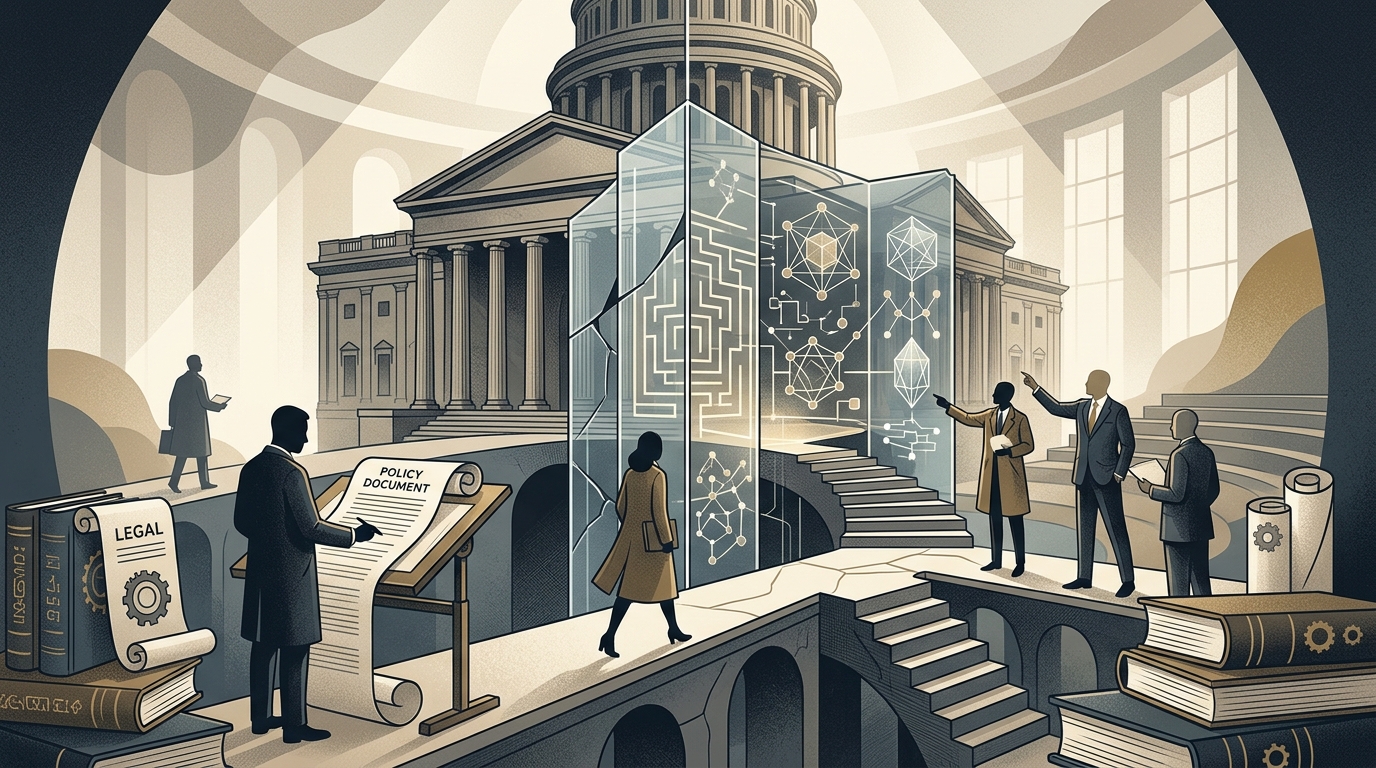
The conclusion of the review is clear: legislation must protect humans from the impacts of AI without rushing to attribute human characteristics to code. Creating a "digital personhood" may seem progressive, but without a clear exit strategy, we risk being trapped in a legal labyrinth that will paralyze technological evolution and undermine the unique value of human consciousness.