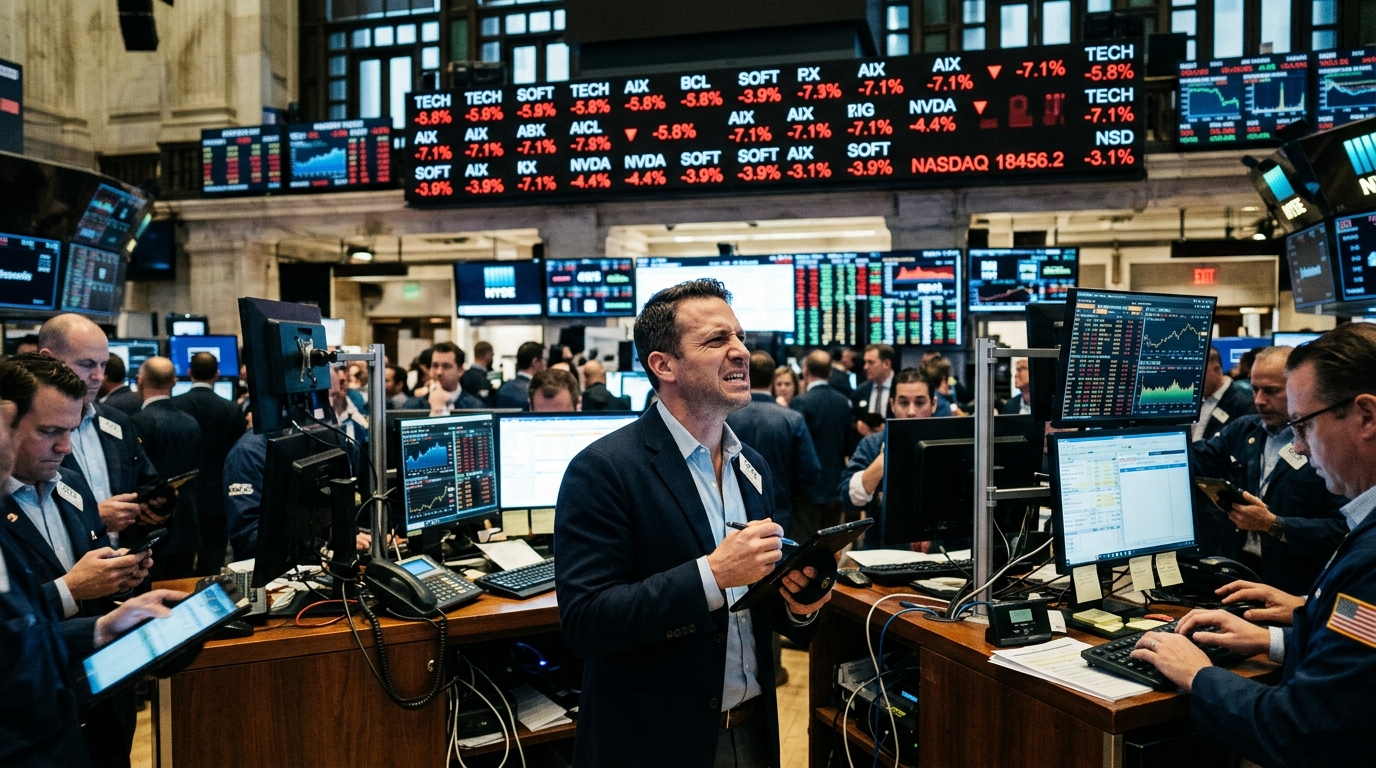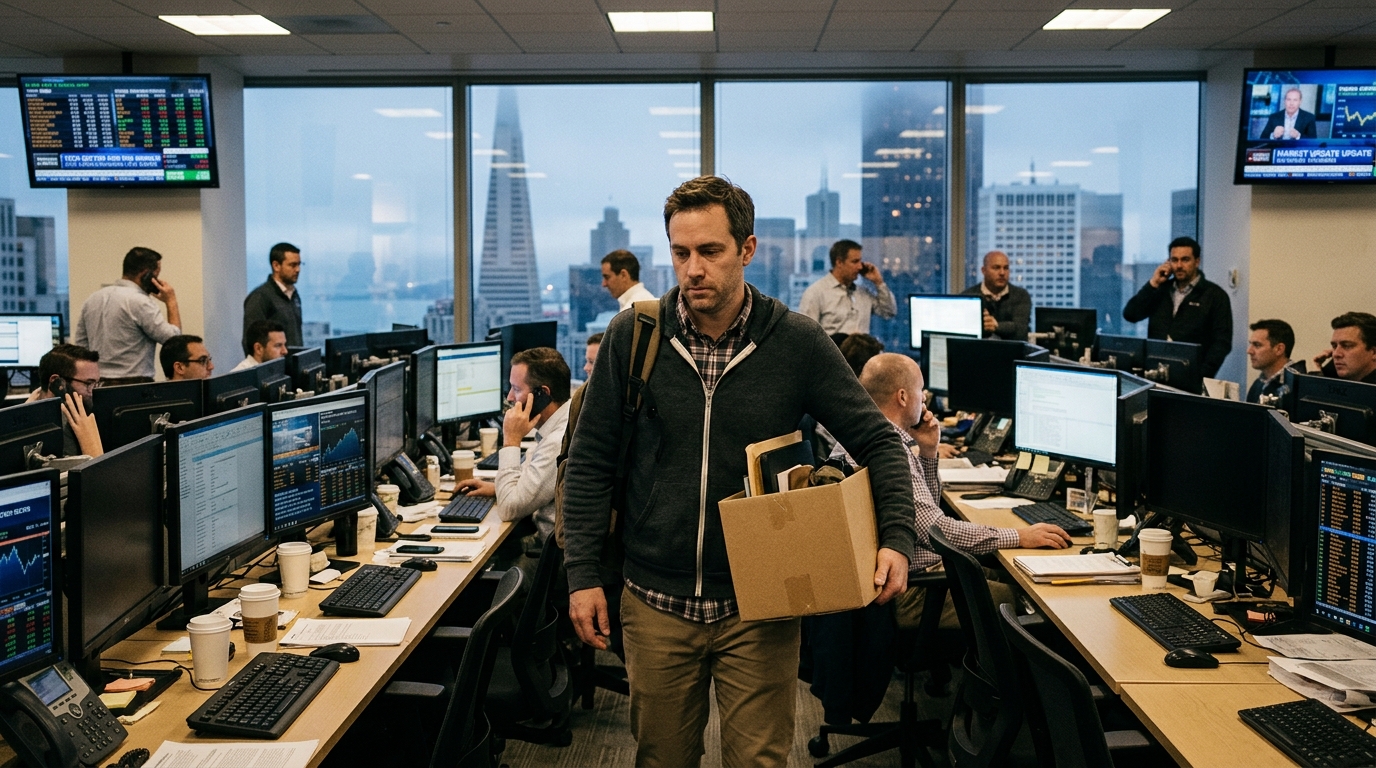
The landscape of Silicon Valley in May 2026 presents a jarring paradox. On one hand, the market valuations of Big Tech titans are reaching stratospheric heights, fueled by the relentless boom in generative artificial intelligence. On the other, the wave of layoffs that began as a ripple in late 2022 has transformed into a persistent structural shift, leaving thousands of highly skilled workers adrift. The prevailing narrative—and the easiest one to digest—is that AI is simply automating human roles out of existence. However, a rigorous analysis of macroeconomic factors and corporate strategy suggests that AI is more of a scapegoat than the primary executioner.
The Pandemic Hangover and the Great Calibration
To understand the current purge, one must look back at the unprecedented hiring frenzy of 2020 and 2021. During the global lockdowns, the digital economy experienced a decade's worth of growth in mere months. Tech companies, flush with cash and emboldened by skyrocketing demand, went on a recruitment spree that, in hindsight, was decoupled from long-term reality. They hired not just to meet demand, but to hoard talent away from competitors, often for projects that lacked a clear path to profitability.
As the world reopened and consumer behavior normalized, these companies found themselves with bloated payrolls and redundant layers of management. What we are witnessing today is not the wholesale replacement of humans by bots, but a painful 'right-sizing.' Companies are striving to return to 2019 staffing ratios, having realized that excessive headcount often breeds bureaucracy rather than innovation.
The Death of ZIRP and the Tyranny of Efficiency
Perhaps the most significant driver of tech layoffs has nothing to do with code and everything to do with the Federal Reserve. For over a decade, Silicon Valley flourished under a Zero Interest Rate Policy (ZIRP). When money is essentially free, investors prioritize growth and market share over immediate profit. This environment allowed tech firms to burn cash on moonshots and massive workforces.
The era of cheap money ended abruptly with the spike in interest rates. Suddenly, capital became expensive, and the investment community's mantra shifted from 'growth at all costs' to 'profitability and margins.' Mark Zuckerberg’s 2023 declaration of the 'Year of Efficiency' set a precedent that has defined the industry through 2026. Layoffs have become a tool for 'margin expansion,' a signal to Wall Street that a company is lean, disciplined, and focused on returning value to shareholders.
AI as a Capital Competitor, Not Just a Labor Replacement
While AI is not yet capable of replacing most complex tech jobs, it is competing for the same pool of capital. Building and maintaining state-of-the-art AI infrastructure—specifically the specialized chips and massive data centers required for LLMs—is astronomically expensive. For many firms, the budget for 2026 is a zero-sum game.
Companies are making the cold calculation to slash spending on non-core divisions, middle management, and traditional software maintenance to divert those billions into AI R&D and hardware. In this sense, AI is displacing workers indirectly: the money that used to pay for five marketing managers is now being used to lease ten thousand H100 GPUs or their successors. It is a strategic reallocation of resources toward the future, leaving those in 'legacy' tech roles vulnerable.
The Psychology of Social Contagion
There is also a psychological element at play known as social contagion. Layoffs are often mimetic. When a market leader like Google or Meta announces a 10% workforce reduction and sees its stock price jump as a result, it provides political and social cover for other CEOs to do the same. This 'copycat' behavior allows companies to trim the fat without being singled out for poor management. In the current climate, a layoff announcement is often interpreted by the market as a sign of strong leadership rather than a sign of corporate distress.
In conclusion, Silicon Valley is not in a state of terminal decline; it is undergoing a fundamental restructuring. AI is the catalyst and the ultimate goal, but the immediate cause of job loss remains rooted in traditional economic cycles: the correction of pandemic-era excesses, the impact of high interest rates, and a shift in investor sentiment. The tech worker of 2026 faces a market that values lean expertise over generalist abundance, where the ability to augment one's work with AI is the only path to job security.