The news that PJM Interconnection, the largest power grid operator in the United States, is escalating emergency actions to avoid widespread outages is more than just a technical warning. It is a symptom of a deeper systemic crisis that blends climate change, aging infrastructure, and the unexpectedly rapid rise of energy-intensive technologies like Artificial Intelligence. Today, July 3, 2026, the situation on the U.S. East Coast resembles a war bulletin, with authorities calling on millions of citizens and businesses to curtail consumption to prevent a total collapse.
The Anatomy of a Foretold Crisis
PJM, which serves over 65 million people across 13 states—including Pennsylvania, New Jersey, and Virginia—has issued Level 1 and Level 2 alerts, requesting generators to remain on standby and consumers to dial back air conditioning usage. The combination of a prolonged heatwave with temperatures soaring above 104°F (40°C) and reduced power supply due to scheduled maintenance has created a volatile cocktail. However, the problem isn't just the weather.
The U.S. energy transition is at a critical crossroads. While coal-fired power plants are being retired at a record pace to meet climate goals, their replacement by renewable energy sources and storage systems is not moving with the necessary speed. PJM has repeatedly warned that its reserve margin—the extra power kept for emergencies—is shrinking dangerously. The current crisis confirms these fears, highlighting the gap between political ambition and operational reality.
The AI Factor: The Insatiable Demand of Data Centers
One of the less discussed but most decisive factors in the current grid pressure is Northern Virginia, home to the world's largest concentration of data centers. As the AI revolution demands ever-increasing computing power, electricity demand from these data centers has skyrocketed. Latest-generation AI models require ten times more energy for training and inference than traditional internet searches.
"We are no longer in an era where demand is predictable. The rise of AI has changed the rules of the game, turning the grid into an arena where industrial necessity clashes with domestic survival," says a Washington-based energy analyst.
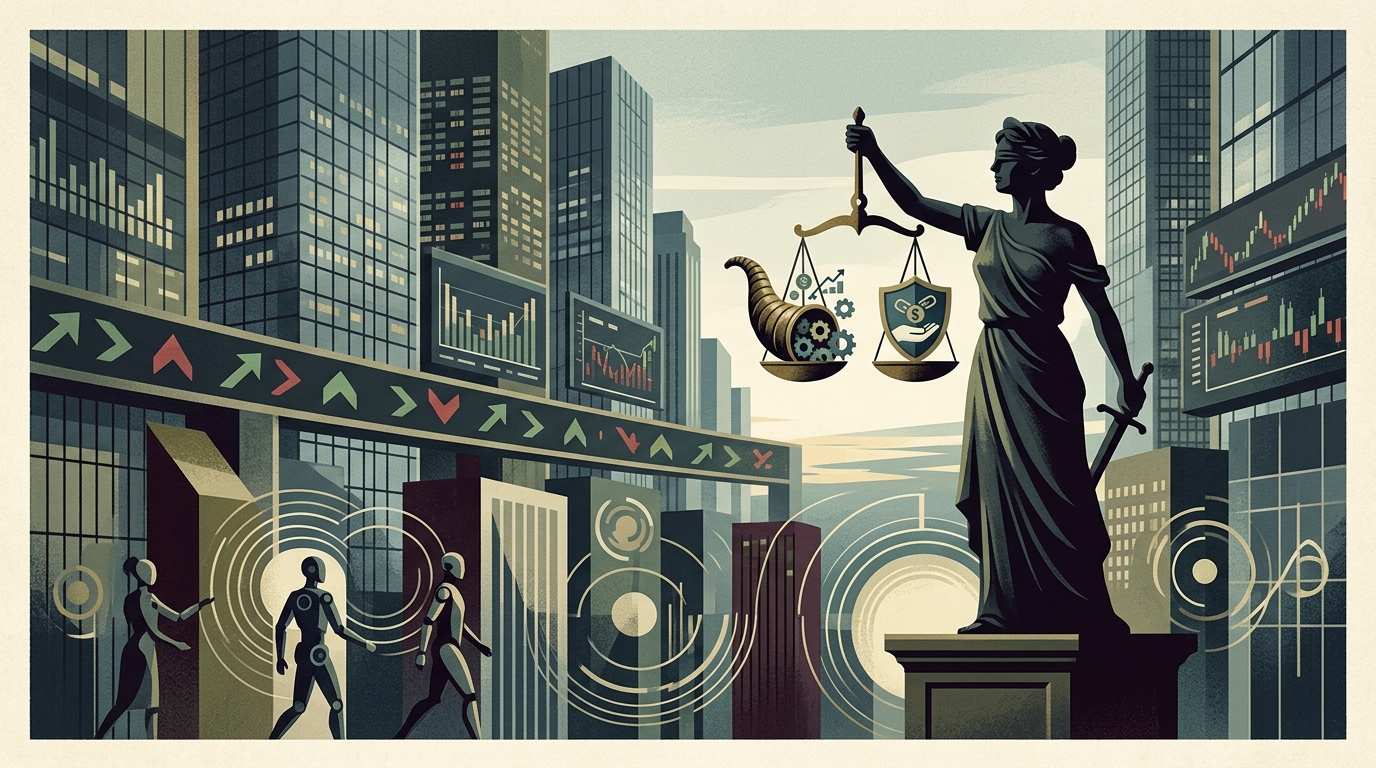
PJM is now forced to choose between supporting the digital economy and providing power to households. "Emergency actions" include cutting off supply to large industrial customers who have signed "interruptible load" contracts in exchange for lower rates. However, if temperatures do not subside, rolling blackouts will be the next inevitable step.
Economic Implications and Policy Gridlock
The cost of this instability is immense. Spot electricity prices in PJM zones have surged to levels not seen since the 2022 energy crisis. For businesses, the uncertainty of supply means lost productivity and increased insurance costs. For politicians, it is a nightmare in a year where energy security and inflation are at the heart of public discourse.
The problem is exacerbated by difficulties in building new transmission lines. Bureaucracy and local opposition (NIMBYism) have delayed critical interconnection projects that would allow power to be moved from surplus areas (like Midwestern wind farms) to East Coast consumption hubs. Without a radical overhaul of how infrastructure is approved and funded, the U.S. grid will remain vulnerable to every heatwave or cold snap.
Conclusion: A Lesson for the World
The PJM crisis serves as a warning for Europe and beyond. As Greece and other Mediterranean countries face their own heatwaves, the need for a robust, flexible, and adequately funded grid is more pressing than ever. AI promises to solve many of humanity's problems, but for now, it is an additional burden on an already strained system. Balancing technological progress with basic social infrastructure is the greatest challenge of our decade.