The history of energy is, at its core, the history of geopolitical power. Today, as the flames of conflict in the Middle East—with Iran playing a central, albeit often shadowy, role—spread, the global energy map is not just changing; it is being rewritten with the blood and oil of a region that refuses to relinquish its leading role. The promise of a rapid green transition, which dominated international summits in recent years, seems to be colliding with the harsh reality of energy security.
The Shadow of the Strait of Hormuz
Iran's involvement in the broader regional conflict is not merely a military issue but an existential threat to the global economy. The Strait of Hormuz, through which approximately 20% of global oil consumption passes daily, is the "carotid artery" of the energy system. Any disruption there, or even the threat of one, adds a "geopolitical premium" to crude prices, which immediately flows into gas station pumps and industrial production costs in Europe and Asia.
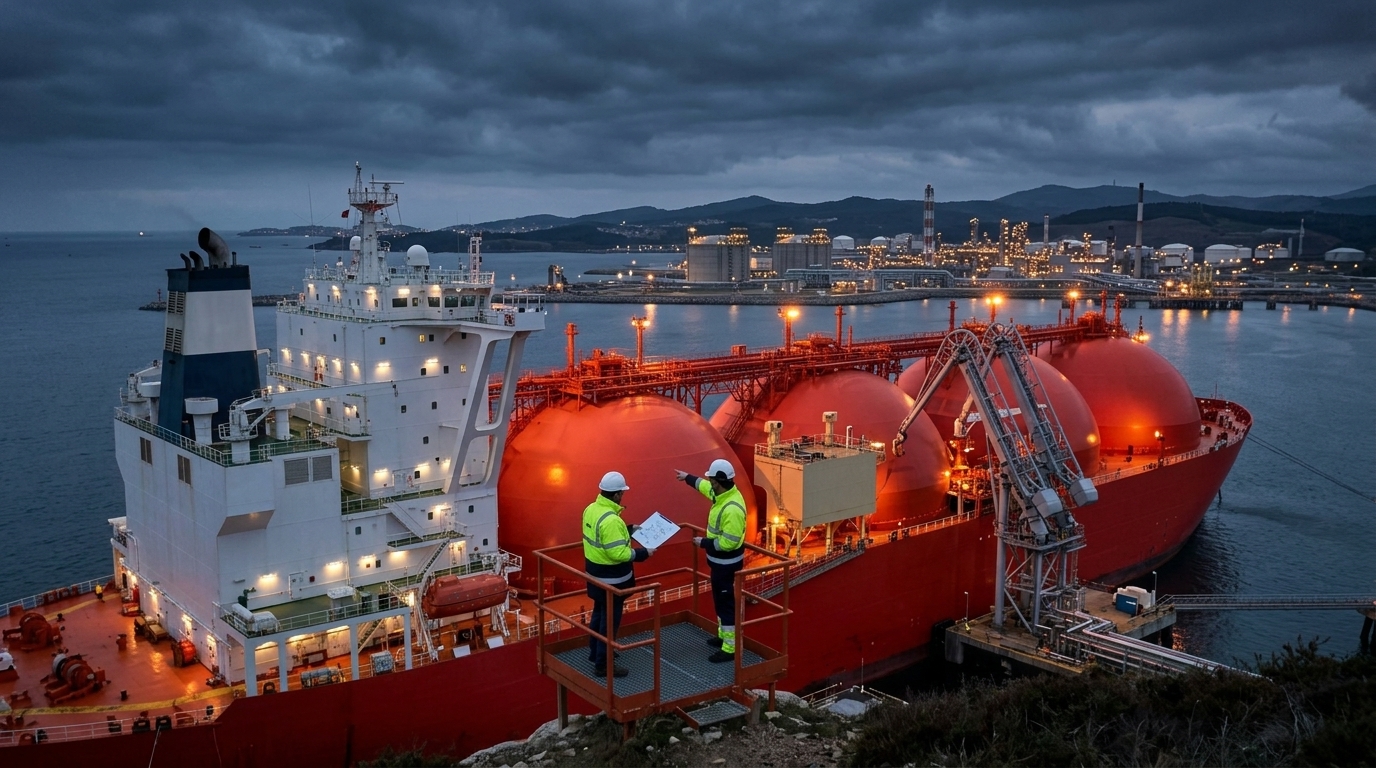
Analysts point out that the current crisis differs from those of the past. It is no longer just a simple rise in prices, but a structural shift in the flow of resources. The West, attempting to decouple from Russian gas following the invasion of Ukraine, turned to the Middle East and LNG (liquefied natural gas) from the US and Qatar. Now, this new dependence is proving equally fragile, as maritime routes in the Red Sea become a firing range for the Houthis, forcing tankers to take the costly detour around Africa.
The Paradoxical Return of Coal
The most disturbing phenomenon of this crisis is the "resurrection" of coal. While G7 countries were committing to phasing out coal-fired plants, the need for cheap and readily available energy is leading many economies—including Germany and China—to increase production from lignite and hard coal. Coal, despite its heavy environmental footprint, offers something that renewable energy sources (RES) cannot yet guarantee in times of war: base-load stability and independence from complex international supply chains.
"Energy security has now become the top priority, pushing the climate agenda to the sidelines," says a senior executive of a major energy group.
This shift is not merely temporary. The investments being made today in fossil fuel infrastructure to fill the gap left by Middle Eastern instability have a horizon of decades. This means that the goal for "Net Zero" by 2050 is becoming increasingly unattainable, as capital intended for green hydrogen and wind farms is now being channeled into securing LNG cargoes and reopening old mines.
Europe on a Tightrope
For Europe, the situation is particularly critical. The continent finds itself caught between its desire to lead the green revolution and the raw need to keep the lights on and its industry alive. Rising energy costs are causing deindustrialization, with energy-intensive businesses moving production to the US or Asia, where costs are lower. Political pressure is mounting as citizens are asked to pay the price of geopolitical instability in their utility bills, fueling populist movements that challenge Brussels' green agenda.
- Dependence on Qatar for LNG creates new political entanglements.
- The need for strategic oil reserves is draining state coffers.
- Volatility in natural gas prices makes business planning impossible.
In conclusion, the war in the Middle East is not just a local conflict. It is the catalyst that reveals the weaknesses of the global energy architecture. The return to coal and the strengthening of fossil fuels are the responses of a system in a state of panic, trying to balance between today's survival and tomorrow's sustainability. The question that remains is whether, after the hostilities end, there will still be the time and the will to return to the path of decarbonization.