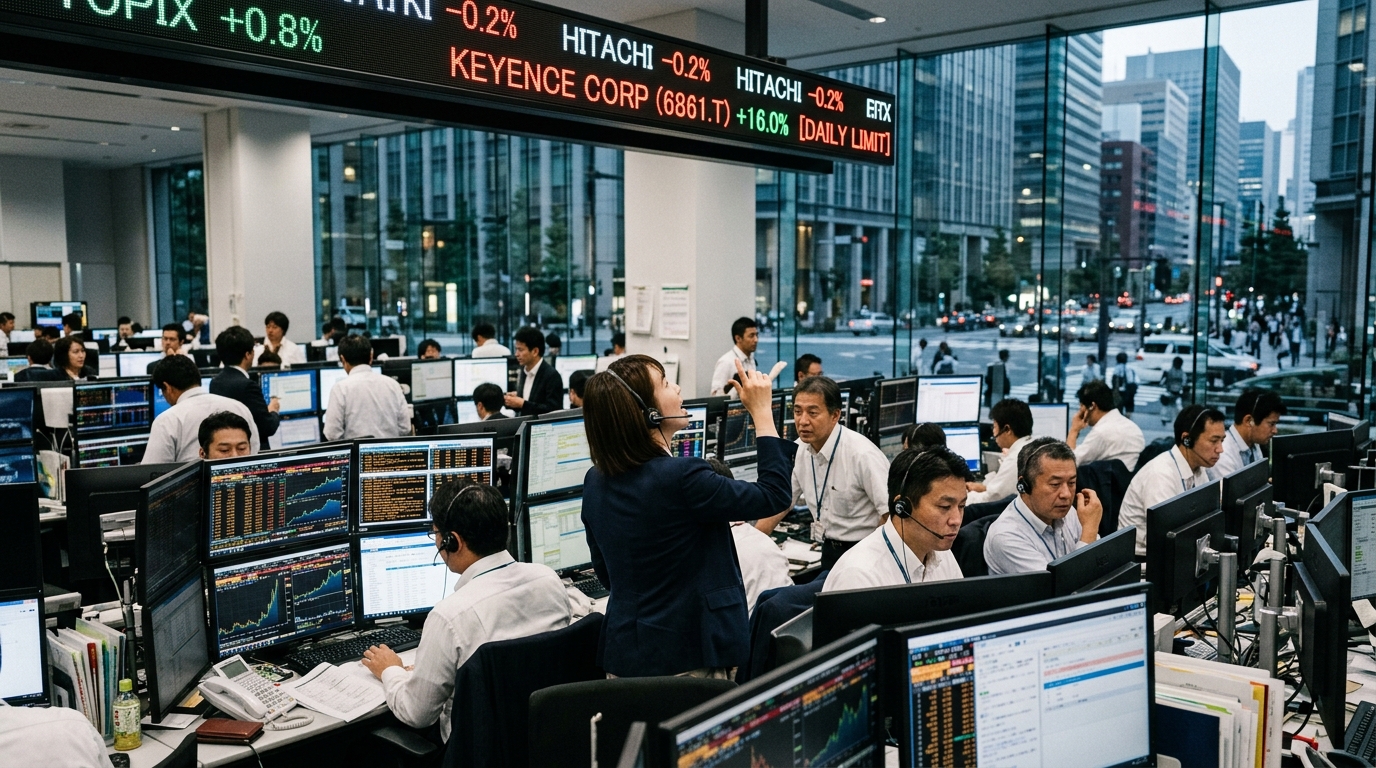
In a stunning display of market dominance that resonated through the Tokyo Stock Exchange, Keyence Corp., the Japanese titan of sensors and factory automation, saw its shares skyrocket by 16% on Monday, April 27, 2026. This surge, hitting the daily upper trading limit, followed quarterly earnings that significantly outpaced analyst forecasts, signaling a robust resurgence in global manufacturing technology demand.
Anatomy of a Financial Outperformance
Keyence is no ordinary corporation; it is the "silent giant" of global industry. Operating on a fabless business model and utilizing a direct-sales strategy, the company maintains operating margins that frequently exceed 50%—figures virtually unheard of in the hardware sector. The latest financial release revealed that operating income was bolstered by heightened demand in the semiconductor and electric vehicle (EV) battery sectors, alongside the rapid integration of AI-enhanced machine vision systems.
"Keyence has once again demonstrated that its ability to solve complex automation problems at the source translates directly into fiscal superiority," noted a lead analyst at Bloomberg Intelligence.
The 16% jump marks the stock's most significant single-day gain since August 2024, a period when markets were still navigating the aftershocks of pandemic-era supply chain disruptions. Today, in 2026, Keyence appears to be capitalizing on a global imperative: total automation. As labor costs climb and skilled workforce shortages become acute across the US, Europe, and China, Keyence's solutions have transitioned from luxury upgrades to operational necessities.
Technology and Strategy: The Secret Sauce
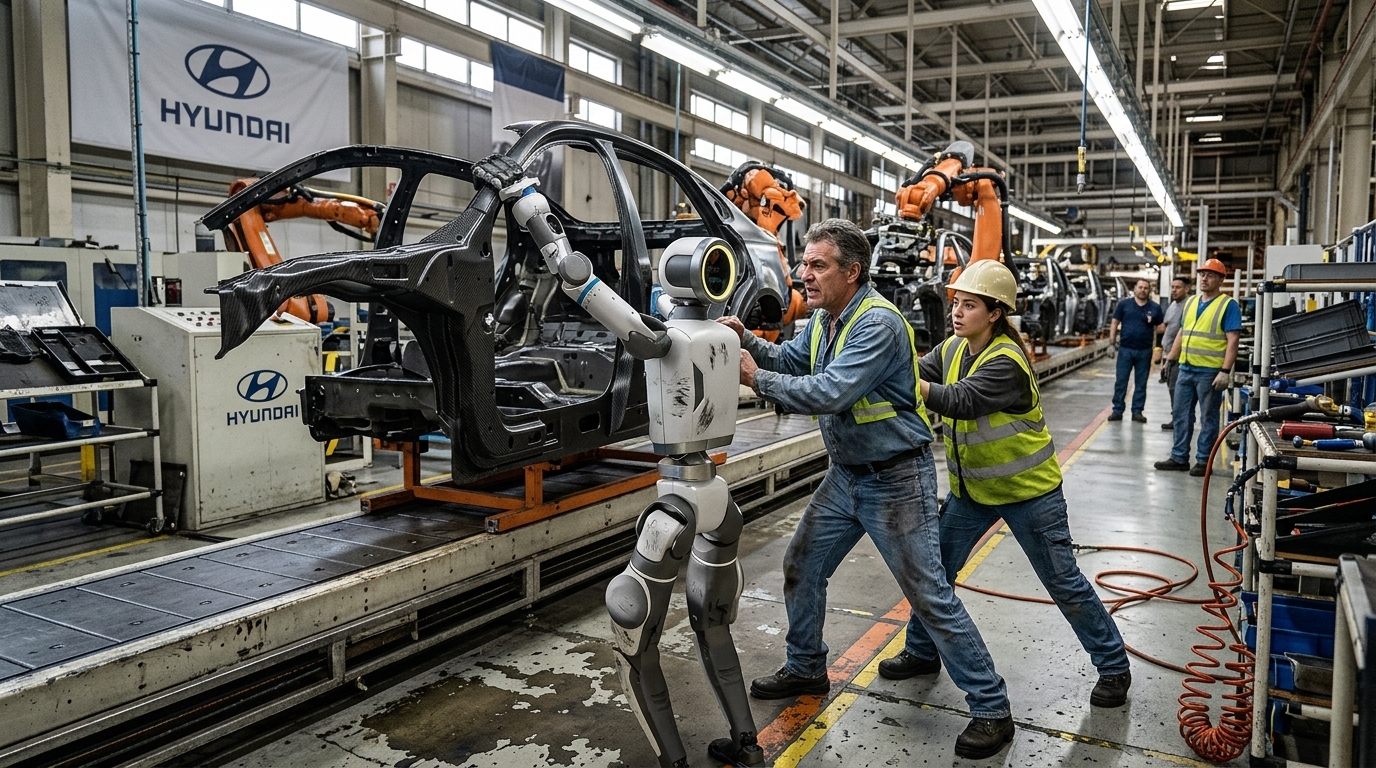
Beyond the spreadsheets, Keyence's success is rooted in its technological vanguard. Its sensors are not merely measuring devices; they are the "eyes and ears" of the modern smart factory. By embedding deep learning algorithms directly into the hardware, Keyence systems can detect defects on production lines with speed and precision that far surpass human capability.
- Next-Generation Automation: The shift toward Industry 5.0 requires sensors capable of real-time collaboration between humans and robotic systems.
- China Expansion: Despite geopolitical tensions, China's drive to upgrade its manufacturing base has provided a significant tailwind for Keyence.
- The Fabless Advantage: By maintaining low fixed assets, the company can pivot quickly and reinvest heavily into R&D, ensuring its products remain at the cutting edge.
The market reacted with fervor not just because of current profits, but due to the optimistic forward-looking guidance. Analysts suggest Keyence will continue to benefit from the "reshoring" trend in developed economies, where high-end automation is the only viable path to maintaining competitiveness against low-cost manufacturing hubs.
Implications for the Global Market
Keyence's surge serves as a barometer for the broader technology and capital goods sector. When companies invest in Keyence sensors, it indicates they are preparing for increased production capacity. This sends a bullish signal for the global economy, suggesting that the capital expenditure (CapEx) cycle is on an upward trajectory.
However, challenges remain. The company's heavy exposure to the semiconductor market means any downturn in that cyclical industry could impact Keyence's bottom line. Furthermore, competition from emerging Asian firms offering lower-cost, albeit less sophisticated, alternatives is intensifying. Nonetheless, Keyence's reputation for immediate technical support and bespoke solution engineering provides a moat that remains difficult for competitors to breach.
In conclusion, today's events at the Tokyo Stock Exchange were more than just a good day for a single stock. They represented a confirmation that the road to economic efficiency in 2026 is paved with intelligent automation. Keyence, with its uncanny ability to turn light and sound into data, and data into profit, remains the undisputed architect of this new industrial era.