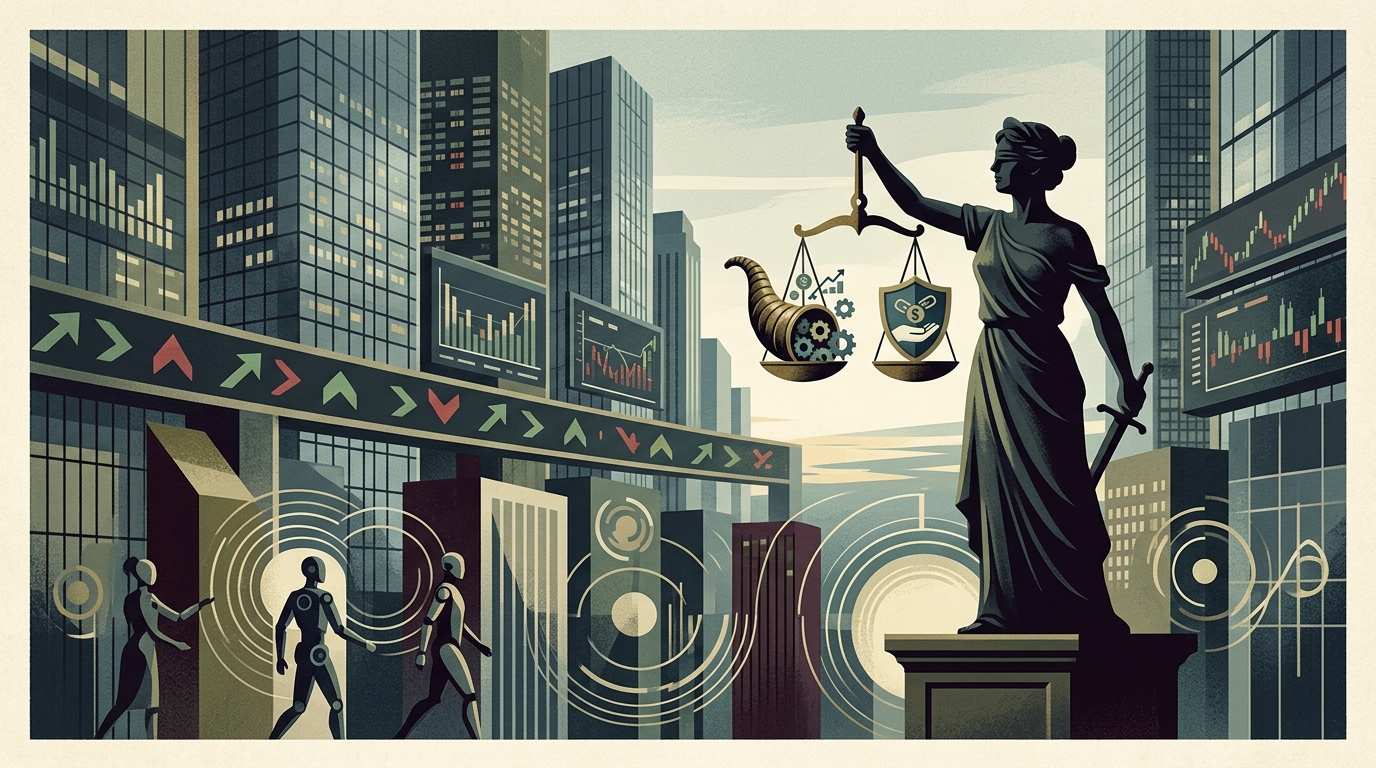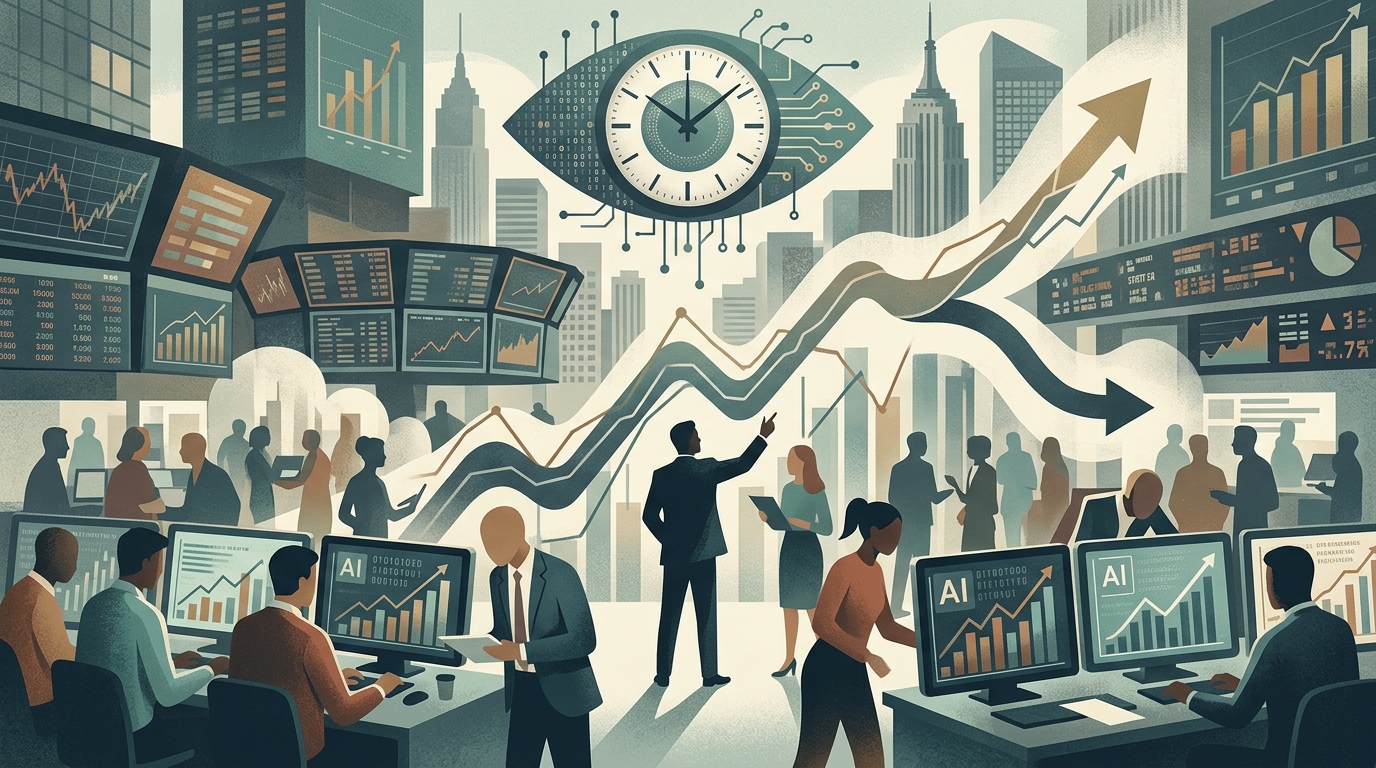
In an era where the world watches with bated breath as large language models and autonomous systems evolve at breakneck speed, Jeff Bezos, the man who reshaped global commerce through Amazon, offers a perspective that sounds like an economic paradox. While most analysts and workers fear "technological unemployment," Bezos argues that Artificial Intelligence (AI) will ultimately lead to a labor shortage. His position is not merely an optimistic prediction but a deep analysis of economic history and productivity dynamics.
The Productivity Trap and Surging Demand
Bezos's argument is rooted in a fundamental principle of capitalist economics: when technology makes a product or service more efficient, the cost of production drops. According to the law of demand, lower prices lead to an explosion in consumption. This phenomenon, known as the "Jevons Paradox," suggests that improving the efficiency with which a resource is used often leads to an increase in its total consumption rather than a decrease.
In the case of AI, Bezos estimates that the ability of machines to handle routine tasks will free up resources, allowing businesses to expand into areas currently considered economically unviable. "Every time we make something more efficient, we end up using more of it," he explained in a recent discussion. This means companies won't just fire their staff; they will seek new ways to leverage human creativity and judgment at a scale previously impossible.
From Replacement to Empowerment
Historical context offers valuable lessons. When electronic computers first appeared, there was widespread fear that accountants and secretaries would vanish. Instead, the service sector ballooned, creating millions of jobs that required skills in operating these new tools. Bezos views AI as the "ultimate power multiplier." In the world of 2026, AI does not replace the worker but transforms them into a manager of a fleet of digital assistants.
- Creative Economy: Reducing the cost of content production will lead to an explosion of new forms of entertainment and education.
- Personalized Care: In healthcare and education, AI will handle the bureaucracy, allowing humans to focus on empathy and mentorship.
- New Industries: Sectors like space mining or advanced biotechnology require human oversight that AI cannot fully substitute.
The Transition Challenge and Demographics
Despite Bezos's optimism, the transition will not be bloodless. The "labor shortage" he refers to primarily concerns a lack of skilled personnel capable of collaborating with AI. Furthermore, the global demographic decline—the aging populations in Europe, Japan, and China—bolsters his argument. As the working-age population shrinks, AI will not just be an option but a necessity to maintain living standards.
"The problem in the future won't be a lack of jobs, but a lack of people with the right skills to meet the needs of an economy moving at the speed of light," note labor market analysts.
In conclusion, Jeff Bezos invites us to look at the big picture. Instead of fearing the disappearance of work, we should perhaps be preparing for a world where human effort is the rarest and most precious resource. The challenge for governments and the educational system is to bridge the gap between yesterday's skills and tomorrow's demands, ensuring that the "shortage" does not turn into a social crisis.