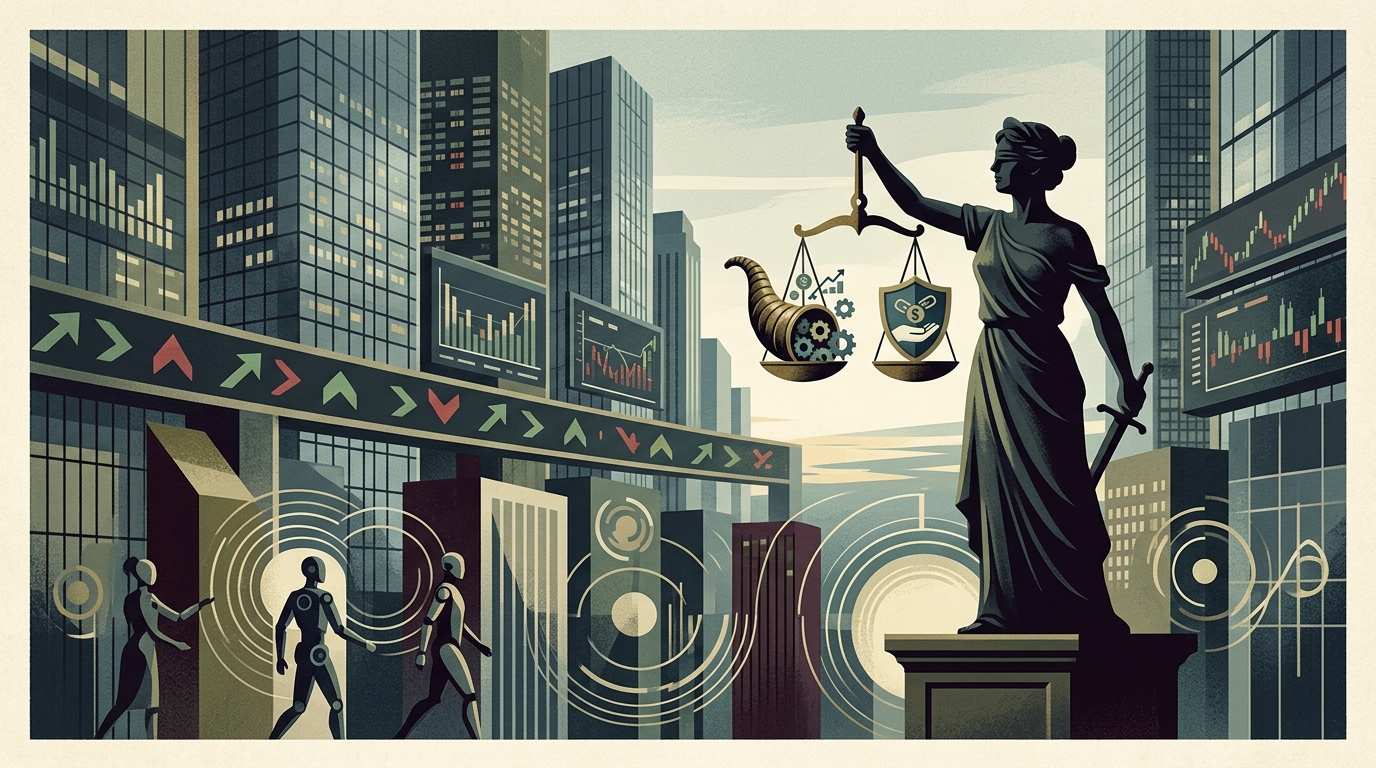
In the heart of Michigan, a region once defined by the rhythmic clang of machinery and the scent of molten steel, a new form of industrial revolution is taking root. The announcement by Hyperscale Data (formerly Ault Alliance) regarding the expansion of its data center campus in Dowagiac is not merely a local business update; it is a symptom of a global shift toward computational power as the new "oil" of the modern economy.
From Crypto Mining to Artificial Intelligence
The history of this specific site mirrors the evolution of the technology market itself. Hyperscale Data, under the leadership of Milton “Todd” Ault III, has spent the last few years aggressively pivoting its portfolio. Where Bitcoin mining rigs once dominated the floor space, high-density GPU clusters are now being installed, specifically designed to power Large Language Models (LLMs) and Generative AI applications. The company’s rebranding to “Hyperscale Data” last year was a clear manifesto: moving away from the volatility of cryptocurrency and toward the insatiable, steady demand for AI infrastructure.
The expansion in Dowagiac focuses on increasing power capacity and upgrading cooling systems. In the world of hyperscale data centers, electrical capacity is the ultimate currency. The ability of a facility to manage tens of megawatts of power while ensuring that overheated processors remain within operational limits is what separates major infrastructure players from minor ones.
The Economic Geography of Compute
Why Dowagiac? The selection of sites in Michigan is far from accidental. Hyperscale data centers require three fundamental elements: affordable and abundant power, access to high-speed fiber networks, and an increasingly favorable tax environment. Local authorities in Michigan have recognized that attracting such investments can provide a steady stream of property tax revenue, even if the number of direct jobs created does not rival that of a traditional automotive assembly plant.
- Tax Revenue: The expansion is expected to significantly bolster the local community's tax base, providing funding for schools and public infrastructure.
- Grid Integration: Collaboration with local utility providers is essential for upgrading the substations that will serve the massive power needs of the campus.
- Tech Ecosystem: The presence of such a high-tier facility can act as a magnet for other technology-adjacent firms looking for proximity to compute resources.
However, this expansion is not without its challenges. The high water consumption required for cooling and the immense strain on the electrical grid have sparked debates across many U.S. states. Critics often wonder if the community benefits outweigh the environmental footprint. Hyperscale Data maintains that its implementation of advanced liquid cooling technologies drastically reduces resource waste compared to legacy air-cooled systems.
The Strategic Importance of Mid-Tier Hubs
While giants like Microsoft and Google are constructing gigawatt-scale campuses, there is a burgeoning market for specialized providers like Hyperscale Data. These players offer flexibility to enterprises that need immediate access to compute power without the bureaucratic overhead or long-term lock-ins of the major cloud providers. The Dowagiac expansion is part of a broader strategy to create a network of hubs that can serve the "edge" of the network, reducing latency for time-critical AI applications.
"We aren't just building warehouses for servers. We are building the engines of the future economy," a company representative noted during a recent briefing on the expansion plans.
In conclusion, Hyperscale Data’s move in Michigan is a bet on the future of the American heartland. As artificial intelligence becomes an integral part of every industry—from healthcare to precision agriculture—the need for physical spaces to house this intelligence will only grow. This transformation is turning quiet towns like Dowagiac into critical nodes of the global digital fabric, proving that the digital age is as much about physical infrastructure as it is about code.