Humanity is in a race against time to limit global warming to 1.5°C. The solution seems obvious: abandoning fossil fuels in favor of renewable energy sources (RES) and electromobility. However, behind the 'clean' facade of solar panels, wind turbines, and lithium batteries lies a less luminous reality. The transition from a fuel-intensive energy system to a material-intensive one requires an unprecedented surge in the mining of critical minerals, which threatens to replicate the same models of exploitation we are trying to leave behind.
The Material Intensity of Clean Energy
According to the International Energy Agency (IEA), an electric car requires six times more minerals than a conventional internal combustion engine vehicle. An onshore wind plant requires nine times more mineral resources than a comparable gas-fired power plant. Lithium, cobalt, nickel, copper, and rare earths form the backbone of green technology. Demand for these materials is expected to quadruple by 2040 if we are to meet the goals of the Paris Agreement.
This 'hunger' for minerals is creating a new geopolitical chessboard. While oil is geographically dispersed, the processing of critical minerals is highly concentrated. China currently controls approximately 60-90% of the global processing for many of these elements. This creates a new form of energy dependence for Europe and the US, which are scrambling to diversify their supply chains through legislative initiatives like the EU's Critical Raw Materials Act.
The Social and Environmental Cost
The extraction of these materials often takes place in regions with loose regulatory frameworks and serious human rights issues. The Democratic Republic of Congo (DRC) produces over 70% of the world's cobalt. There, 'artisanal' mining—often by children—in hazardous conditions is a common but tragic reality. Workers are exposed to toxic metals without protection, while profits rarely reach local communities.
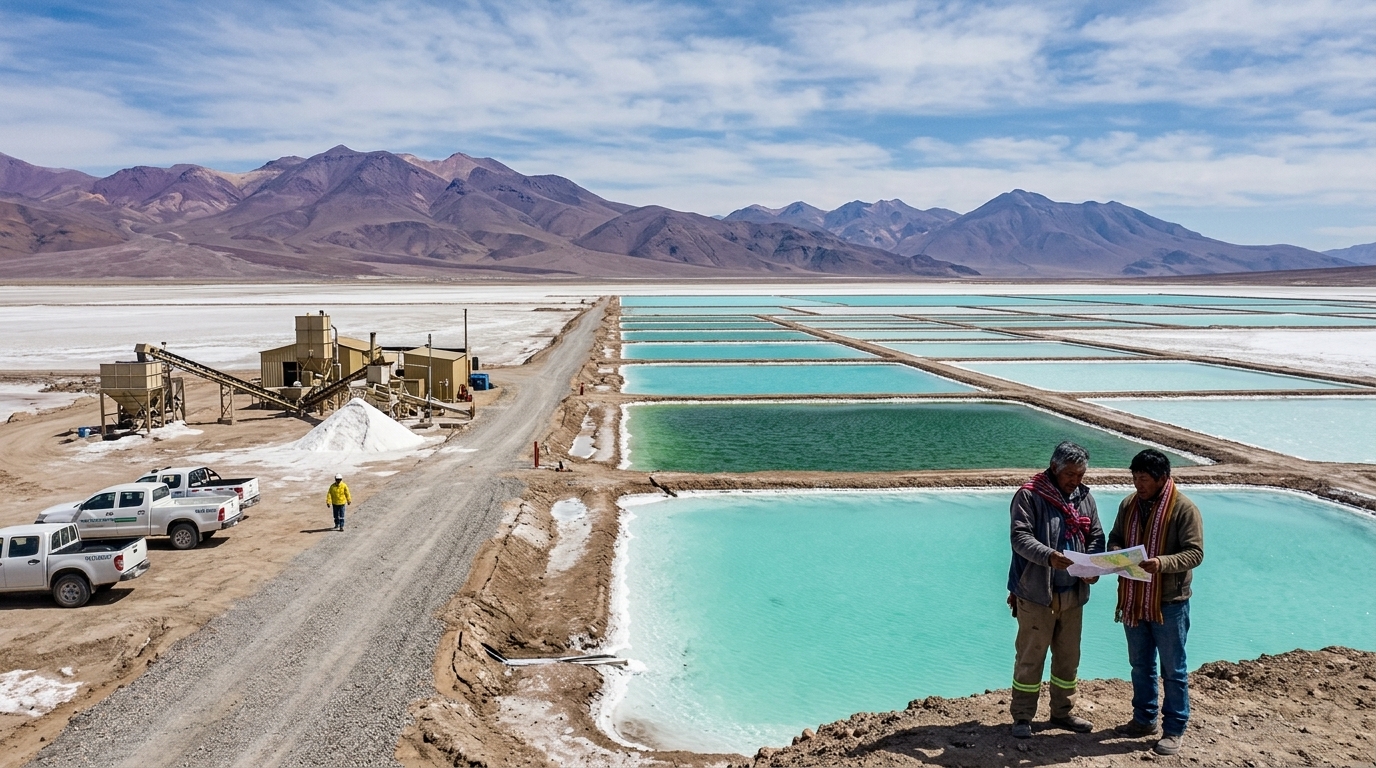
Beyond the humanitarian issue, the environmental footprint of mining itself is massive. Producing one ton of lithium requires approximately 2.2 million liters of water, causing severe water scarcity in regions like the 'Lithium Triangle' in the Andes (Chile, Argentina, Bolivia), threatening ecosystems and the livelihoods of indigenous populations. Furthermore, the processing of rare earths produces large quantities of toxic and radioactive waste, which, if mismanaged, contaminates groundwater for decades.
The Challenge of Circular Economy and Innovation
Is it possible to have a green transition without this dark cost? The answer lies in three pillars: recycling, technological innovation, and consumption reduction. Today, less than 10% of critical minerals are recycled globally. Creating a truly circular economy, where end-of-life batteries serve as the 'urban mines' of the future, is essential. Simultaneously, research into cobalt-free batteries or alternatives like sodium-ion batteries can reduce pressure on the most problematic resources.
"We cannot build a clean future on top of dirty supply chains. The ethical dimension of energy is now as important as the carbon footprint," industry analysts note.
In conclusion, the green transition is a one-way street for the planet's survival, but we must not turn a blind eye to its side effects. Political pressure for supply chain transparency, investment in domestic (and more regulated) mining sources in Europe, and the strengthening of ESG (Environmental, Social, and Governance) standards are the tools that will determine whether our future will be truly 'green' or just another shade of the same old exploitation.