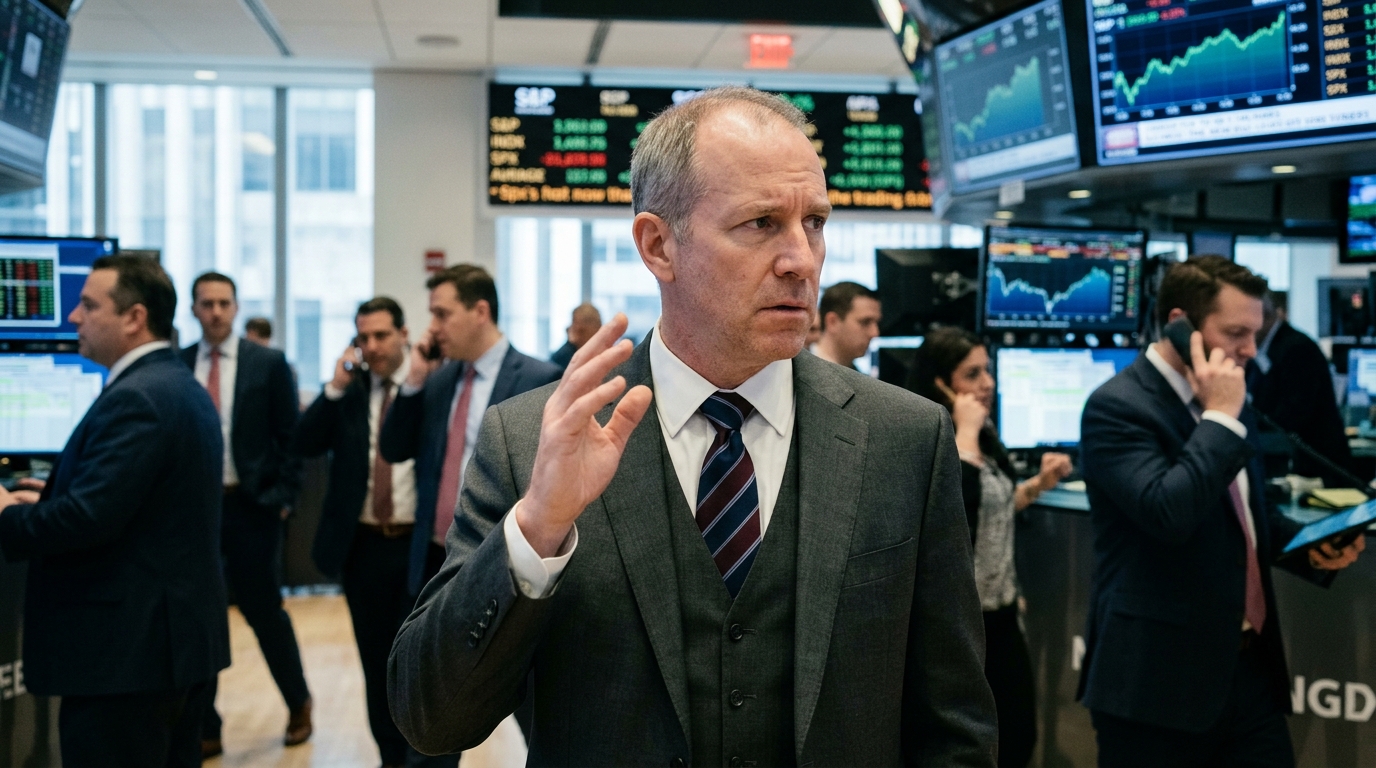
The global investment community appears to be shedding its cautious stance, pivoting aggressively toward equity funds, with Artificial Intelligence (AI) serving as the undeniable catalyst for this shift. According to recent data reported by Reuters, global equity mutual funds recorded significant weekly inflows as investors bet on the resilience of technological growth against the headwinds of elevated interest rates and geopolitical tensions.
AI Dominance in the Investment Narrative
This is no longer a simple speculative bubble; it is a structural reallocation of capital. Recent earnings reports from semiconductor giants and cloud infrastructure providers have confirmed that the demand for AI computing power remains insatiable. This sentiment has spread far beyond Silicon Valley, influencing stock exchanges from London to Tokyo. Investors are now looking not only at chipmakers but also at utilities providing the necessary power for data centers and software firms integrating generative AI into their service suites.
Capital flows show a clear preference for U.S. equities, which garnered the lion's share of inflows. However, there is also an interesting resurgence of interest in European and Asian markets as investors seek cheaper valuations in companies that indirectly benefit from the AI revolution. The "AI at any price" strategy seems to be giving way to a more sophisticated search for value within the technological ecosystem.
Macroeconomic Hurdles and Market Resilience
Despite the optimism, the landscape is not devoid of risks. The U.S. Federal Reserve and the European Central Bank continue to walk a tightrope, attempting to tame inflation without triggering a recession. Markets, however, seem to be pricing in the possibility that the productivity gains promised by AI could act as a long-term counterweight to inflationary pressures.
- Technological Premium: Tech companies possess robust balance sheets and high cash reserves, making them "safe havens" during periods of uncertainty.
- Liquidity Deployment: Significant capital that had been sitting on the sidelines in money market funds is starting to flow into equities, driven by the Fear Of Missing Out (FOMO) on the next major bull cycle.
- Portfolio Rebalancing: Institutional investors are increasing their weightings in the tech sector, concluding that being under-invested in AI now poses a greater risk than overvaluation.
"The market is no longer just buying the hope of AI, but the actual revenue generated by its infrastructure. This is the fundamental difference between the dot-com era and 2026," notes a senior Wall Street analyst.
The Geopolitical Dimension and Future Outlook
As the competition for AI supremacy becomes a matter of national security for major powers, capital flows are also being influenced by state subsidies and industrial policy. Investors are closely monitoring government actions in Europe and the U.S. regarding technology export restrictions, as these factors can either stall or accelerate inflows into specific geographic regions. The current weekly surge is a vote of confidence, but sustainability will depend on the ability of corporations to convert AI investments into durable profitability.
In conclusion, the return of investors to equity funds suggests a paradigm shift. Artificial Intelligence is no longer just a sector of the stock market; it is the axis around which global economic activity revolves. The coming months will reveal whether these inflows will stabilize or if the market will require a period of cooling before the next significant leap forward.