In the heart of northwest Germany, a family-owned prefabricated homebuilder faced a problem that threatened its very existence: a mountain of bureaucracy. Processing more than 250 invoices a week used to swallow the equivalent of four full working days for an employee. Today, thanks to the integration of specialized Artificial Intelligence (AI) tools, that same process is completed in less than two days. This small example serves as a beacon for a broader national strategy aimed at saving the German economy from a demographic cliff.
The Demographic Challenge and the AI Window
Germany, Europe’s economic powerhouse, is at a critical crossroads. With one of the oldest populations in the world, the country is expected to lose approximately 7 million workers by 2035 due to retirement. The shortage of skilled labor is no longer a future threat; it is a daily reality strangling growth. According to recent analyses, the widespread adoption of AI could add up to €300 billion to the German GDP by the end of the decade, offsetting the losses incurred by a shrinking workforce.
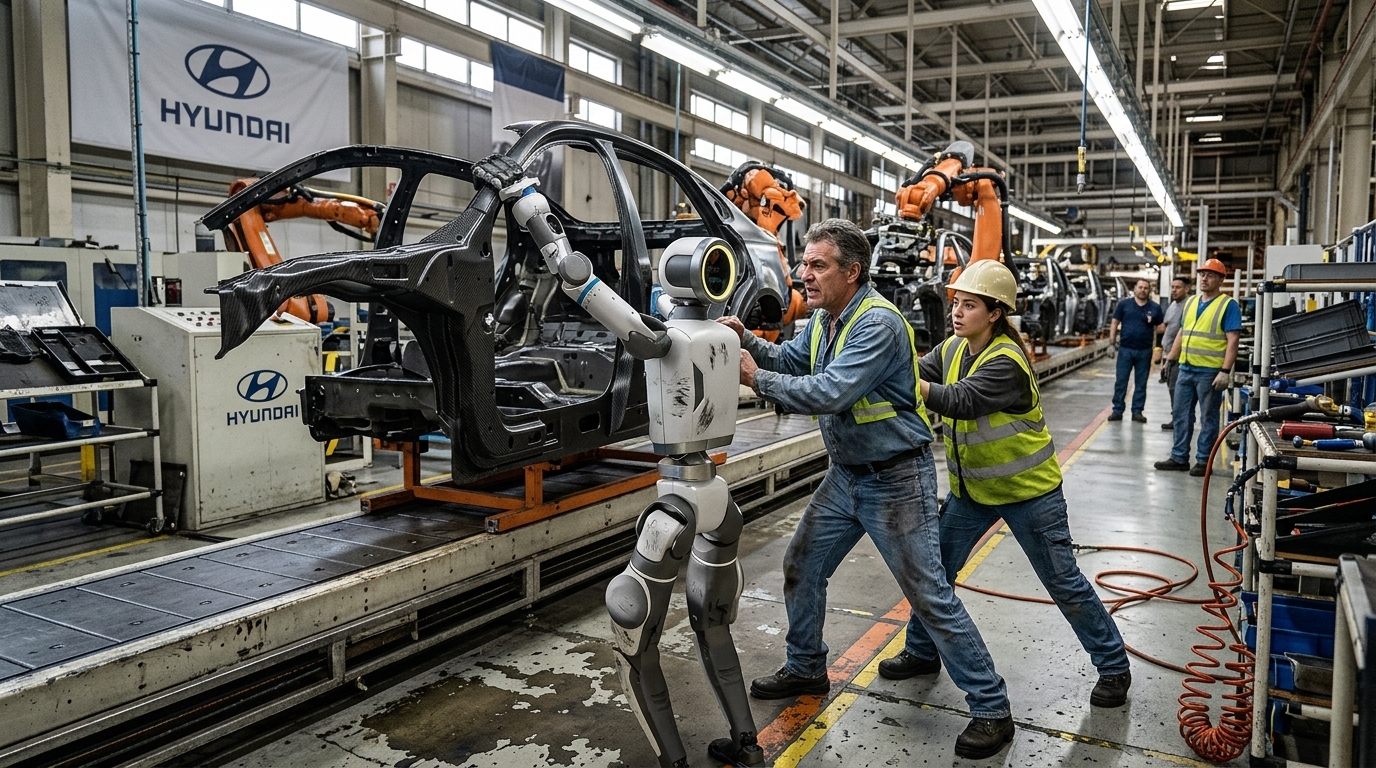
The shift toward automation is no longer just about robots on the assembly lines of Volkswagen or Siemens. The real revolution is taking place in the services sector and the administration of small and medium-sized enterprises (the Mittelstand), which form the backbone of the economy. The ability of Generative AI to analyze data, draft legal documents, and manage supply chains allows companies to produce more with fewer hands.
The Mittelstand in the Age of Digital Transformation
For decades, German SMEs were renowned for their craftsmanship but remained skeptical of digitalization, clinging to traditional methods and strict data protection rules. However, market pressure has changed the game. When a carpenter or an electrician cannot find an assistant for months, AI ceases to be a luxury and becomes a survival tool.
- Accounting Automation: Reduction of document processing time by 50-70%.
- Predictive Maintenance: Using algorithms to foresee industrial equipment failures, reducing downtime.
- Customer Service: Chatbots handling 80% of initial inquiries, freeing staff for complex tasks.
The German government, recognizing the gravity of the moment, has begun to ease some of the strict bureaucratic restrictions, encouraging investment in cloud technologies and AI hubs. The gamble is whether the traditional German "Ordnung" (order) can keep pace with the speed of Silicon Valley.
Barriers and Social Implications
Despite the optimism, the road is not without obstacles. Germany still lags in high-speed digital infrastructure in rural areas, while the culture of privacy (GDPR) often acts as a brake on training large language models. Furthermore, there is a fear of social alienation. Although the labor shortage means unemployment is not an immediate risk, the need for reskilling millions of workers over the age of 50 is a colossal challenge.
"It’s not about replacing people; it’s about empowering them to remain competitive in an aging world," says a leading analyst in Berlin.
In conclusion, the integration of AI in Germany is an experiment watched by all of Europe. If the continent's largest economy manages to translate technological innovation into productivity, it will have found the recipe for prosperity in an era of demographic contraction. The €300 billion is the prize, but the real victory will be preserving the country's social model through digital intelligence.