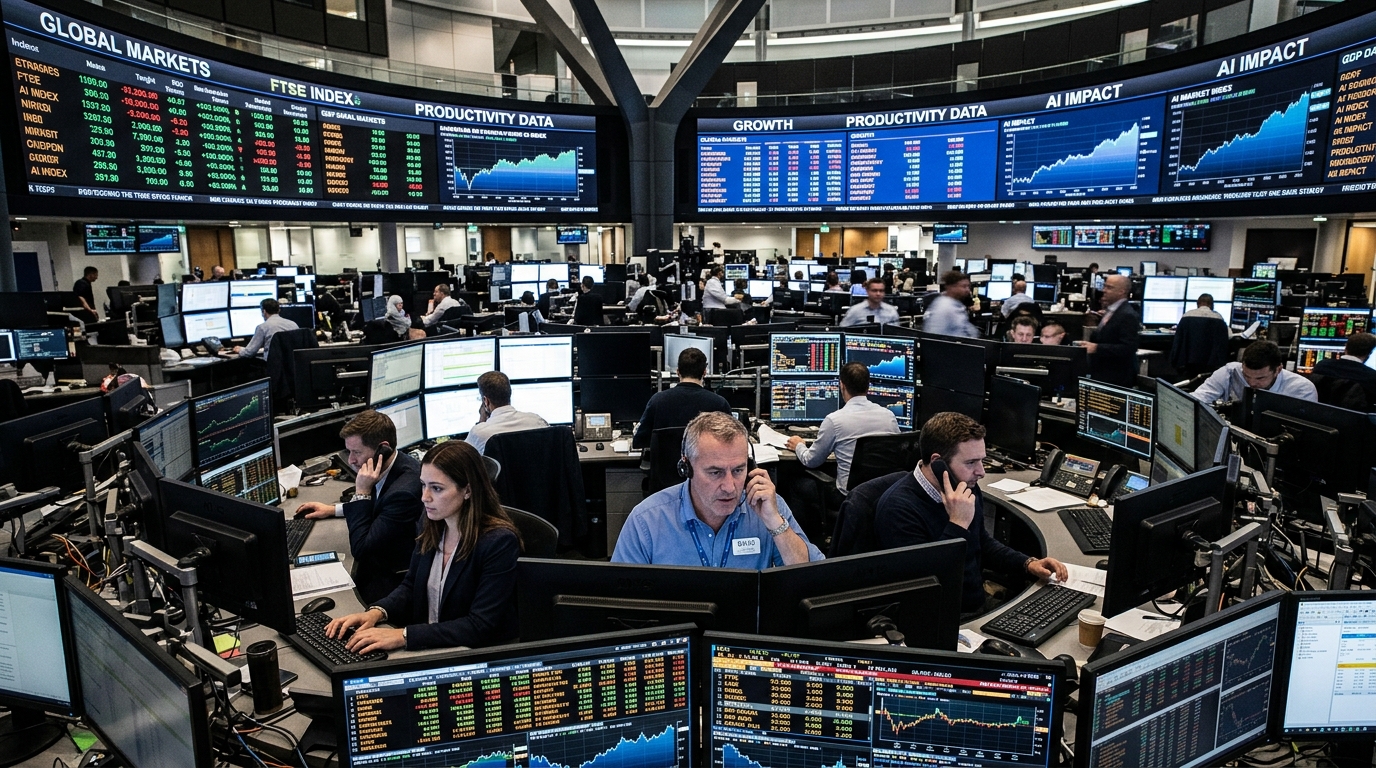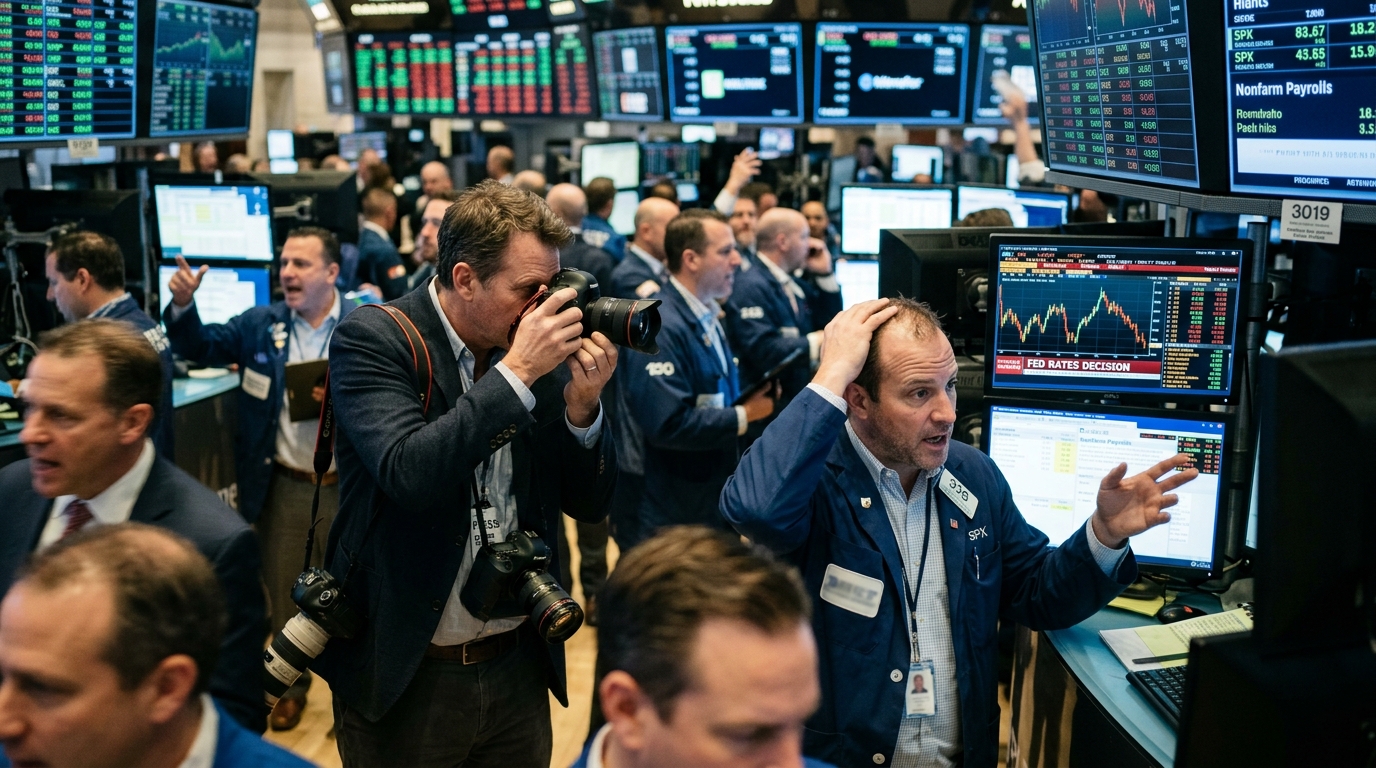
The economic atmosphere in early June 2026 is thick with the kind of uncertainty that has defined the post-pandemic era, with the Federal Reserve once again at the center of a global debate over monetary policy direction. On Bloomberg's 'Real Yield,' prominent market voices including JPMorgan Asset Management’s Kelsey Berro and Federated Hermes’ Deborah Cunningham dissected the complex landscape ahead of Friday’s release of the May non-farm payrolls. The question haunting Wall Street is no longer just when rates will fall, but whether the Fed will be forced to consider further hikes to suppress a stubborn inflation rate that refuses to settle at the 2% target.
The Labor Market Paradox and the Fed’s Dilemma
The US labor market has proven to be the toughest nut to crack for central bankers. Despite successive rate hikes in previous years, demand for labor remains robust, fueling wage growth and, consequently, consumer spending. Friday's data is awaited with bated breath, as a stronger-than-expected report could solidify the Fed’s resolve to keep rates 'higher for longer.' Kelsey Berro pointed out that the 'real yield' on bonds reflects this anxiety, with investors demanding higher protection against the risk of inflationary surprises.
Deborah Cunningham focused on liquidity management and how money market funds are adjusting to an environment where 'free money' is a relic of the past. The Fed’s strategy is no longer just about the numbers; it’s about market psychology. If hiring continues at a pace exceeding 200,000 jobs per month, the narrative of 'disinflation' risks collapsing, forcing Jerome Powell to adopt an even more hawkish stance—a scenario markets have not fully priced in.
The Surge of Private Credit and Emerging Risks
A particularly compelling segment of the discussion involved the private credit market. Jason Dillow of Man Group explained how constraints on traditional banking have pushed corporations toward alternative lending sources. While this provides flexibility, it also creates a shadow banking system that has not been tested under conditions of prolonged high interest rates. The 'real yield' in these investments is attractive, but it comes with liquidity risks that could manifest suddenly if the economy hits a sharp downturn.
Analysts at BNP Paribas note that credit spreads remain tight, suggesting a degree of investor complacency. However, the mounting pressure on debt-servicing costs for small and medium-sized enterprises is beginning to show cracks in the 'soft landing' narrative. The Fed is walking a tightrope: trying to anchor inflation without triggering a systemic credit event. The fragility of the corporate bond market remains a key concern for fixed-income managers who are wary of a sudden repricing of risk.
AI and Productivity: The Wild Card
Against the backdrop of these macroeconomic shifts, the impact of artificial intelligence on productivity is beginning to surface in statistical data. There is a growing belief that the AI boom is allowing companies to maintain profitability despite high labor costs. If this productivity surge is real, the Fed might have more breathing room than currently perceived. Higher productivity could allow for wage growth without stoking the inflationary fires, leading to a 'Goldilocks' scenario where the economy is neither too hot nor too cold.
However, this transition is long-term, and the Fed must deal with the 'here and now.' Tomorrow’s payroll announcement will be the ultimate arbiter. If the numbers show an unexpected dip, hopes for a September rate cut will be reignited. But if May proves to be another 'hot' month for employment, then the talk of rate hikes—something once thought unthinkable—will return to the table with a vengeance. For investors, the mantra remains: watch the real yield, for it tells the truth that the headlines often obscure.