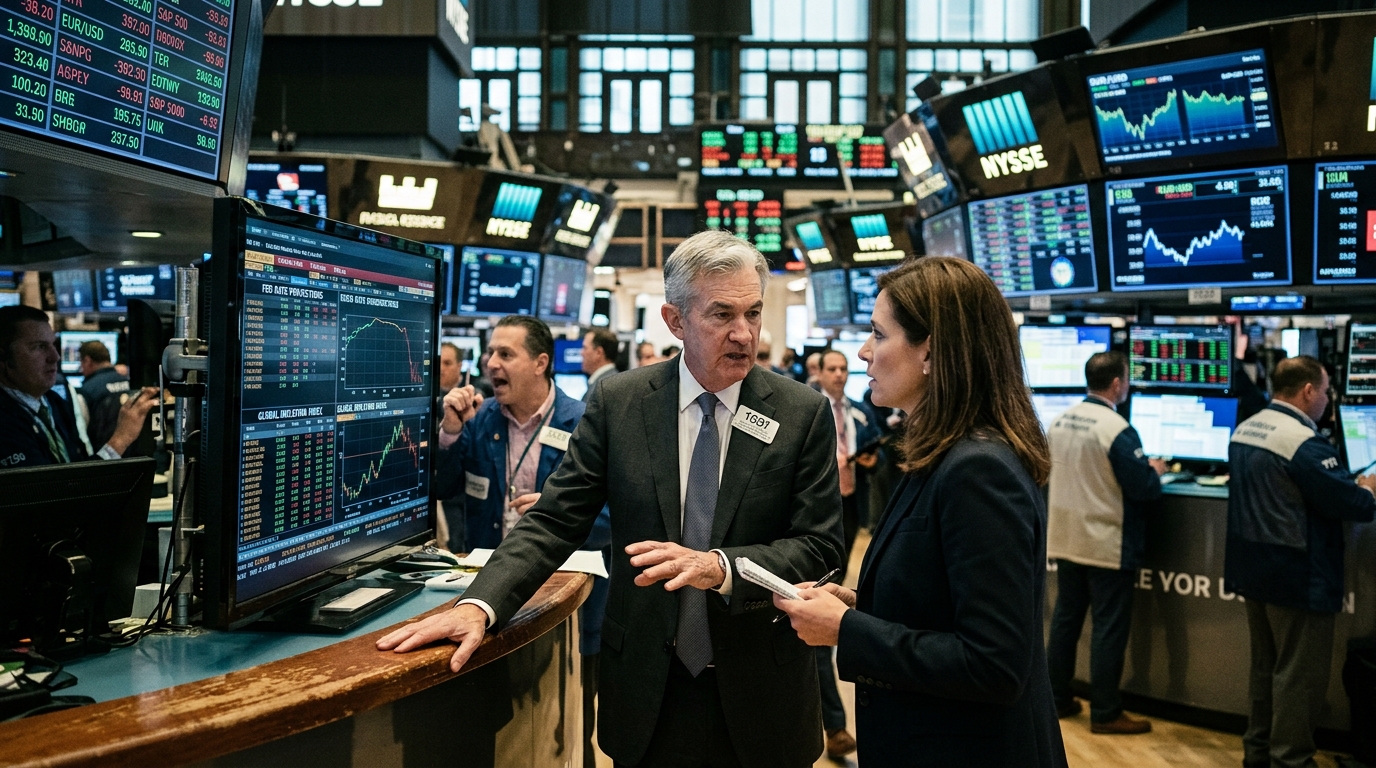
In the hallowed halls of the Eccles Building in Washington, where the Federal Reserve dictates the economic pulse of the globe, a new and unpredictable force is causing significant friction: Artificial Intelligence. While the discourse in 2024 and 2025 centered on the post-pandemic inflation cooldown, today, in May 2026, the focus has shifted. The disagreement among Fed officials is no longer merely about 'when' to pivot interest rates, but about 'how' AI is fundamentally altering the structural integrity of the U.S. economy.
The Productivity Paradox and the Ghost of the 1990s
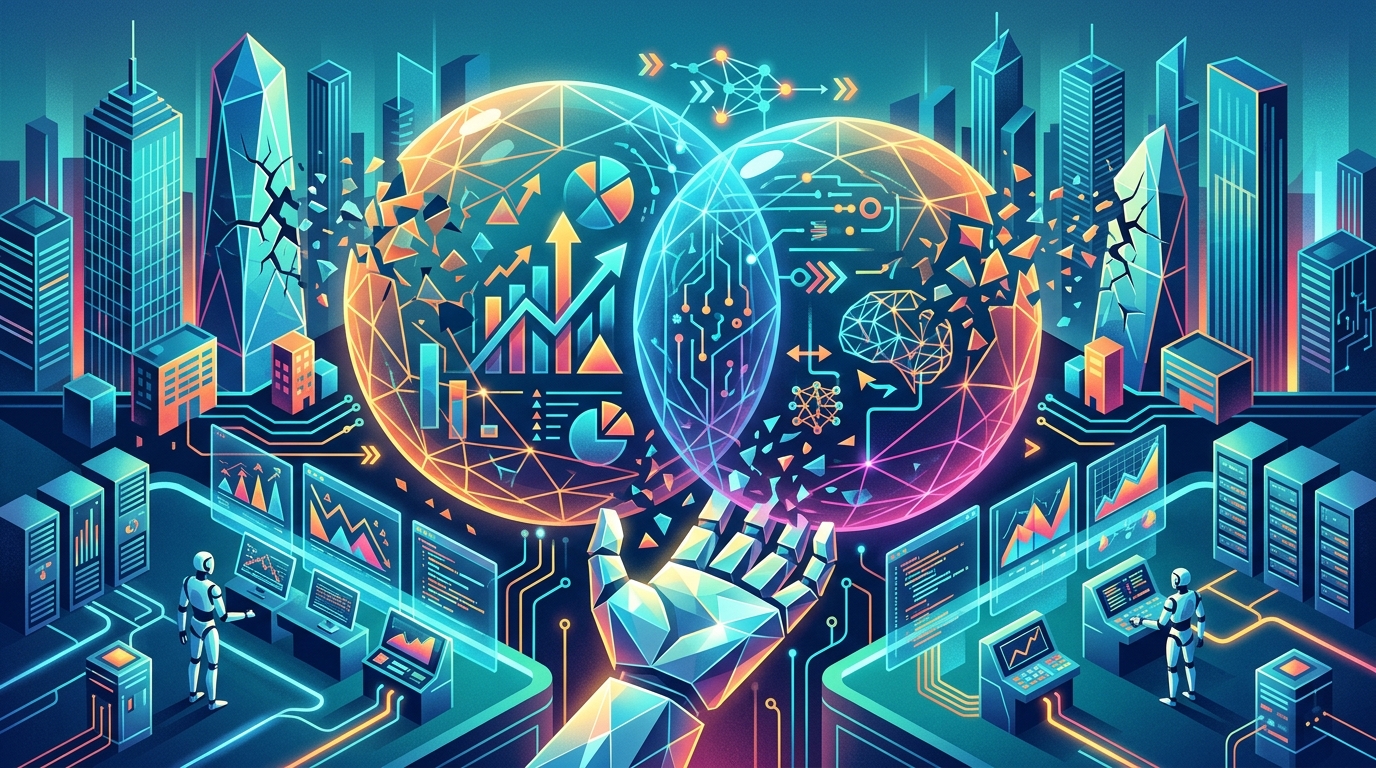
The primary line of contention lies in productivity. On one side, the 'techno-optimists' within the FOMC (Federal Open Market Committee) argue that the mass adoption of Generative AI has already begun to bear fruit, enhancing worker efficiency across sectors ranging from software engineering to legal services. If productivity increases significantly, the economy can grow faster without triggering inflation. This scenario would allow the Fed to maintain interest rates at levels lower than previously anticipated.
However, the skeptics point to the famous 'Solow Paradox' of the 1980s: 'You can see the computer age everywhere but in the productivity statistics.' They argue that AI requires massive capital and energy investments, which in the short term may be inflationary. The demand for specialized chips, data centers, and electricity is driving prices upward long before the efficiency gains can manifest in the broader economy.
The Neutral Rate (r-star) in a New Orbit
Perhaps the most critical point of friction is the so-called 'r-star' or neutral interest rate—the rate that neither stimulates nor restricts the economy. If AI permanently boosts the economy's potential growth rate, then the neutral rate must necessarily rise. This implies that the era of 'cheap money' and near-zero interest rates is a relic of the past.
"We are at a juncture where old macroeconomics textbooks feel like ancient scrolls," says a senior Fed official speaking on the condition of anonymity. "If AI shifts the supply curve, then our monetary policy framework must be reinvented from the ground up."
This shift has profound implications for bond markets and mortgages. If the Fed concludes that AI makes the economy inherently 'hotter,' interest rates will remain higher for much longer than Wall Street analysts had previously projected.
Labor Markets and the Phillips Curve
Another area of intense debate is the impact on employment. The traditional relationship between unemployment and inflation (the Phillips Curve) is being tested. If AI begins to displace jobs on a large scale, the Fed might face a structural rise in unemployment that interest rate adjustments cannot fix. Conversely, if AI creates new demands for highly skilled labor, persistent labor shortages could keep wage pressures high, forcing the Fed to maintain a restrictive stance.
The current disagreement within the Fed is not merely an academic exercise. It is a battle for narrative control in an era where technology moves faster than bureaucracy. The decisions made in the coming months will determine whether AI leads to a new 'Golden Age' of low inflation and high growth or a period of volatility and elevated borrowing costs.