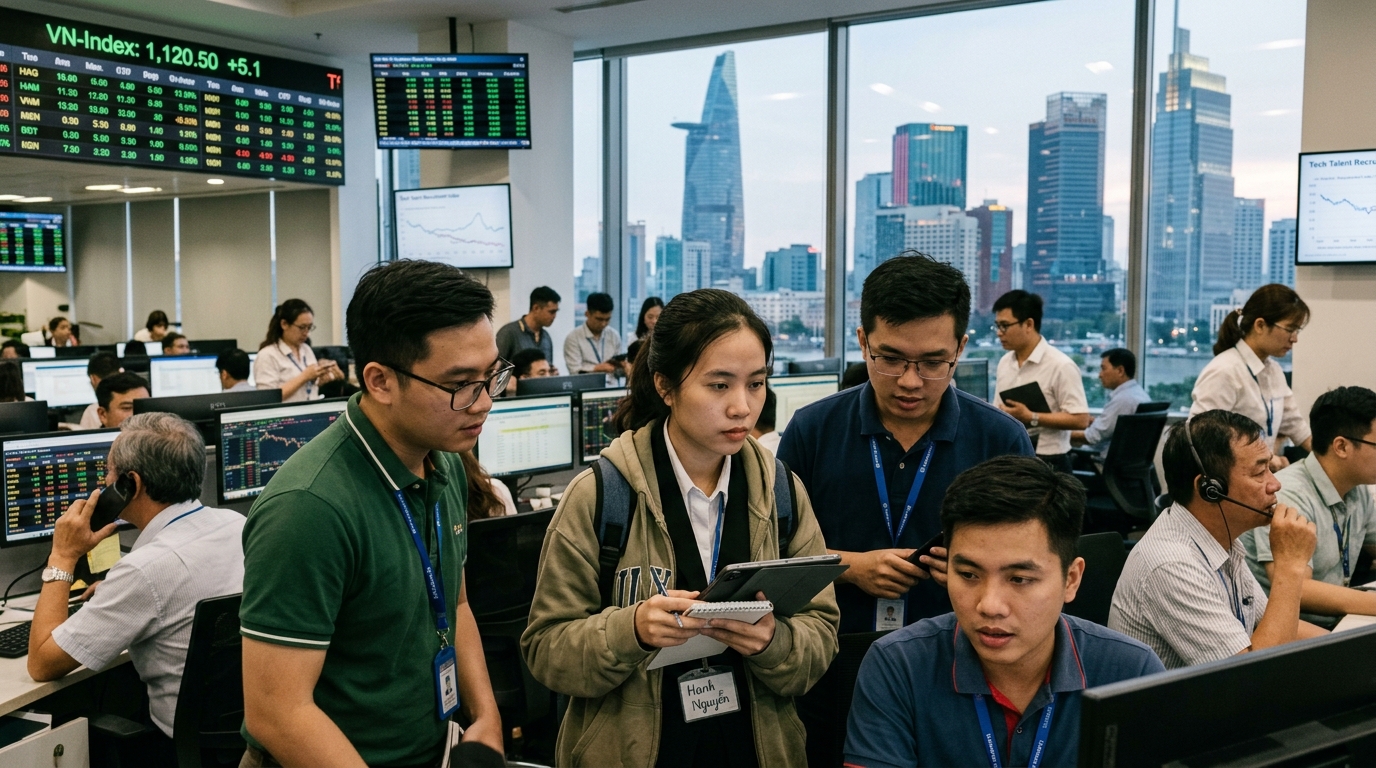
In an era where technological dominance translates directly into geopolitical power, the traditional cycle of "study-degree-job search" appears to be fracturing. In Vietnam, one of Southeast Asia's fastest-growing economies, engineering students are experiencing an unprecedented reality: corporations are knocking on their doors as early as their third year of study, offering contracts and career paths before they even complete their academic requirements. This phenomenon is not merely a local idiosyncrasy but the prelude to a global trend reshaping the foundations of education and corporate strategy.
The Strategy of Early Recruitment
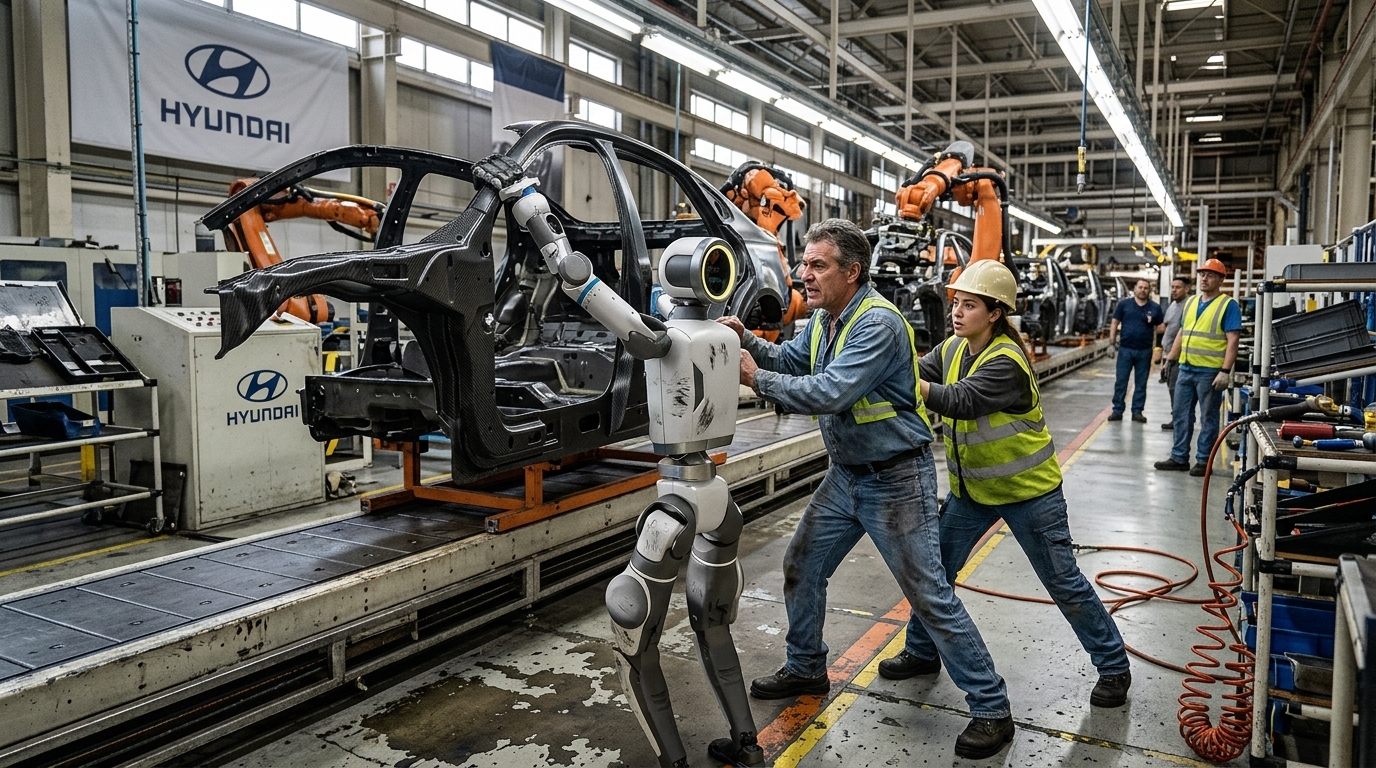
The desperate need for specialized personnel in IT, electronic engineering, and artificial intelligence has fueled a fierce "war for talent." In Vietnam, tech giants like Samsung, Intel, and the domestic powerhouse FPT are investing heavily in university partnership programs, offering scholarships and internships that lead directly to full-time employment. Third-year students are now considered "mature" enough to integrate into production processes, as the skills required by the market evolve faster than university curricula can keep up.
This trend reflects the "China Plus One" strategy, where multinationals relocate production from China to neighboring countries to mitigate risk and reduce costs. Vietnam, with its youthful population and emphasis on STEM sciences, has emerged as an ideal destination. However, demand far outstrips supply, forcing employers to secure the workforce as early as possible to maintain a competitive edge.
The Impact of Artificial Intelligence
As of 2026, Artificial Intelligence is no longer a futuristic promise but the core tool of every engineer. Students possessing skills in AI programming, data analytics, and semiconductor design are in high demand. Companies no longer seek only theoretical knowledge but the ability to adapt to hybrid work environments where humans collaborate closely with algorithms. Early recruitment allows companies to "mold" their future employees using their own proprietary AI tools, ensuring they are fully operational upon graduation.
"We aren't just hiring graduates; we are investing in minds that can learn how to learn in an environment that changes every six months," says a tech executive in Hanoi.
Challenges and Academic Dilemmas
Despite the obvious financial benefits for students, this trend raises serious questions. The pressure of working while studying can lead to academic burnout or the neglect of fundamental research in favor of immediate practical application. Universities risk being transformed into "employee factories" for specific corporations, losing their broader educational role. Furthermore, there is a concern that students are signing contracts that may not reflect their true market value two or three years down the line, as salary scales in the tech sector rise exponentially.
The Future of Engineering Education
The Vietnamese case serves as a mirror for what is likely to occur in Europe and the United States, albeit at different speeds. The integration of work within education seems to be the new normal. To survive, educational institutions must overhaul their structures, offering more flexible programs that allow students to combine theory with professional experience without sacrificing depth of knowledge. The 2026 labor market waits for no one to graduate; a career begins the moment someone proves they can solve a problem.
- Increased demand for semiconductor and AI engineers.
- Tight collaboration between academia and industry.
- Risk of devaluing academic theory for practical gain.
- Financial independence for youth at an earlier age.