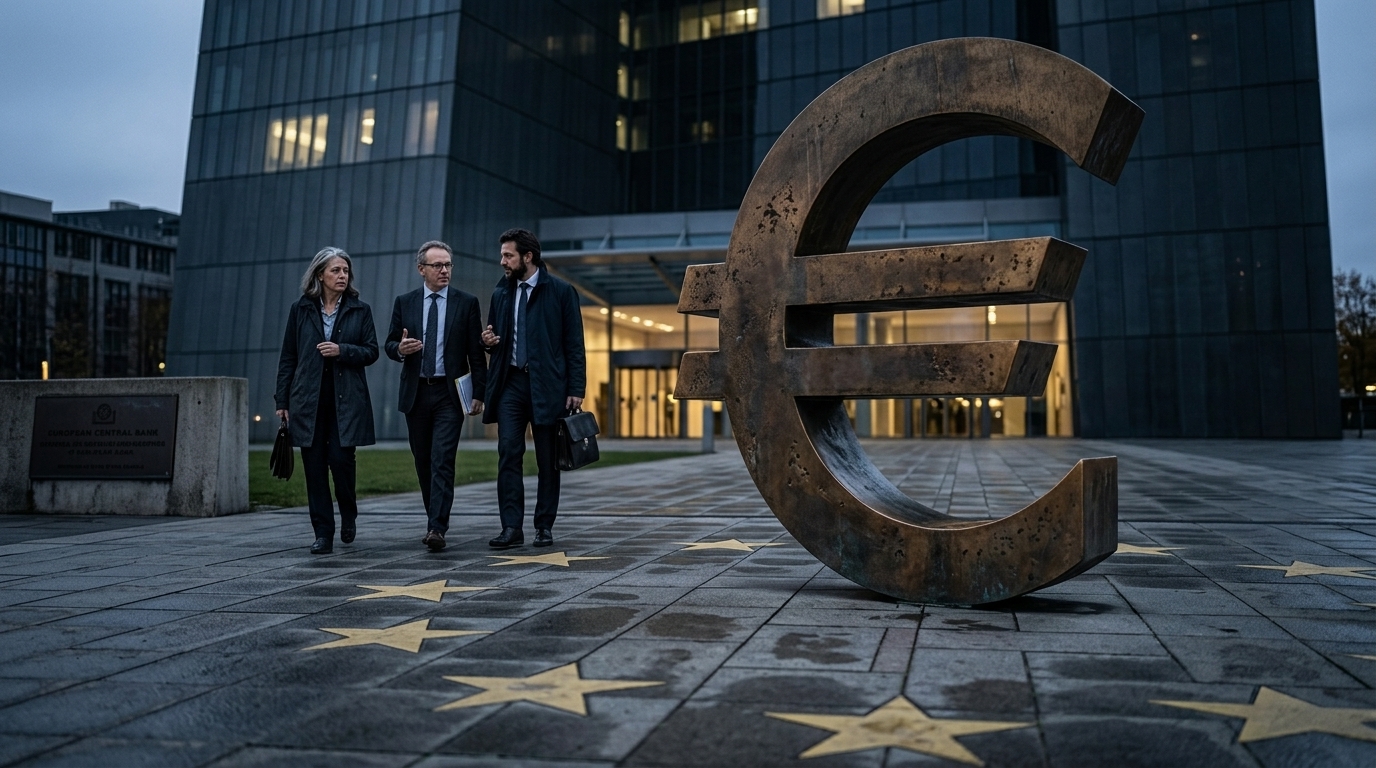
The history of the European Central Bank (ECB) is often a chronicle of delayed reactions and unfortunate timing. As we find ourselves in mid-2026, Frankfurt is once again in the crosshairs of analysts and markets. The question is no longer whether inflation is transitory—that debate ended long ago—but whether the cure prescribed by Christine Lagarde and the Governing Council is ultimately more dangerous than the disease itself.
Markets are expressing profound fears that the ECB is repeating the errors of 2008 and 2011, when premature rate hikes under Jean-Claude Trichet plunged the Eurozone into a debt crisis that nearly dismantled the common currency. Today, the circumstances differ, but the risk of a "manufactured" recession is more palpable than ever.
The Inflation Paradox and the Interest Rate Trap
Inflation in the Eurozone is not a one-dimensional phenomenon. While inflation in the US is often driven by excess demand and fiscal stimulus packages, in Europe, it remains largely a supply-side problem. Energy costs, geopolitical volatility, and the sluggish adaptation of supply chains in the post-pandemic and post-war era are the primary culprits.
When the ECB raises interest rates, it aims to dampen demand. However, increasing borrowing costs cannot lower the price of natural gas or accelerate the transition to renewable energy sources. On the contrary, it raises operating costs for businesses and reduces the disposable income of households already squeezed by the cost-of-living crisis. This creates a vicious cycle: businesses slash investments, consumers curb spending, and the economy slides into stagnation.
The North-South Divide and Fragmentation Risk
One of the ECB's greatest challenges is crafting a single policy for 20 diverse economies. What acts as "medicine" for Germany can be "poison" for Greece or Italy. The German economy, traditionally inflation-averse, pushes for even tighter policy. Yet, for Southern nations with high public debt, rising rates mean higher debt-servicing costs and the risk of widening spreads.
- Fiscal Discipline: The return of Stability and Growth Pact rules limits the ability of governments to support their economies.
- Banking Sector: High rates boost bank margins in the short term but increase the risk of a new generation of non-performing loans (NPLs).
- Investment Gap: Europe requires billions for the green and digital transition, but expensive capital stalls these critical projects.
"Monetary policy is a blunt tool. It can break inflation, but it often breaks the economy in the process," a senior analyst at Goldman Sachs recently noted.
AI as an Unexpected Ally or Threat?
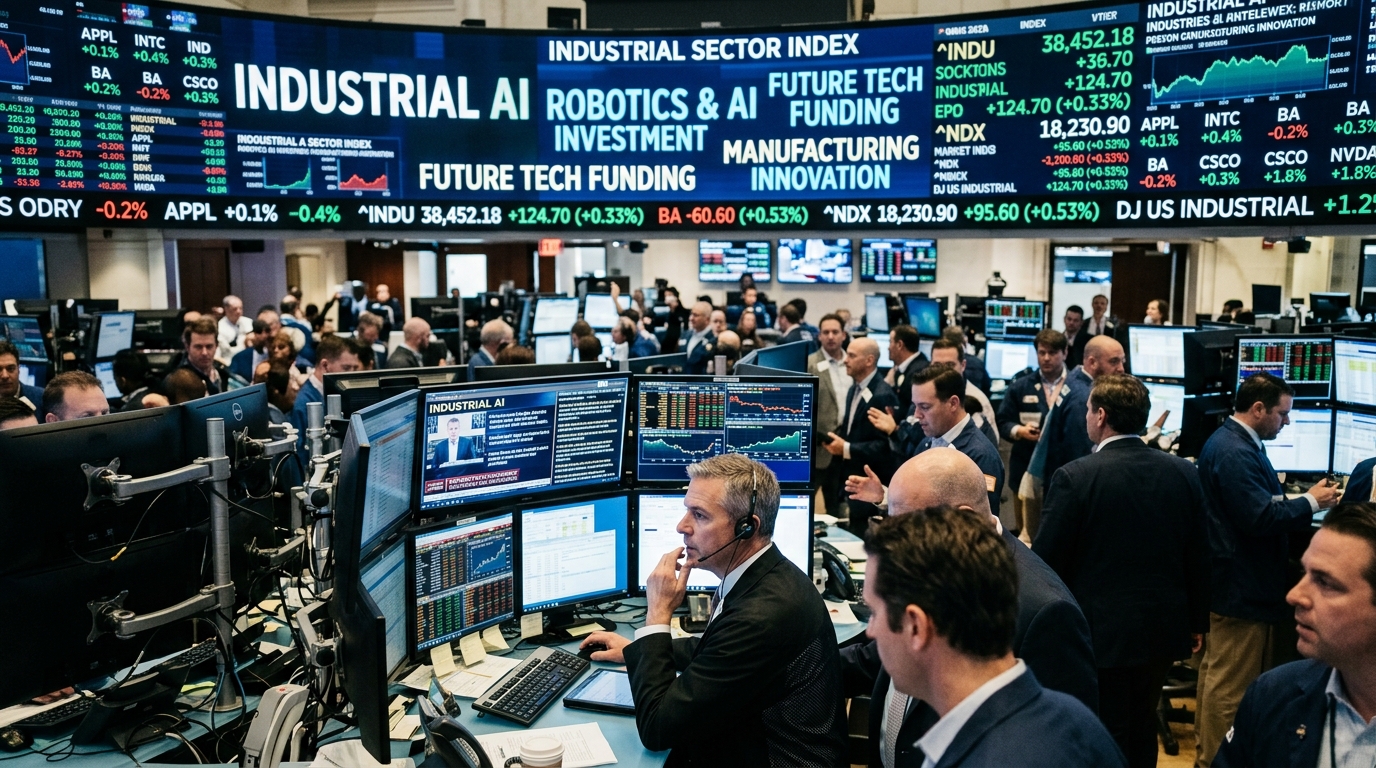
In the context of 2026, we cannot ignore the role of Artificial Intelligence (AI). The widespread adoption of AI has begun to deliver significant productivity gains, which are inherently deflationary. If the ECB fails to account for this structural shift, it risks over-tightening, ignoring that technology is already doing part of its job.
However, the transition to AI requires capital. If interest rates remain at prohibitive levels, European companies will lag behind in global competition against American and Chinese giants. The ECB is thus called to walk a tightrope: protecting the value of the Euro without undermining the future of European industry.
Conclusion: The Need for a New Paradigm
The obsession with the 2% inflation target in a radically changing world may be the greatest error of our time. Europe needs an ECB that functions not just as a "guardian" of prices, but as a supporter of stability and growth. If Frankfurt persists in a dogmatic approach, the looming recession will not just be a statistical figure, but a social crisis that will test the resilience of the European project.