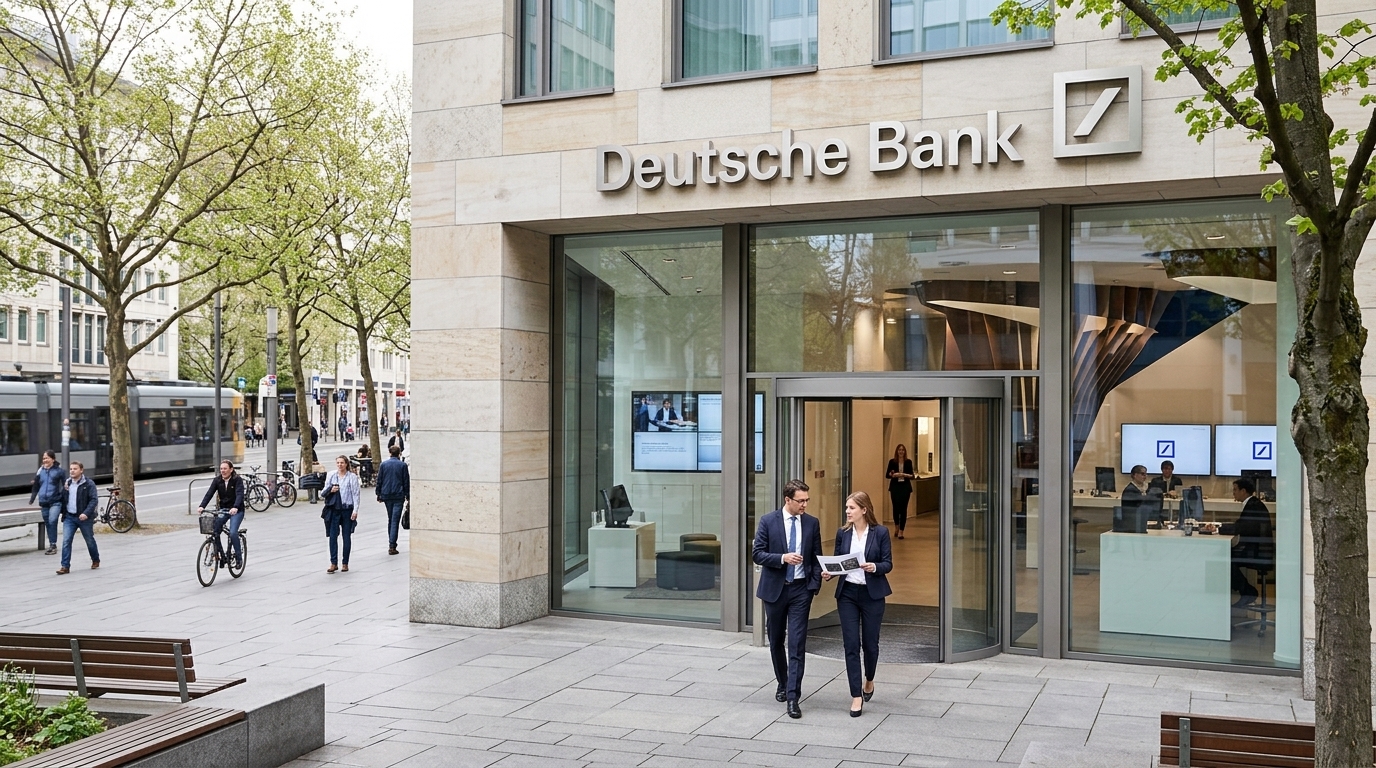
Deutsche Bank, Germany's largest financial institution, reported Q1 2026 earnings today that significantly outpaced market consensus. With a net profit of €2.2 billion, the bank improved upon its €2 billion performance from the same period last year, signaling resilience amidst a complex European economic landscape. This surge is primarily attributed to a stellar performance in investment banking and rigorous cost management, bolstered by the deep integration of Artificial Intelligence across its operational framework.
Investment Banking: The Engine of Growth
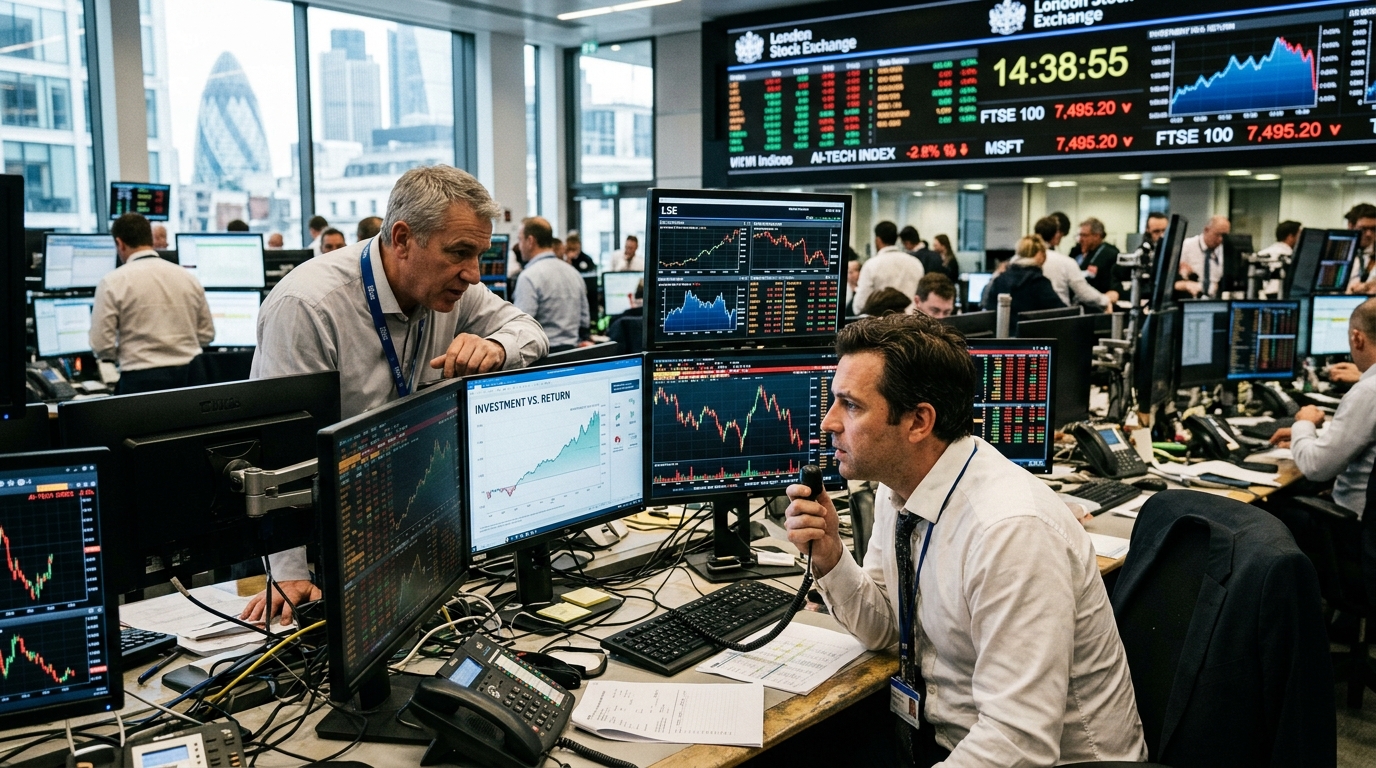
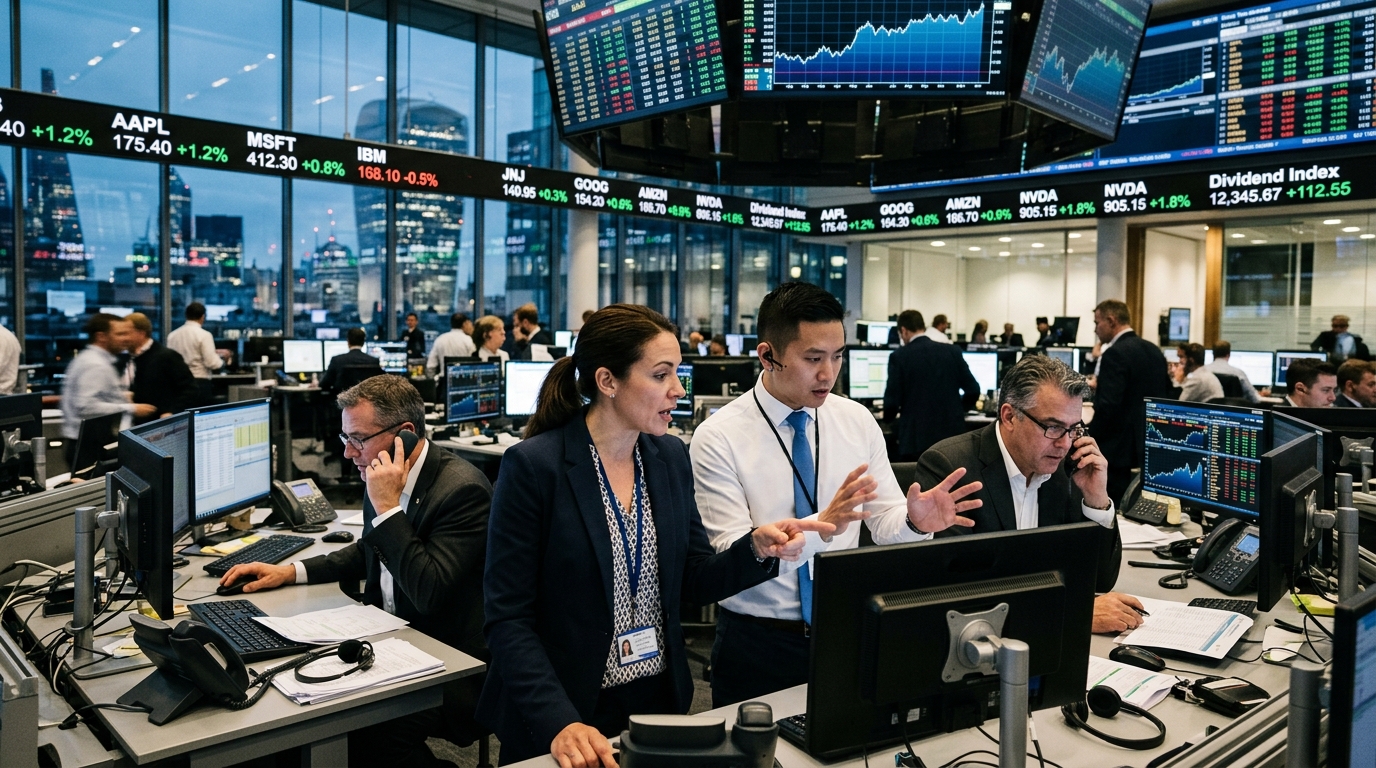
Despite global market volatility, Deutsche Bank’s Investment Banking division delivered revenues that surprised even the most optimistic analysts. Fixed income and currency trading remained robust, while a resurgence in Mergers and Acquisitions (M&A) activities in early 2026 provided a significant boost in advisory fees. CEO Christian Sewing described the bank as a "global player with European roots," now fully capable of going toe-to-toe with Wall Street’s giants.
Crucially, the bank maintained its cost-to-income ratio below 65%, a target once deemed overly ambitious. This efficiency was not accidental; over the past two years, Deutsche Bank has funneled more than €1.5 billion into digital transformation. By streamlining bureaucratic structures and automating complex compliance tasks, the bank has managed to grow its bottom line without a proportional increase in headcount.
The AI Revolution and Operational Excellence
2026 marks a watershed year for the bank’s technological evolution. According to the quarterly report, the deployment of Generative AI in credit risk assessment and Wealth Management client services allowed the bank to reduce operating expenses by 4% year-on-year. Algorithms now handle initial Anti-Money Laundering (AML) screenings, reducing human error and allowing analysts to focus on high-stakes investigative work.
"Our profitability is not merely a byproduct of the interest rate environment, but a result of a structural shift in how we conduct business," Sewing stated during the investor call.
This technological edge enables Deutsche Bank to offer hyper-personalized products to its corporate clients, strengthening the Corporate Bank—the traditional backbone of its revenue stream. Predictive analytics for cash flow management have made the bank an indispensable partner for Germany’s export-driven Mittelstand companies.
Macroeconomic Headwinds and Risks
While the figures are impressive, the horizon is not entirely clear. The German economy continues to struggle with stagnant growth, putting pressure on retail banking loan portfolios. Provisions for credit losses rose slightly to €450 million, reflecting the difficulties faced by manufacturing sectors grappling with energy costs and geopolitical shifts.
Furthermore, the European Central Bank (ECB) has signaled a shift toward monetary easing. As interest rates begin their gradual descent, the bank’s Net Interest Margin (NIM) is expected to face compression in the latter half of the year. Deutsche Bank must now pivot toward increasing fee-based income and further cost-cutting to offset this inevitable decline. Analysts remain watchful of whether the bank can sustain this momentum if the German domestic slowdown intensifies.
Conclusion: A New Era for Frankfurt
The Q1 2026 results confirm that Deutsche Bank has definitively moved past the identity crisis of the previous decade. With a strong capital base (CET1 ratio at 13.9%) and a sharp strategic focus, the bank is positioning itself as a cornerstone of European financial sovereignty. The challenge is no longer about survival, but about dominance, as it seeks to reclaim market share from US rivals on European soil.
For shareholders, the announcement of an €800 million share buyback program for 2026 is the ultimate vote of confidence from management. Deutsche Bank is no longer the "sick man of Europe" but a institution leading the charge in the digital transformation of global finance.