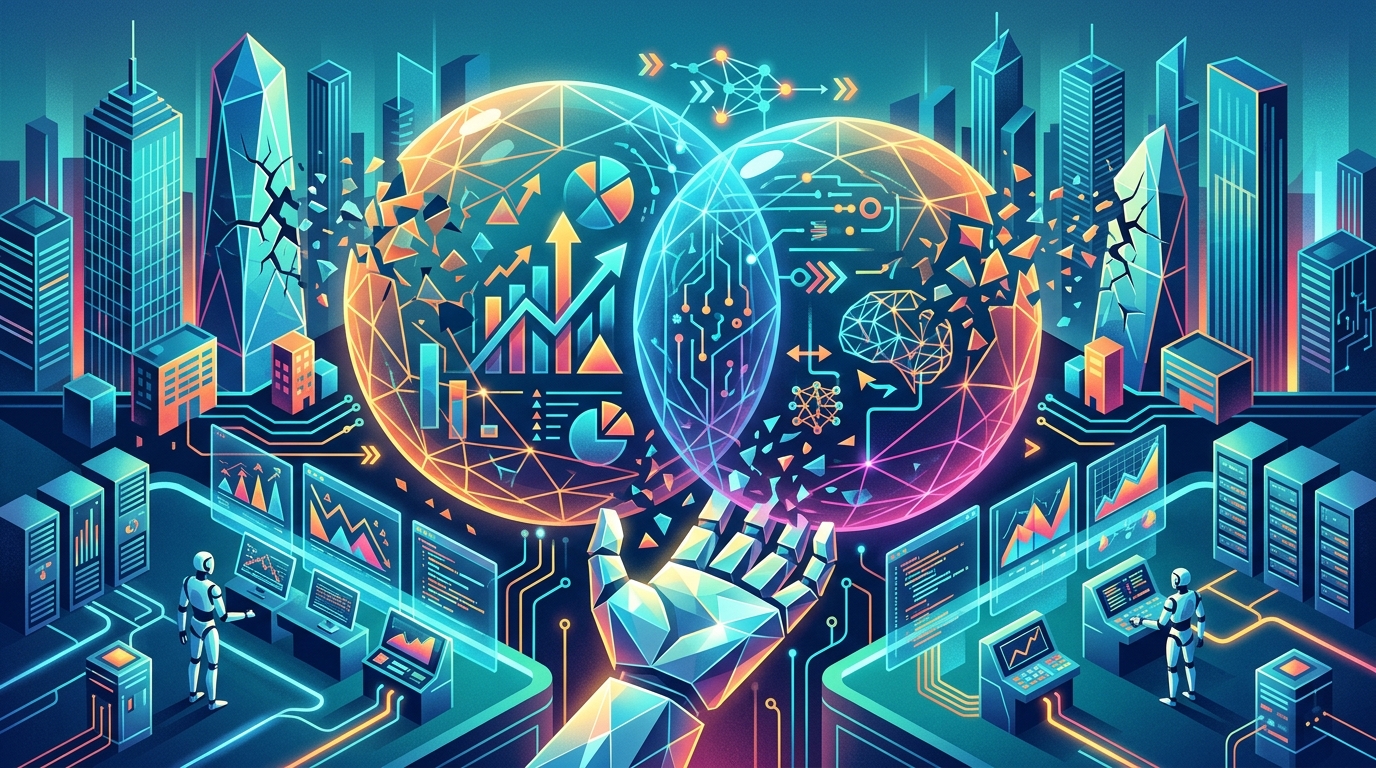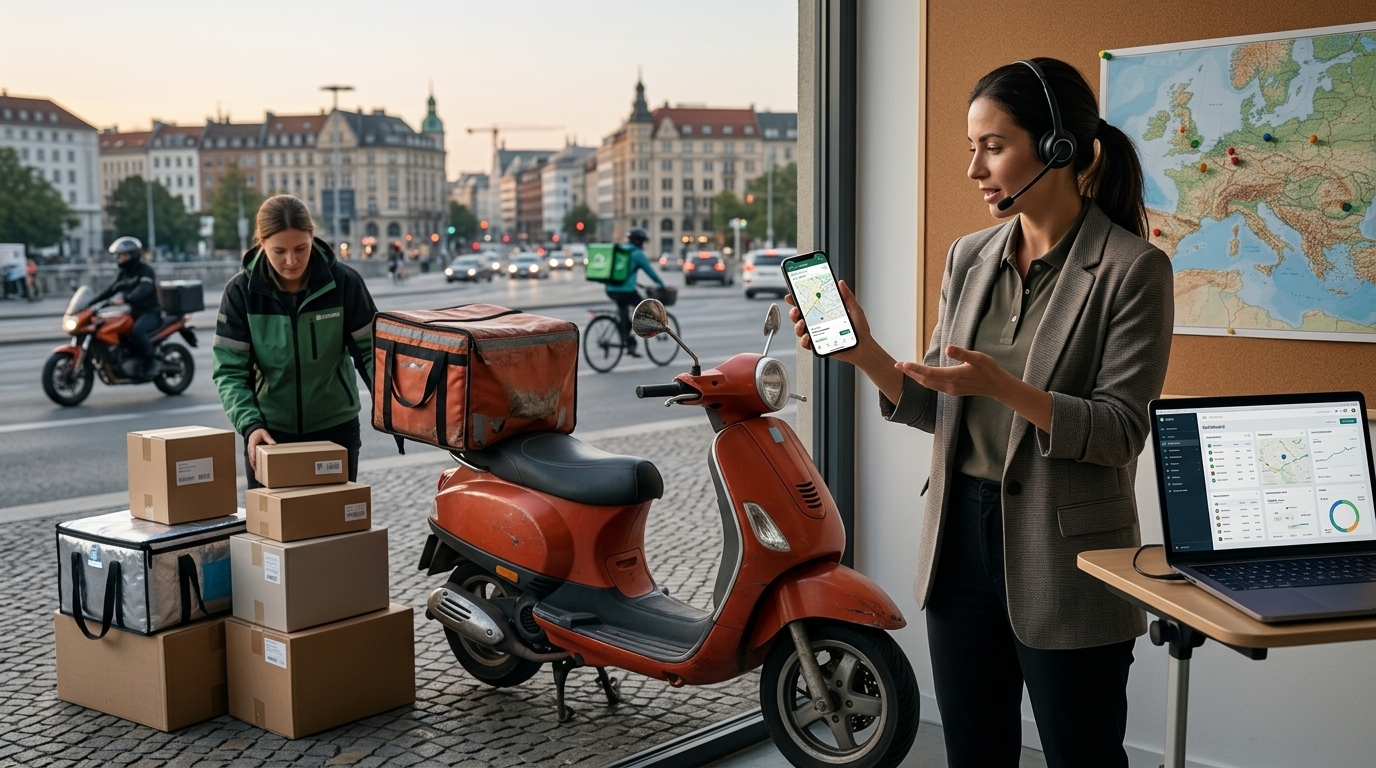
The sight of a courier with a brightly colored thermal box on their back has become a permanent fixture of the urban landscape, from London to Athens. However, what began as a convenient solution for ordering takeout has morphed into something far more profound and structural for the global economy. Online delivery platforms are transforming into comprehensive "quick-service" ecosystems (Quick-Commerce or Q-Commerce), expanding their operational footprint into every facet of daily consumption.
The Strategic Pivot to Q-Commerce
This evolution is no accident. In the post-pandemic era, consumer habits have solidified around the demand for speed and friction-less convenience. Major players like Delivery Hero, Wolt (owned by DoorDash), and Uber Eats realized that the logistics infrastructure they built for food could be leveraged to transport almost any commodity. Today, through these apps, users can order anything from groceries and pharmaceuticals to electronics, flowers, and apparel.
This strategy is rooted in the concept of the "Super-App." The goal is to ensure the user never has to leave the application. If a platform can fulfill the need for morning coffee, mid-day groceries, and a last-minute evening gift, it gains an invaluable database and a steady revenue stream that transcends the cyclical peaks and troughs of the restaurant industry.
Dark Stores and the Logistics of the Future
To fulfill the promise of delivery within 15 to 30 minutes, platforms are investing heavily in "Dark Stores." These are micro-fulfillment centers located within urban centers that are closed to the public and serve exclusively as sorting hubs for online orders. These points allow for route optimization and the reduction of delivery times to a minimum.
- Inventory Optimization: Using AI, platforms predict demand on a neighborhood-by-neighborhood basis, ensuring popular items are always in stock.
- Retail Partnerships: Rather than always competing with traditional supermarkets, many platforms act as their digital distribution arm, creating hybrid cooperation models.
- Cost Reduction: Automation within dark stores is beginning to replace manual picking, increasing profit margins in a notoriously low-margin business.
The Subscription Economy and Data Monetization
One of the most significant pillars of these new ecosystems is the subscription model. Programs like Wolt+ or e-food pro offer free deliveries for a fixed monthly fee. This not only provides platforms with predictable cash flow but also creates "locked-in" customers who are statistically less likely to switch to a competitor. Furthermore, the volume of data collected is staggering. Platforms know what we eat, when we shop, and our approximate purchasing power, allowing them to sell highly targeted advertising to brands directly within the app interface.
Challenges and Social Impact
Despite the technological leaps, the quick-service ecosystem model faces intense scrutiny. The employment status of couriers remains at the heart of political debates in the European Union, with increasing pressure for the recognition of labor rights and social security. Additionally, the dominance of these platforms poses a threat to the viability of small local shops that cannot afford high commission rates or compete with the hyper-efficiency of dark stores.
"We are no longer in the era of delivery, but in the era of total logistical infrastructure. Whoever controls the last mile, controls consumption," market analysts suggest.
In conclusion, the transformation of delivery platforms into comprehensive ecosystems is an irreversible process. The challenge for the future lies in balancing consumer convenience with social equity and urban sustainability, as our streets fill with delivery vehicles and our neighborhoods transition into logistics hubs.