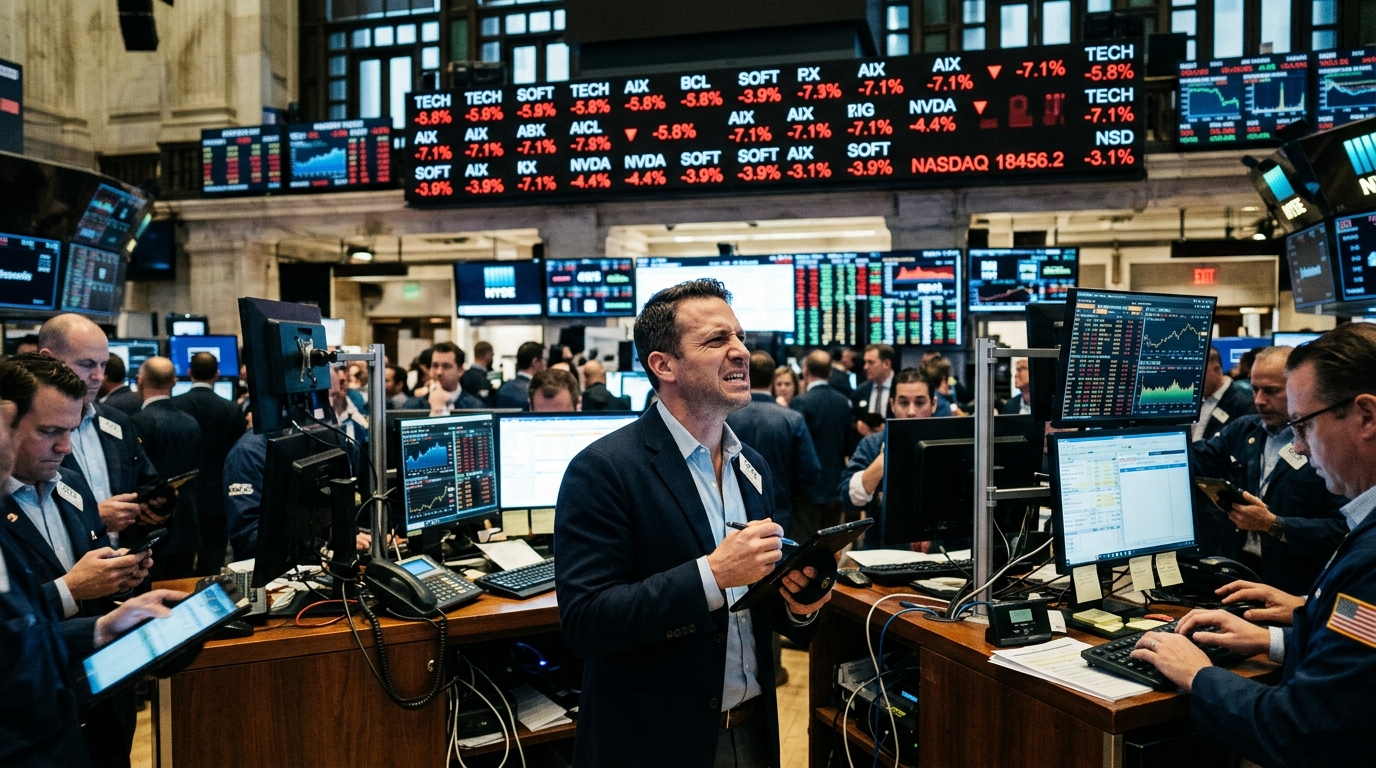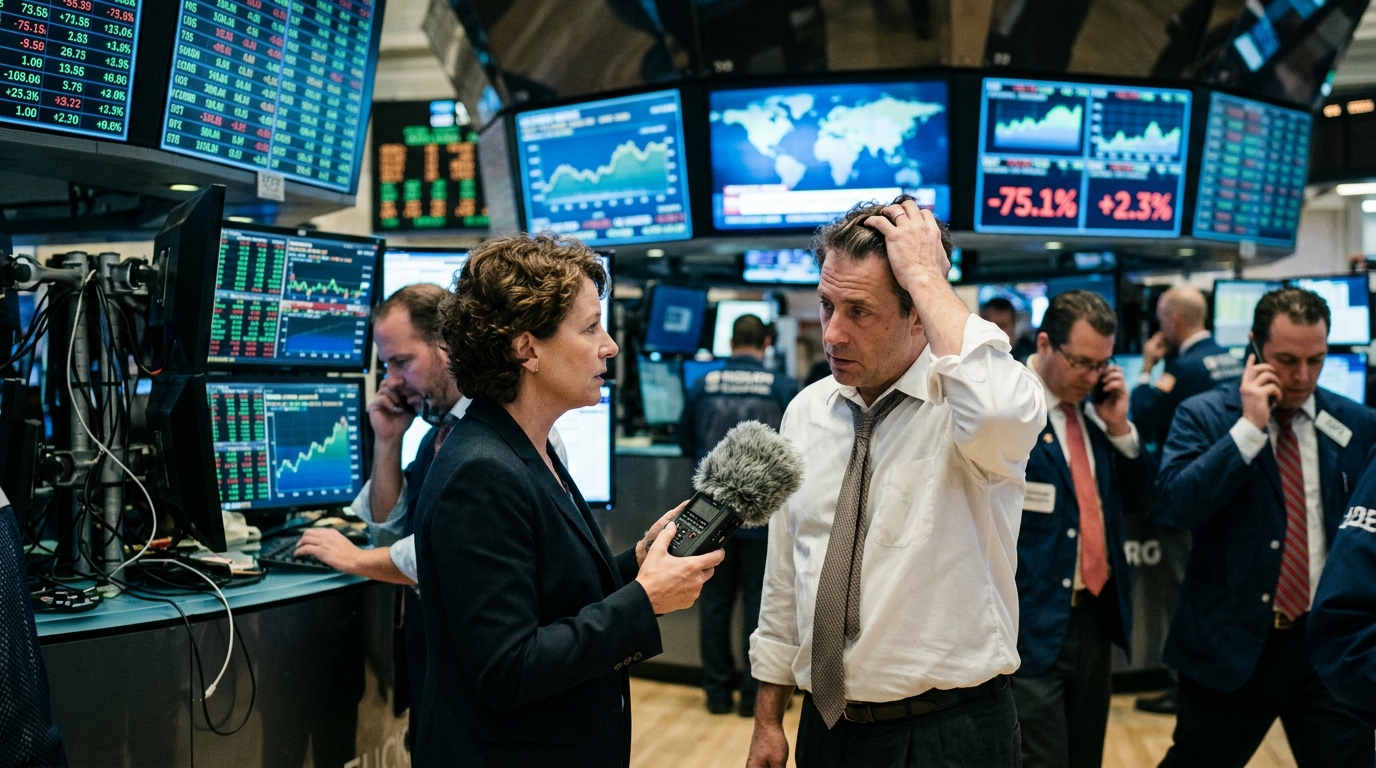
In a move that many analysts are describing as the 'nuclear option' in the AI price wars, Chinese AI lab DeepSeek has announced a permanent 75% reduction in API pricing for its flagship models. This decision, first reported by Bloomberg, is not merely a marketing promotion but a strategic declaration of dominance that threatens the profit margins of industry leaders like OpenAI and Anthropic. As we move through May 2026, the Large Language Model (LLM) market is rapidly shifting from a playground of technological novelty to a commodity market where the cost per million tokens is the primary deciding factor for enterprises.
The Strategy of Aggressive Undercutting
DeepSeek, which rose to global prominence by training high-performance models at a fraction of the budget used by Western counterparts, is now wielding its efficiency as a competitive weapon. The permanent 75% discount brings the cost of using their top-tier models to levels that make AI application development economically viable even for the smallest startups. DeepSeek’s technical edge lies in its Mixture-of-Experts (MoE) architecture, which allows the model to activate only a subset of its parameters for each request, drastically reducing inference costs.
For developers, this shift means that access to intelligence comparable to GPT-4.5 or Claude 3.5 Opus is now available at a cost closer to that of much simpler, previous-generation models. This puts immense pressure on US-based cloud providers and model creators, who must now justify their higher price points through superior support, security, or ecosystem integration, as raw 'intelligence' becomes increasingly inexpensive.
Geopolitical Implications and the Western Response
DeepSeek’s move cannot be viewed in isolation from the broader geopolitical landscape. While the US imposes strict export controls on advanced semiconductors (like NVIDIA’s H-series chips) to China, Chinese firms are responding with breakthroughs in software efficiency and architectural innovation. DeepSeek has demonstrated that clever engineering can compensate for a lack of raw compute power. The permanent price cut also signals China’s ambition to become the de facto AI infrastructure provider for the 'Global South' and European businesses looking for cost-effective solutions outside the American duopoly.
Analysts point out that this 'democratization' of AI access through cost could lead to a new generation of applications previously deemed too expensive. From real-time automated customer service to mass analysis of legal documents, the low cost of tokens removes the single largest barrier to entry. However, questions remain regarding the sustainability of these prices. Is DeepSeek truly profitable at these levels, or is this a strategy of subsidized market penetration aimed at displacing competitors?
Impact on the Business Ecosystem
For enterprises, price stability is as crucial as the price level itself. DeepSeek’s commitment to a 'permanent' discount aims to reassure CTOs who are wary of becoming dependent on a model whose costs might spike unpredictably.
- Reduction of operating costs for AI agents by 60-80%.
- Increased competition among API providers (OpenAI, Google, Anthropic).
- Accelerated AI adoption in low-margin industries.
- Pressure for further optimization of Open Source models to remain relevant.
"DeepSeek isn't just selling tokens; they are selling the idea that artificial intelligence should be as cheap and ubiquitous as electricity," says a leading market analyst.
In conclusion, DeepSeek’s move marks the end of the 'golden era' of high-margin AI pricing. As the technology matures, the battle is shifting from who has the largest model to who can deliver the same value at the lowest possible cost. For the global economy, this is a positive development that will fuel innovation, but for the shareholders of Big Tech giants, it is a stark warning that monopoly-like profits may soon be a thing of the past.