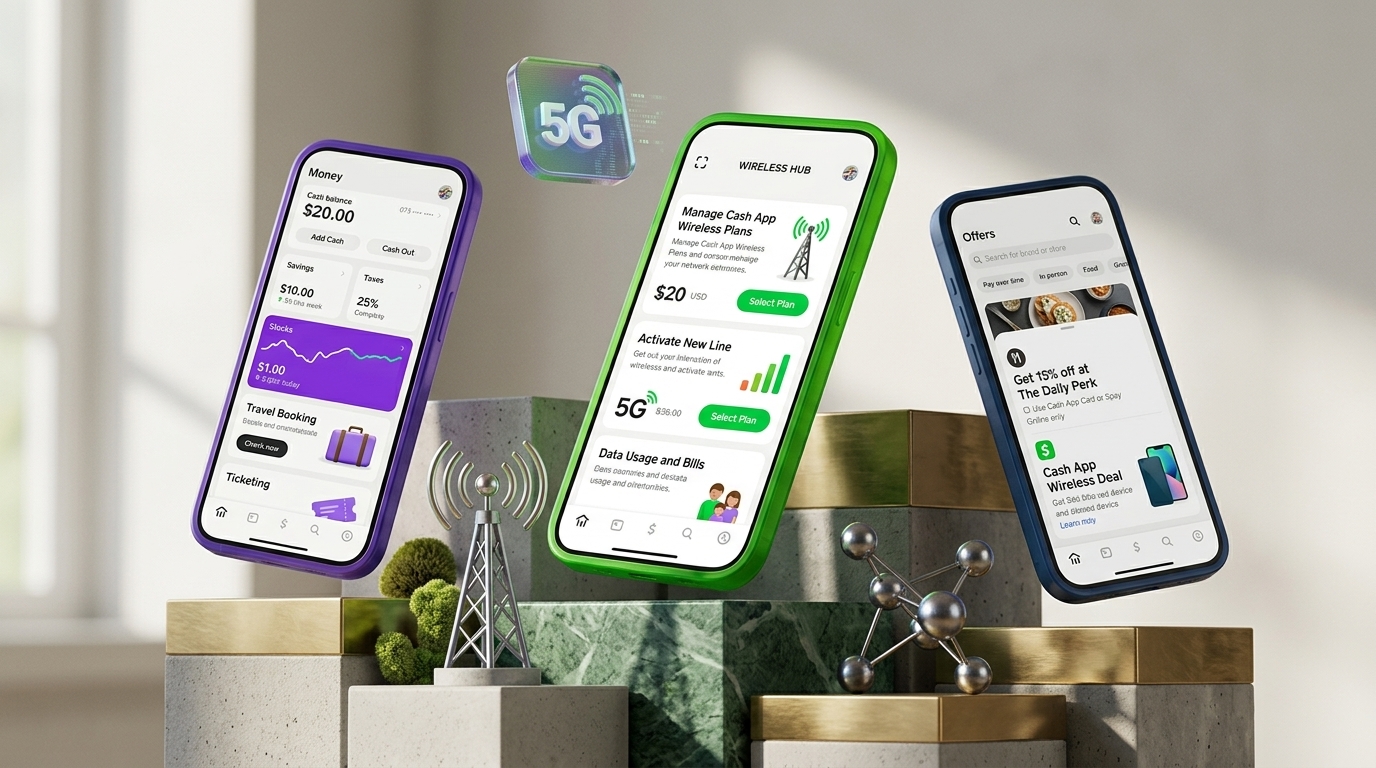
In a move that underscores the ongoing convergence between financial services and everyday technology, Cash App, the popular payment service owned by Block Inc., has announced its entry into the wireless market. The new service, operating as a Mobile Virtual Network Operator (MVNO), offers an unlimited 5G data plan for $40 per month, inclusive of all taxes and fees. This move is not merely a new revenue stream but a strategic effort by Jack Dorsey’s firm to transform Cash App into a Western-style "super-app," following the blueprint of giants like WeChat and Alipay in Asia.
The Technical Infrastructure and the MVNO Model
The "Cash App Mobile" service is powered by AT&T’s network, but the actual engine behind the implementation is Gigs, a "Telecom-as-a-Service" (TaaS) platform. Gigs enables tech companies to integrate telecommunications services into their apps without needing to negotiate directly with major carriers or build their own network infrastructure. This model, which Klarna also utilized last year for its own mobile service, drastically lowers the barrier to entry in a market traditionally dominated by a few powerful incumbents.
For Cash App, choosing AT&T ensures broad 5G coverage across the United States, while the $40 price point places the service at the heart of the competitive prepaid market. The simplicity of the billing—no hidden costs—aligns with the app’s philosophy of transparency and ease of use, targeting primarily Gen Z and Millennials who form the core of its user base.
The Ecosystem Strategy and Churn Reduction
But why would a payment company want to become a mobile carrier? The answer lies in user retention and increasing the lifetime value (LTV) of each customer. In the software world, mobile connectivity is considered the ultimate "sticky service." People rarely change their phone numbers or providers, and when their mobile connection is inextricably linked to their bank account and payment card, the likelihood of them leaving the ecosystem drops significantly.
Furthermore, Cash App Mobile allows Block Inc. to gain access to even more user data. While the company maintains it respects privacy, knowing data usage patterns and linking them to spending habits provides a holistic view of the user that is invaluable for targeting financial products like loans or investment services. It is about building a closed-loop ecosystem where the user never needs to leave the app to fulfill their basic digital needs.
Competition and the Future of Fintech
Cash App’s move comes at a time when industry boundaries are blurring. Apple has already pushed deep into finance with Apple Pay and Apple Card, while Amazon constantly experiments with connectivity services. Cash App Mobile is Block Inc.’s response to this trend of "platformization." However, the challenge remains significant. The MVNO market is extremely saturated, and profit margins are razor-thin.
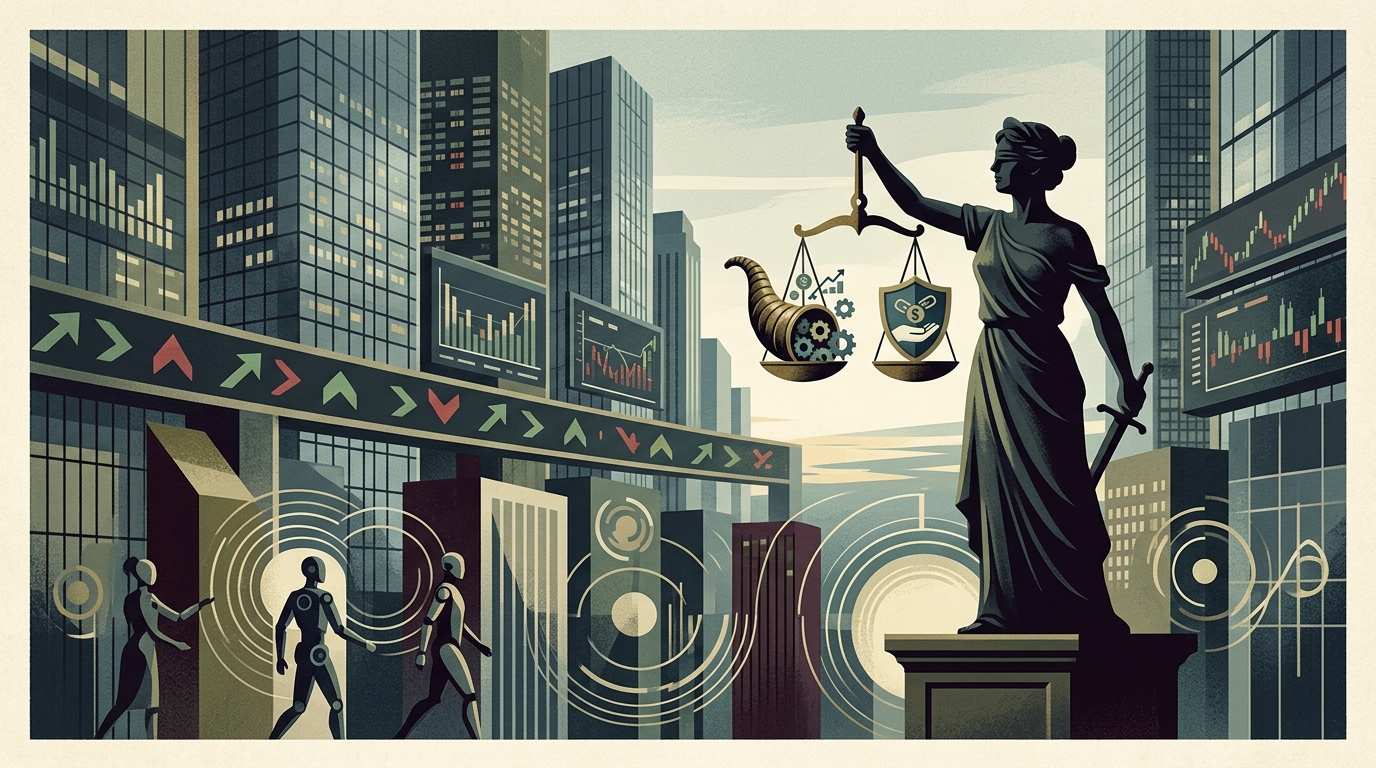
At the same time, regulatory pressure is mounting. Competition authorities in the US and the EU are closely watching the expansion of big tech firms into multiple sectors, fearing the creation of monopolies that control every aspect of the consumer's life. For Jack Dorsey, however, the risk seems worth it. If Cash App can convince a significant portion of its 50+ million active users to migrate their mobile service to the platform, it will have achieved something no other Western bank or fintech has managed to date: becoming the undisputed gateway to the digital world.