In a move that underscores the intensifying heat of the global AI arms race, ByteDance, the Chinese tech titan behind TikTok, is reportedly revising its 2026 investment strategy upward. According to industry insiders, the company has increased its planned AI infrastructure spending by 25%, bringing the total budget to a staggering RMB 200 billion (approximately $28 billion). This decision is far more than a mere corporate expansion; it is a strategic declaration of intent at a time when computational power has become the ultimate currency of geopolitical influence.
The Architecture of Dominance: Why the Surge?
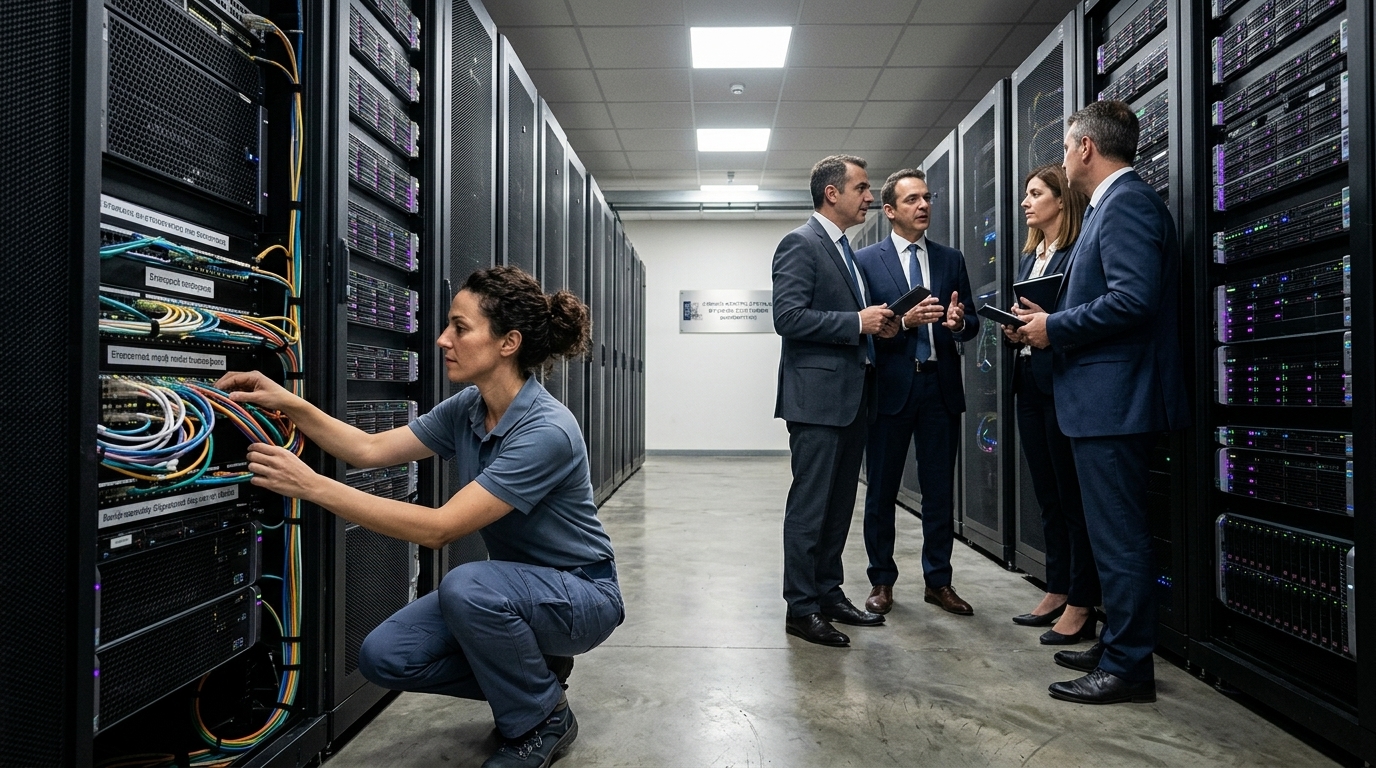
ByteDance is no stranger to algorithmic excellence. The recommendation engine that powers TikTok and its Chinese sibling, Douyin, is widely considered the most effective in the world. However, the paradigm shift from traditional machine learning to Large Language Models (LLMs) and Generative AI requires a fundamental overhaul of physical infrastructure. The RMB 200 billion is earmarked primarily for the acquisition of high-end Graphics Processing Units (GPUs) and the construction of massive data centers capable of supporting the next generation of ByteDance’s models, such as the Doubao LLM.
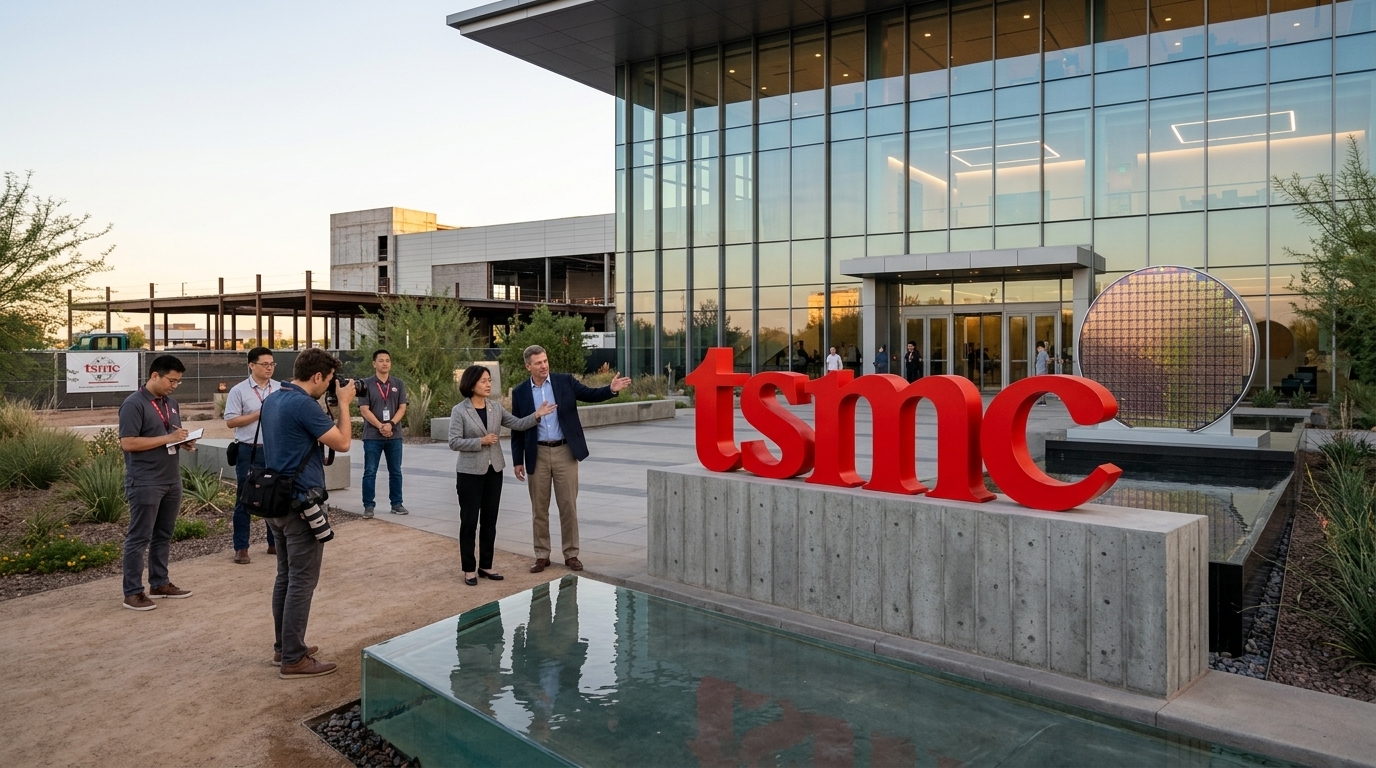
The timing of this investment is critical. With the United States consistently tightening export controls on high-performance semiconductors to China, ByteDance is in a race against time. The spending hike suggests an aggressive effort to stockpile hardware and simultaneously invest in domestic alternatives. The company appears to recognize that its future survival depends on achieving a degree of technological self-reliance, ensuring it can train and deploy models without being tethered to the whims of Silicon Valley’s supply chains.
Impact on Global Markets and Competition
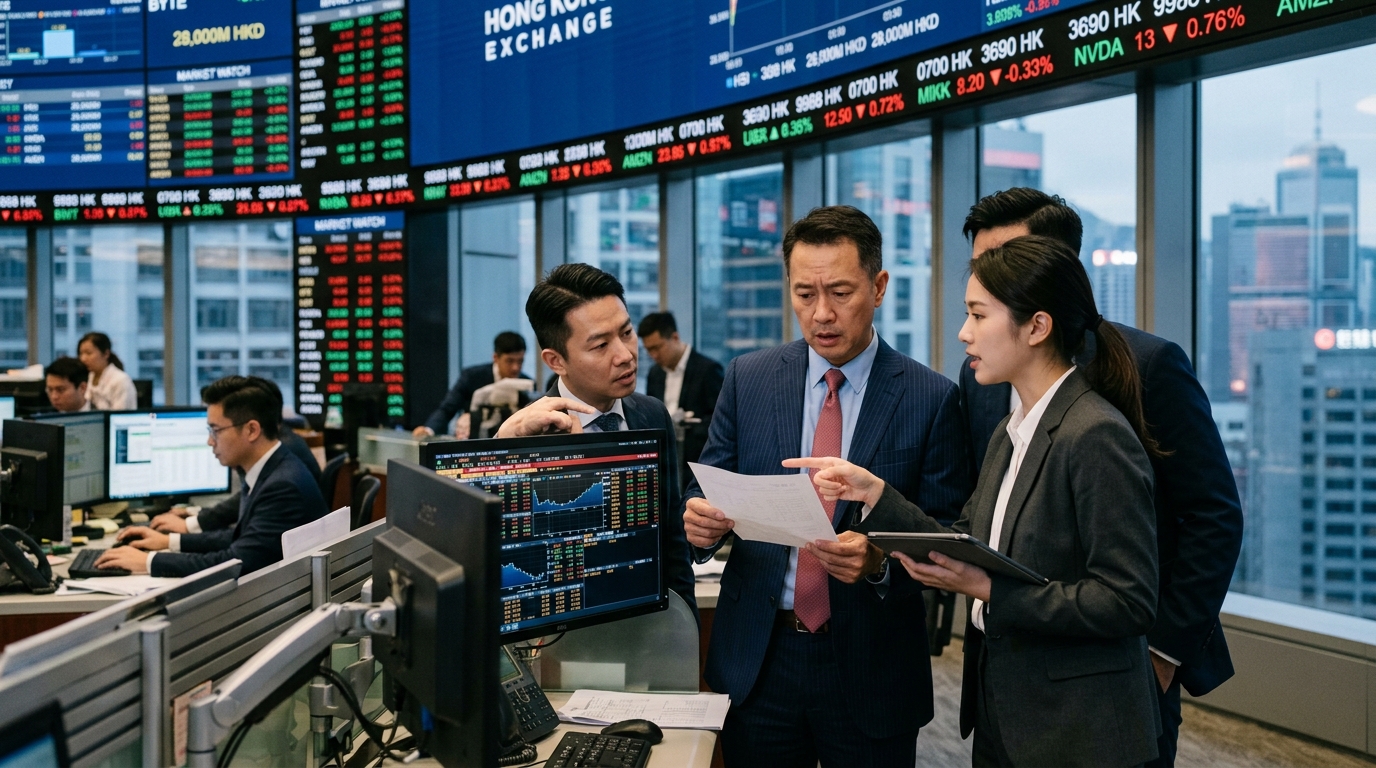
This massive capital expenditure (CAPEX) sends a clear signal to competitors both within and outside China. Domestically, ByteDance is locked in a fierce battle with Alibaba, Tencent, and Baidu for leadership in cloud services and AI integration. With a budget of this magnitude, ByteDance could potentially offer AI services at a price point that squeezes the margins of its rivals. Internationally, the move puts Meta and Google on high alert. As ByteDance expands its capabilities in AI-generated video, it poses a direct threat to the dominance of platforms like YouTube and Instagram.
Furthermore, the economic ripple effects are significant. The demand for energy and high-tier talent will skyrocket. ByteDance is already recruiting some of the brightest minds in computer science globally, offering compensation packages that often dwarf those of American tech giants. The shift of the innovation epicenter toward the East seems to be accelerating, despite the ongoing efforts of Western governments to promote "decoupling" or "de-risking."
Challenges and Geopolitical Risks
Despite the ambitious scale, the path forward is fraught with obstacles. The most significant challenge remains political pressure. In the U.S., the potential ban of TikTok remains a looming threat, and massive investments in AI infrastructure could be interpreted as further alignment with Beijing’s strategic goals. ByteDance must perform a delicate balancing act: advancing its technological frontier while maintaining its status as a globally viable consumer platform.
There is also the question of capital efficiency. Throwing money at the problem does not always yield a breakthrough. Scaling AI requires not just hardware, but high-quality data and sophisticated optimization algorithms. If ByteDance fails to monetize these infrastructures beyond its core advertising business, it risks saddling itself with an enormous and potentially unsustainable cost base. The transition from a social media company to an AI infrastructure provider is a high-stakes gamble that will test the company's operational discipline.
Conclusion: The New Normal for Big Tech
ByteDance’s decision to commit RMB 200 billion to AI infrastructure is the latest example of the "new normal" in the tech industry: companies are no longer just software providers; they are industrial giants controlling the entire stack from the silicon to the user interface. For the global community, and particularly for Europe, this development is a stark reminder of the growing gap between the two technological superpowers. While regulators in Brussels focus on the ethical frameworks of AI, ByteDance and its American counterparts are building the physical foundation that will dictate the functioning of the digital world for decades to come.