At the heart of the global financial stage, a new and unexpected conflict is emerging: Artificial Intelligence's (AI) promise of boundless productivity is clashing with the harsh reality of inflation and interest rates. As we move through May 2026, the bond market is sending a loud signal to policymakers, and specifically to Kevin Warsh, whose views on monetary stability are being tested by the colossal capital expenditures required by the AI revolution.
The Capital Expenditure Trap
The traditional economic narrative held that AI would be deflationary, as it would reduce labor costs and increase efficiency. However, the reality of 2026 is proving to be far more complex. Big Tech companies are not just investing in code; they are investing in massive physical infrastructure. The construction of global-scale data centers has led to unprecedented demand for copper, steel, and, most importantly, energy.
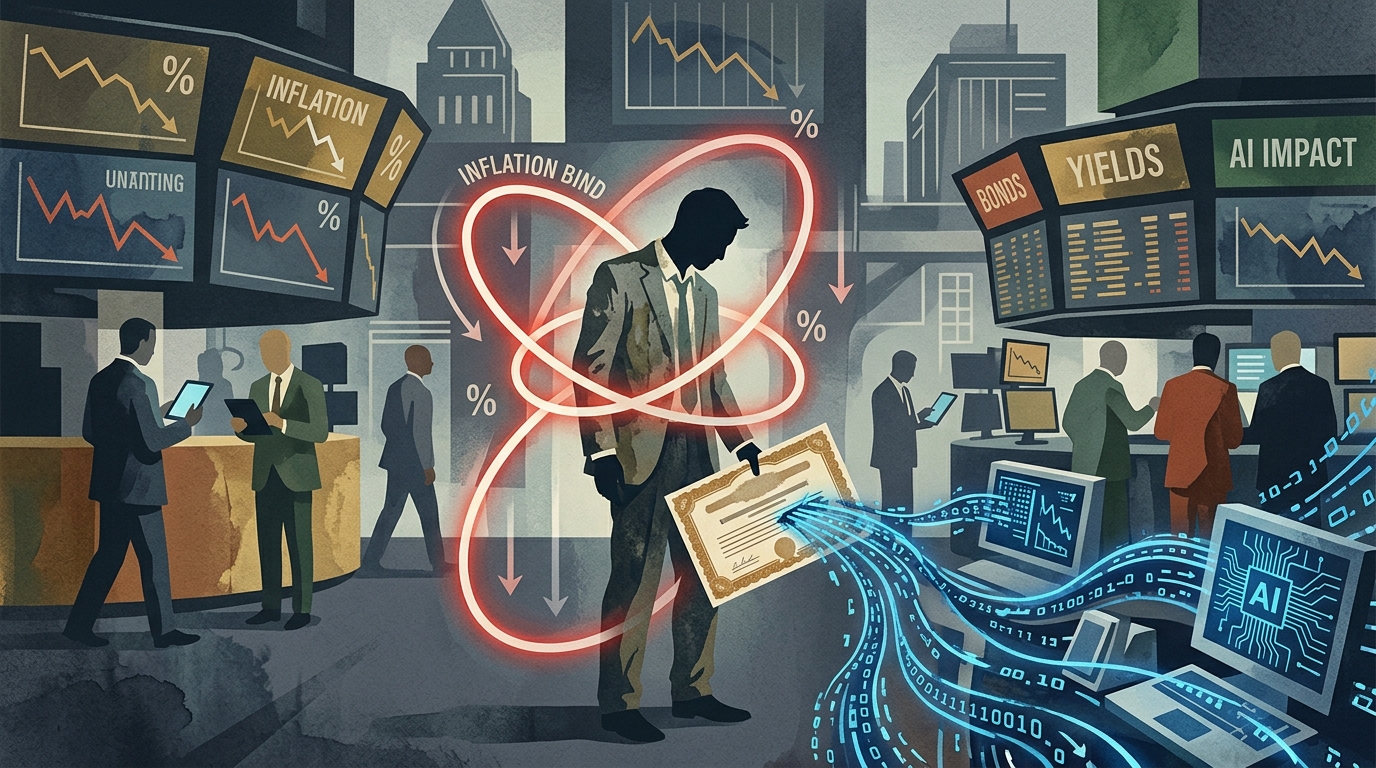
This "physical" side of AI is acting as an inflationary lever. Commodity prices required for power grids have skyrocketed, dragging up production costs in many other sectors. The bond market, observing these capital flows, has begun pricing in higher inflation for longer, dashing hopes for the rapid rate cuts that many predicted at the start of the year.
Warsh’s Dilemma and the Fed
Kevin Warsh, a former Fed governor and a central figure in discussions regarding the future leadership of the central bank, finds himself in a difficult position. His theory of a "disciplined" monetary policy aimed at price stability is colliding with the market's need to finance the technological transition. If the Fed keeps rates too high to combat the investment-driven inflation caused by AI, it risks stifling the very innovation that promises future growth.
On the other hand, if it yields to pressure for rate cuts, infrastructure inflation could become entrenched, leading to a period of stagflation where prices rise but the real economic benefit of AI is slow to reach the average consumer. 10-year Treasury yields have already ticked upward, reflecting the fear that AI is, at least in the short term, an "inflationary demon" rather than a "deflationary angel."
The Energy Crisis and AI: The New Variable
Perhaps the most critical factor in this equation is energy. Artificial Intelligence is energy-intensive to a degree that previous forecasts completely underestimated. The need for 24/7 power supply for data centers has forced utilities to seek more expensive energy sources, as renewables are not yet sufficient for the base load. This increased energy cost is being passed through the entire economy, creating a secondary inflationary pressure that central banks find difficult to control through interest rates alone.
- Data center electricity demand is projected to double by 2028.
- The cost of specialized semiconductors remains at historic highs due to supply chain constraints.
- Wages for specialized AI personnel are rising at rates reminiscent of the dot-com era, fueling services inflation.
In conclusion, the bond market is not questioning the value of AI, but it is warning about the cost of the transition. For Warsh and his colleagues, the challenge is to discern whether this inflation is a temporary "investment fever" or a permanent shift in the economic landscape that requires a radically new approach to monetary policy.