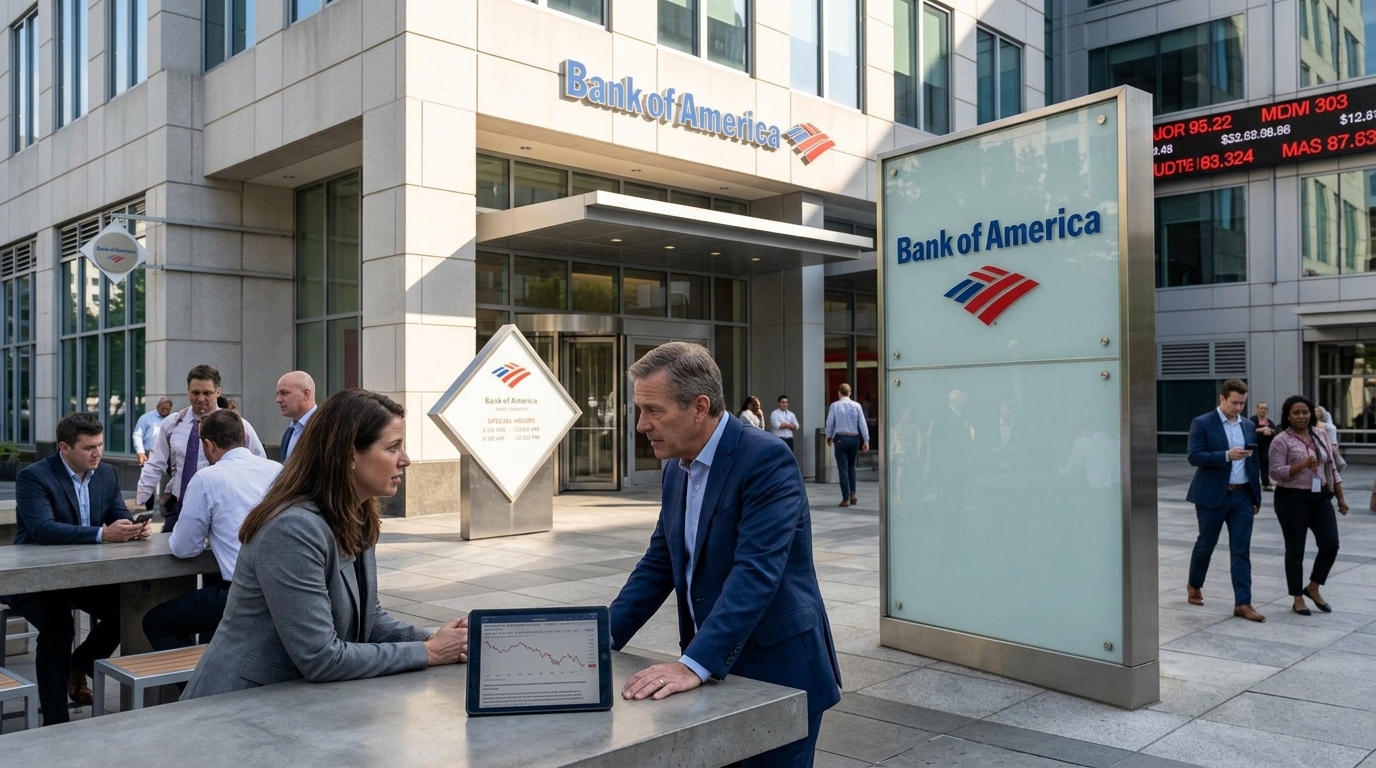
As we navigate the closing days of June 2026, the atmosphere on Wall Street is beginning to resemble the proverbial calm before the storm. Bank of America (BofA), one of the world's preeminent financial institutions, has issued a landmark report warning investors that the S&P 500 may be entering a corrective phase, with potential losses reaching up to 6% during the summer months. Despite the long-term trend remaining bullish, the bank's technical analysts point out that the market has become overextended, leaving it vulnerable to external shocks or simply a necessary decompression.
The Three Pillars of Concern
BofA's analysis is not rooted in a general sense of pessimism but in three specific technical and fundamental observations. First, the Relative Strength Index (RSI), which measures the speed and change of price movements, indicates that many of the index's leading stocks are in 'overbought' territory. Historically, this leads to a pause or a retreat as investors rush to lock in profits from the rally seen in the first half of 2026.
Secondly, market breadth remains alarmingly narrow. Although the S&P 500 has hit successive all-time highs in recent months, this ascent has been fueled by a small handful of technology giants, primarily those leading the Artificial Intelligence revolution. When the foundation of a rally is so narrow, even a slight wobble among the 'leaders' can pull the entire index down with them.
Thirdly, the seasonality factor cannot be ignored. The third quarter, particularly July and August, is traditionally characterized by lower trading volumes due to the summer holidays, which tends to amplify volatility. A minor selling pressure in a low-liquidity environment can quickly snowball into a significant correction.
The Shadow of the Fed and Inflation
Beyond technical charts, BofA emphasizes the critical role of monetary policy. While the Federal Reserve began a rate-cutting cycle in late 2025, the pace of these cuts remains a subject of intense debate. Recent U.S. inflation data showed persistent stickiness in certain service sectors, which might force the central bank to pause its easing cycle. Markets, having already priced in more aggressive cuts, could face disappointment, thereby triggering the correction the bank forecasts.
"We are not facing the end of the bull market, but rather a necessary pit stop for refueling," the report states. "A retreat of 5% to 6% would actually be healthy, as it would allow valuations to rationalize before a potential year-end rally."
Investor Strategy for the Coming Months
How should investors react to this forecast? BofA suggests a strategy of 'selective defense.' Rather than a total exit from equities, the bank recommends pivoting toward laggard sectors such as utilities and consumer staples, which tend to show greater resilience during corrections. Furthermore, maintaining a cash cushion could prove invaluable, allowing for the purchase of high-quality assets at discounted prices during the summer dip.
In conclusion, the summer of 2026 is expected to be hot—not just due to climatic conditions but because of the intensity on New York’s trading floors. Bank of America's warning serves as a reminder that in the markets, the path upward is never a straight line, and discipline remains an investor's best ally.