The global semiconductor market, which has been the engine of the stock market surge over the past two years, is now at a critical crossroads. According to a recent analysis by Bank of America (BofA), the chip sector in the United States is showing alarming signs of "overheating," with valuations reaching levels reminiscent of previous eras of speculative euphoria. However, the report is not limited to a simple risk warning; instead, it maps out the transition from a market dominated by a few Artificial Intelligence "giants" to a more diversified landscape where Europe and Asia are taking center stage.
The Wall Street "Melt-up" and Concentration Risk
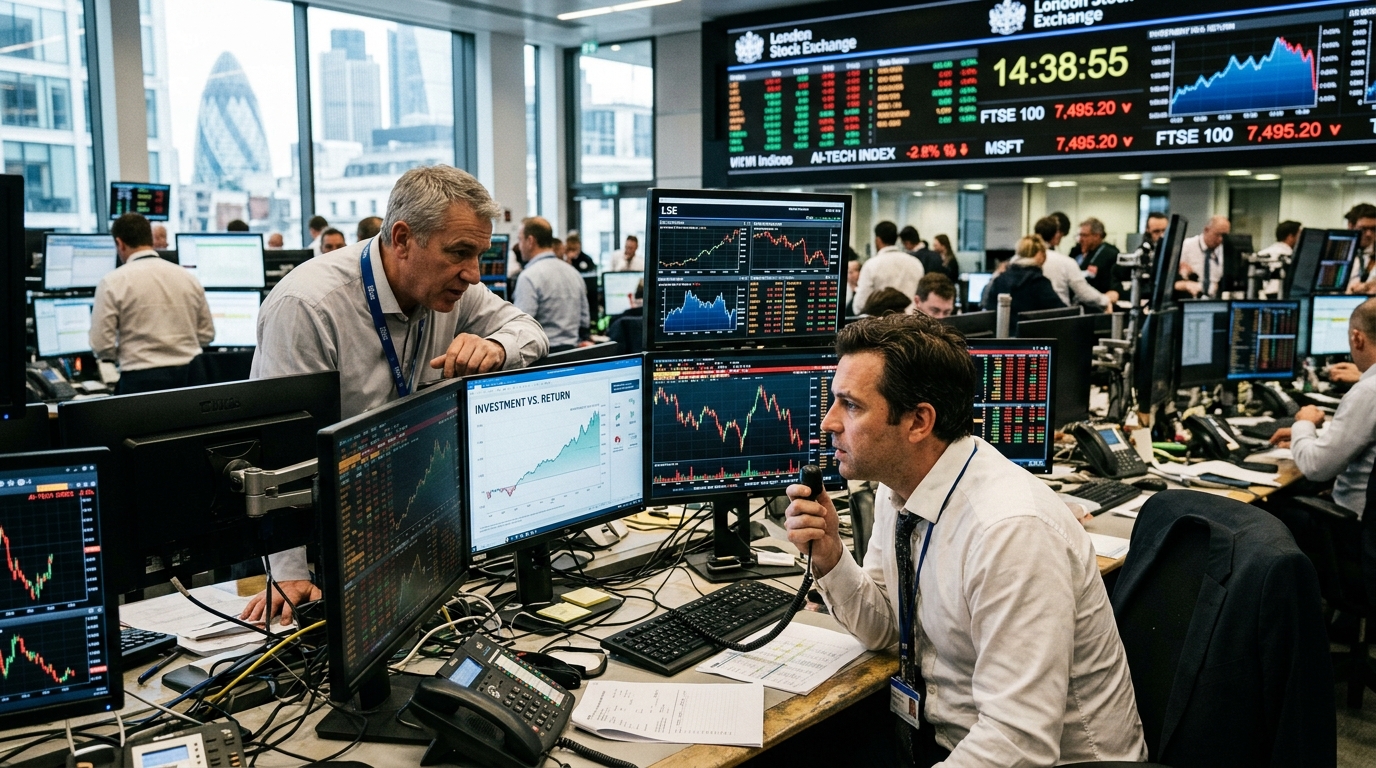
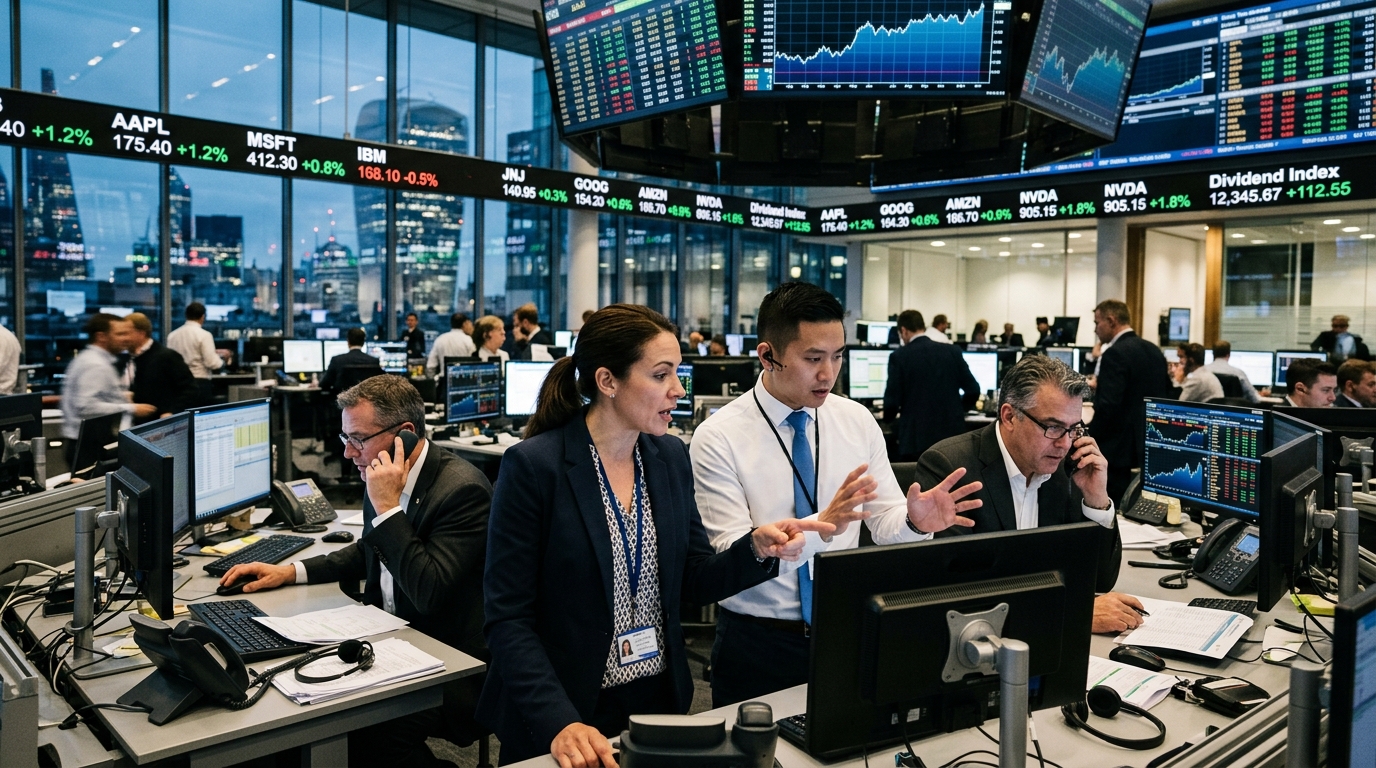
The rise of Nvidia and other companies directly related to AI infrastructure has been unprecedented. The Philadelphia Semiconductor Index (SOX) has recorded gains exceeding all expectations, leading many analysts to wonder if the real economy can keep up with investor expectations. BofA points out that the Relative Strength Index (RSI), a technical indicator that measures the speed and change of price movements, has been in "overbought" territory for a prolonged period.
The issue is not just price, but also concentration. A huge percentage of the market capitalization is based on very few companies. When the market becomes so "narrow," any negative news—whether regarding earnings or geopolitical developments—can trigger a violent correction. Bank of America highlights that investors have begun pricing in a "perfect scenario" for growth, leaving little room for error or delays in AI adoption by enterprises.
Europe: The Silent Power of Lithography and Automotive
While the spotlight falls on Silicon Valley, Europe offers a more balanced and perhaps safer outlet for capital seeking returns without the risk of extreme overvaluation. ASML in the Netherlands remains the "gatekeeper" of the industry, as it is the only company in the world producing the EUV (Extreme Ultraviolet lithography) machines required for the most advanced chips. Despite its high price tag, BofA believes its strategic position makes it less vulnerable to fluctuations in consumer demand.
Furthermore, European giants like STMicroelectronics and Infineon, which focus on the automotive industry and industrial systems, have lagged in the recent rally. This lag creates, according to BofA, an entry opportunity. With electric mobility recovering and the need for energy efficiency in factories increasing, "traditional" chips that control power and sensors are expected to see significant demand growth, far from the volatility of the data center sector.
Asia: The Dilemma Between Technological Superiority and Geopolitics
In Asia, eyes remain fixed on Taiwan and TSMC. Bank of America notes that TSMC is the only manufacturer capable of meeting the needs of Apple, Nvidia, and AMD simultaneously. However, its valuation in the Asian market often remains at lower levels than its American counterparts due to the "geopolitical discount." Tensions in the Taiwan Strait act as a drag, but for long-term investors, this represents a buying opportunity in a company that is essentially irreplaceable.
Meanwhile, South Korea, with Samsung and SK Hynix, is gaining ground in the HBM (High Bandwidth Memory) sector, which is essential for training AI models. BofA argues that the market has not fully priced in the dominance of these companies in the AI supply chain, focusing too much on chip designers rather than the manufacturers of essential subsystems.
Conclusions and Investment Strategy
Bank of America's warning is not a call to exit technology but for a more careful reallocation of resources. The "overheating" mainly concerns the first wave of AI euphoria in the US. The second wave, according to analysts, will involve integrating these technologies into production and infrastructure, where Europe and Asia have a strong footprint.
"Diversification is no longer an option but a necessity for survival in an environment where volatility will be the new norm," the report states.
Investors are urged to look beyond the shiny names of the Nasdaq and seek value in companies providing the "picks and shovels" of digital transformation, especially in markets that have not yet experienced the excess of US valuations. The semiconductor industry remains the core of the global economy, but success going forward will require more analysis and less hype.