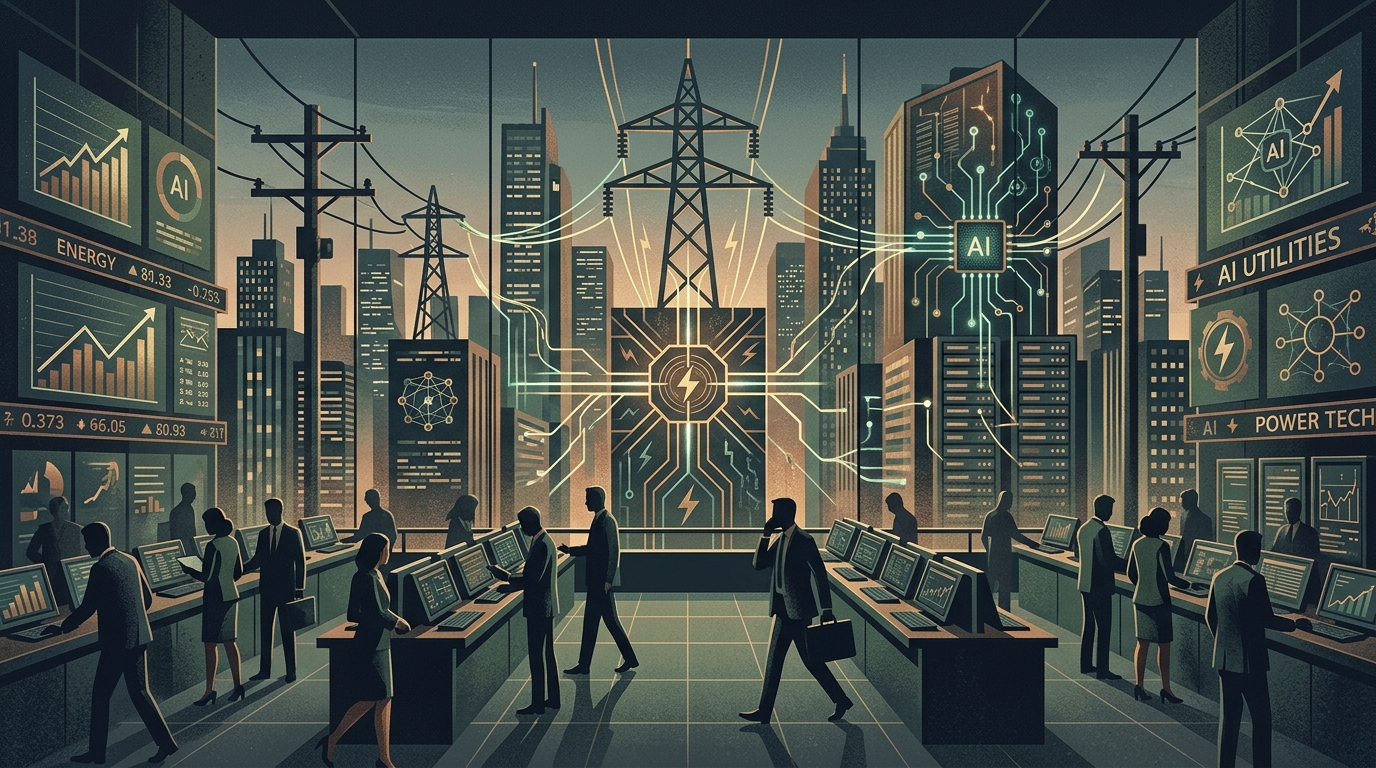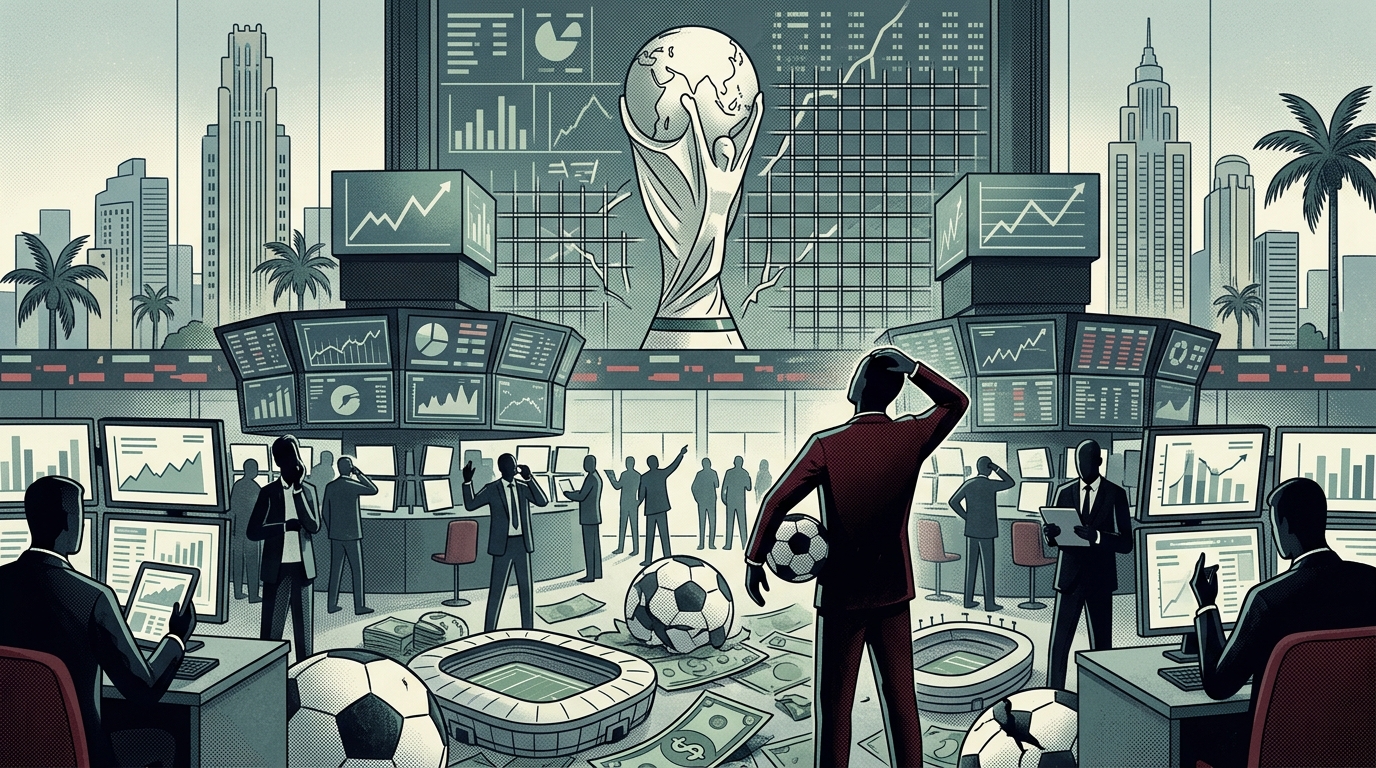
In an era where the world seems to be engulfed in geopolitical tensions, trade wars, and climatic uncertainty, international markets appear to be operating in a parallel universe of euphoria. This paradoxical phenomenon, dubbed by analysts and academics as the "Bliss Trade," describes a state where investors systematically ignore systemic risks, betting on perpetual state protection. Rebecca Henderson, a distinguished Harvard professor and author of "Reimagining Capitalism in a World on Fire," is sounding the alarm, warning that this "blindness" could lead to a catastrophic correction.
The Illusion of Safety and Moral Hazard
The Bliss Trade is not merely a manifestation of optimism. It is the result of more than a decade of market "addiction" to state intervention. From the 2008 financial crisis to the COVID-19 pandemic, central banks and governments have proven willing to inject trillions into the system to prevent a collapse. This has created a belief among investors that the "safety net" is permanent.
- The conviction that central banks will always intervene (the so-called Fed Put).
- The dismissal of geopolitical conflicts as mere "background noise."
- The excessive concentration of capital in tech giants deemed "too big to fail."
According to Henderson, this creates a massive "moral hazard." When risk is socialized and profits are privatized, the market's self-regulating mechanisms cease to function. Investors stop correctly pricing risk, leading to asset bubbles based not on fundamentals, but on the hope of a state bailout.
Geopolitical Blindness in a Multipolar World
Despite conflicts in Ukraine and the Middle East, and rising tensions between the US and China, stock indices continue to hit record highs. Henderson points out that this decoupling is unprecedented. Markets seem to assume that globalization will continue to function seamlessly, despite clear signs of fragmentation.
"We live in a time when the institutional foundations of capitalism are creaking, yet markets behave as if they are impenetrable. This bliss is the most dangerous form of denial," the professor states.
Her analysis focuses on the fact that investors view geopolitics as an exogenous factor that does not affect long-term corporate profitability. However, Henderson argues that market stability is directly dependent on the stability of democracy and the international legal order. If these collapse, no central bank will be able to save the economy.
Public Debt as a "Mine" Beneath the Bliss Trade
One of the key pillars supporting the Bliss Trade is the ability of states to borrow and spend. Global public debt has reached record levels, fueling consumption and investment activity. But Henderson warns that this model has an expiration date. When debt servicing costs begin to squeeze public investment in education, infrastructure, and climate change, "bliss" will turn into a crisis.
The Harvard professor emphasizes that current growth is "borrowed" from the future. Markets are ignoring the fact that governments are running out of ammunition. In the next major crisis, the fiscal capacity for new bailouts may simply not exist, leaving investors exposed to a reality they refused to see.
Conclusion: The Need for a Hard Reality Check
Rebecca Henderson's warning is not a prophecy of doom, but a wake-up call. The Bliss Trade is a symptom of a system that has lost touch with the limits of the physical and political world. To avoid a chaotic collapse, a return to the basic principles of risk analysis is required, along with an acknowledgment that markets cannot thrive in a decaying society.
Investors must begin pricing in the costs of climate change, social inequality, and geopolitical instability. "Bliss" may offer short-term gains, but history has shown that markets that ignore reality are eventually forced to confront it in the most painful way.