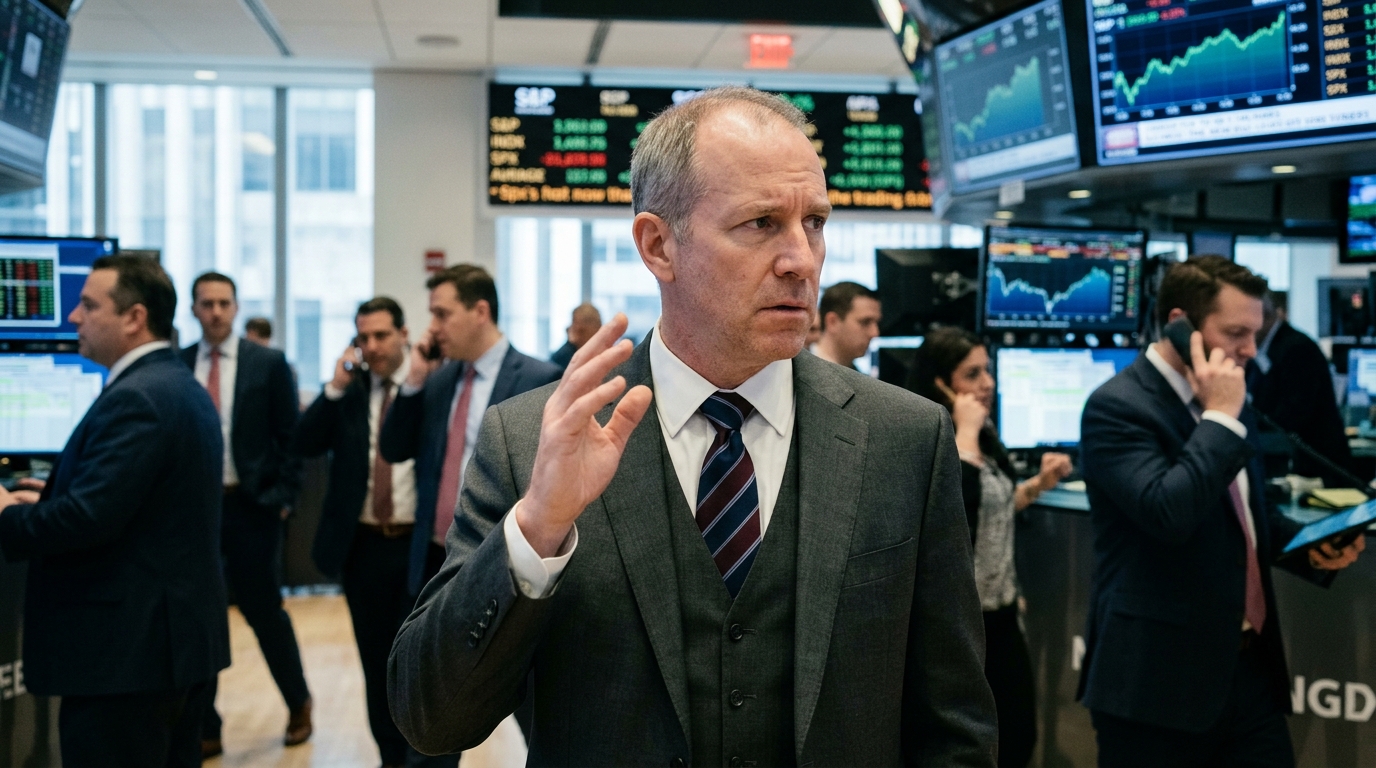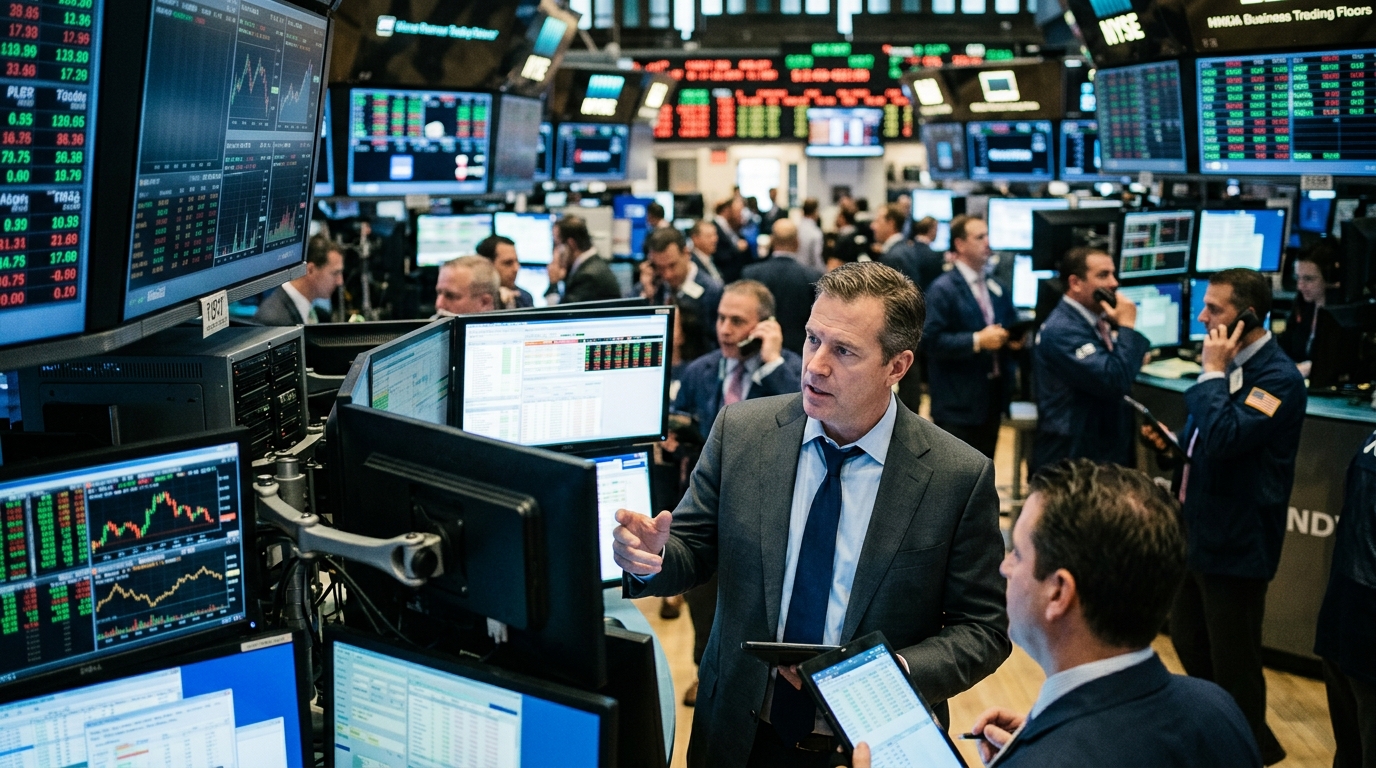
In an era where the global economy seems to be navigating uncharted waters, BlackRock, the world's largest asset manager, presents an analysis that is not merely a forecast, but a fundamental rewriting of the rules of the game. As we approach the Midyear Investment Forum of 2026, the investment giant's strategy focuses on what it terms the "New Regime" – a period of higher volatility, persistent inflation, and structural shifts that render the traditional strategies of the past obsolete.
The AI Revolution: From Infrastructure to Implementation
Artificial Intelligence (AI) is no longer treated by BlackRock as a tech sub-sector, but as a "mega-force" rearranging productivity. While 2024 and 2025 were dominated by investments in semiconductors and data centers, 2026 marks the transition to the "second wave." The analysis highlights that value is now shifting toward companies that can integrate AI to reduce operating costs and create new revenue streams.
According to the firm's analysts, the market capitalization of companies leading in AI application will begin to decouple from the broader S&P 500 index, creating a "two-speed" market. The challenge for investors is identifying those businesses that possess the proprietary data sets required to train specialized models, as generic AI becomes a commodity.
Geopolitical Fragmentation and the Return of Industrial Policy
BlackRock warns that globalization, as we knew it, has given way to "multipolar fragmentation." Geopolitical tensions between the US and China, combined with instability in the Middle East, have made supply chains a matter of national security. This is leading to a resurgence of industrial policy, with governments subsidizing domestic production of critical technologies and energy.
This trend has direct inflationary consequences. Moving production closer to consumer markets (near-shoring and friend-shoring) increases costs, meaning central bank interest rates are unlikely to return to the zero-bound levels of the previous decade. BlackRock advises clients to prepare for a "higher for longer" environment, where the cost of capital remains a decisive factor for profitability.
The New Role of Hedge Funds and Private Markets
One of the report's most intriguing points is the shift toward alternative investments. In an environment where traditional bond and stock markets exhibit high correlation, hedge funds and private markets (private credit, private equity) are taking center stage. BlackRock sees increasing demand for strategies that can exploit the dispersion of returns across different sectors and geographies.
- Private Credit: As banks become more cautious in lending due to tighter regulations, private capital is filling the gap, offering attractive yields with collateral protections.
- Hedge Funds: Their ability to take short positions in overvalued sectors is considered critical for risk management in a volatile market.
- Infrastructure: The need for the energy transition requires massive capital, making infrastructure one of the most stable investment destinations for 2026.
Conclusion: The Necessity of Active Management
BlackRock’s central message is clear: the era of "passive income" through low-cost index tracking is waning. The market now demands active management and a deep understanding of macroeconomic trends. Investors who successfully navigate this new landscape will be those who recognize that geopolitics and technology are now inextricably linked with monetary policy.
"We are not just in an economic cycle, but in a structural shift that will define returns for the next decade," the report states.
In this context, flexibility and diversification into non-traditional assets are no longer a luxury, but a necessity for portfolio survival and growth in the new global order.