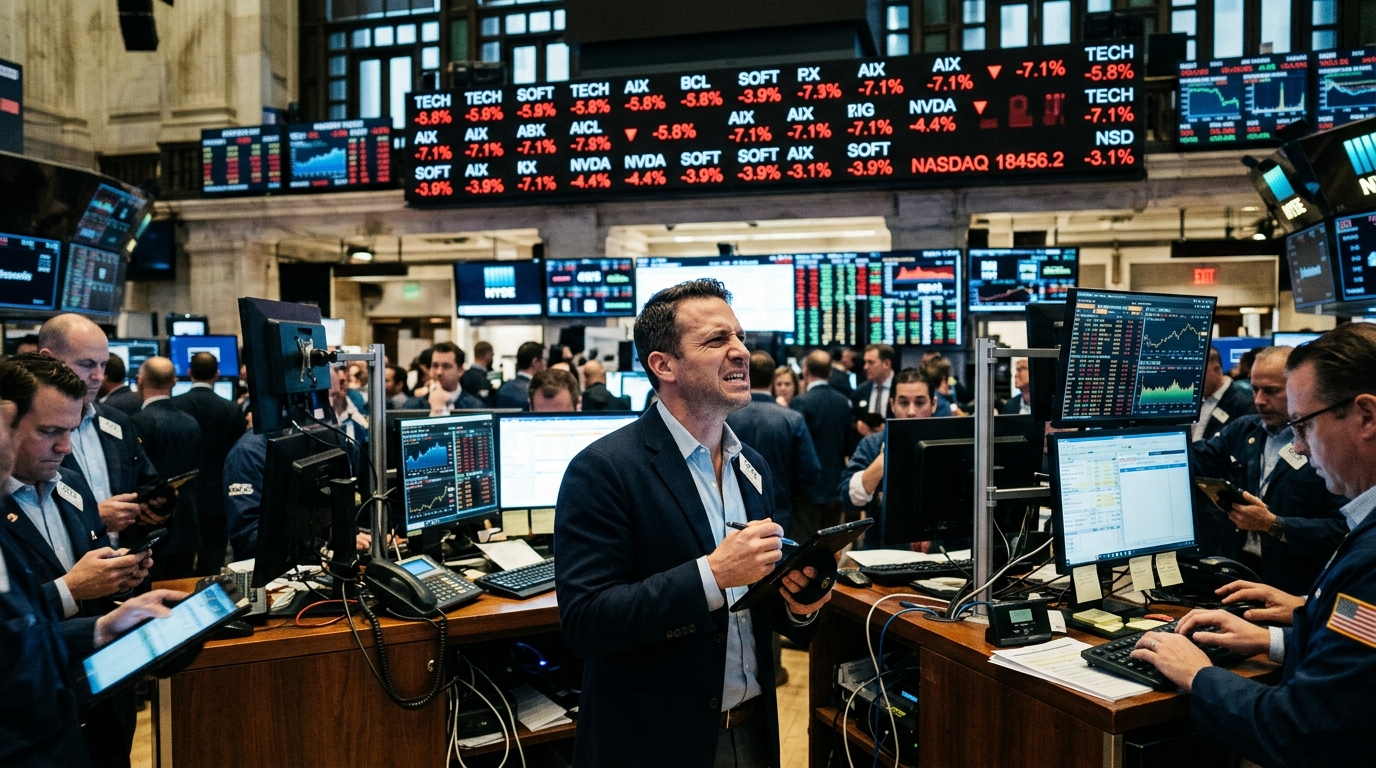
The cryptocurrency market stands at a critical juncture. After a frantic rally that brought Bitcoin within striking distance of the psychological $80,000 barrier—specifically reaching $79,400—the prevailing euphoria is beginning to give way to skepticism. Analysts are now observing what market terminology calls 'buyer fatigue,' a state where demand is insufficient to absorb the profit-taking liquidations from long-term holders.
The recent surge was fueled by a combination of factors: increasing capital inflows into spot ETFs, anticipation of more crypto-friendly regulatory shifts in the US, and a continued decline in exchange supply. However, the speed of the ascent has created imbalances that historically lead to violent, albeit often short-term, corrections.
Technical Indicators Sound the Alarm
The primary indicator causing concern is the Relative Strength Index (RSI), which has entered 'overbought' territory on both weekly and daily timeframes. When the RSI exceeds the 70 level, it suggests the asset has risen too quickly and a pullback is likely. Currently, the RSI remains at elevated levels while the price is forming a 'bearish divergence,' indicating that momentum is waning despite the high prices.
Furthermore, funding rates in the futures markets have skyrocketed. This means that investors betting on further price increases (longs) are paying high premiums to maintain their positions. This situation makes the market vulnerable to a 'long squeeze': a sharp drop in price that forces leveraged investors to close their positions, accelerating the decline through a domino effect of liquidations.
"The market needs to flush out excessive leverage to continue its healthy upward trajectory. A correction in the range of 10-15% would not just be expected, but desirable," notes a senior analyst at a major international investment bank.
The Psychology of Whales and Retail Investors
Another element suggesting fatigue is the behavior of large wallets, the so-called 'whales.' On-chain data shows an increased transfer of Bitcoin from cold wallets to exchanges, a move that traditionally foreshadows selling. While retail investors continue to buy due to FOMO (fear of missing out), major players appear to be locking in profits at current levels.
The region between $78,000 and $80,000 represents a massive wall of resistance. Many trading algorithms are programmed to sell automatically at these levels, creating a natural ceiling for the price. To break this barrier, a new, powerful catalyst is required—one that is currently not visible on the horizon.
Macroeconomic Environment and Liquidity
Beyond technical specifics, the broader economic environment plays its part. Recent statements from Federal Reserve officials regarding keeping interest rates high for a longer period have dampened risk appetite. Bitcoin, despite its branding as 'digital gold,' still behaves as a high-risk asset directly dependent on global liquidity.
If dollar liquidity tightens, cryptocurrencies are the first to suffer pressure. The current stagnation in the rally may be the first sign that 'smart money' is withdrawing to safer havens, awaiting a better entry opportunity at lower prices—perhaps near the $68,000 - $72,000 range, where the next strong support is found.
Conclusion: A Necessary Pause?
In summary, Bitcoin does not appear to be in a collapse phase, but rather in a phase of redistribution and fatigue. The market is overheated, and indicators are calling for a 'breather.' For long-term investors, a potential correction often represents an opportunity, but for those who recently entered with high leverage, the coming weeks hide significant risks. Bitcoin's history has taught us that the road to new all-time highs is never a straight line, but a journey filled with sharp turns and necessary stops.