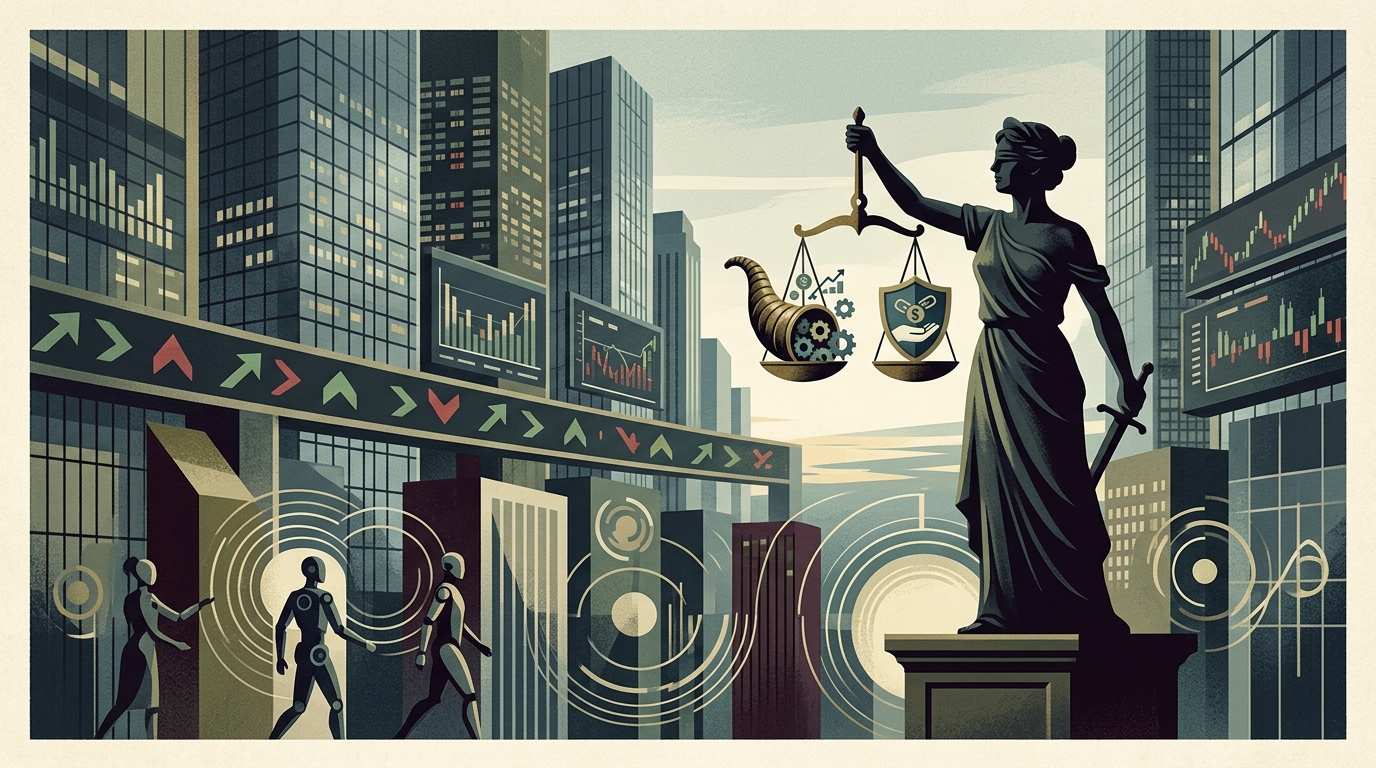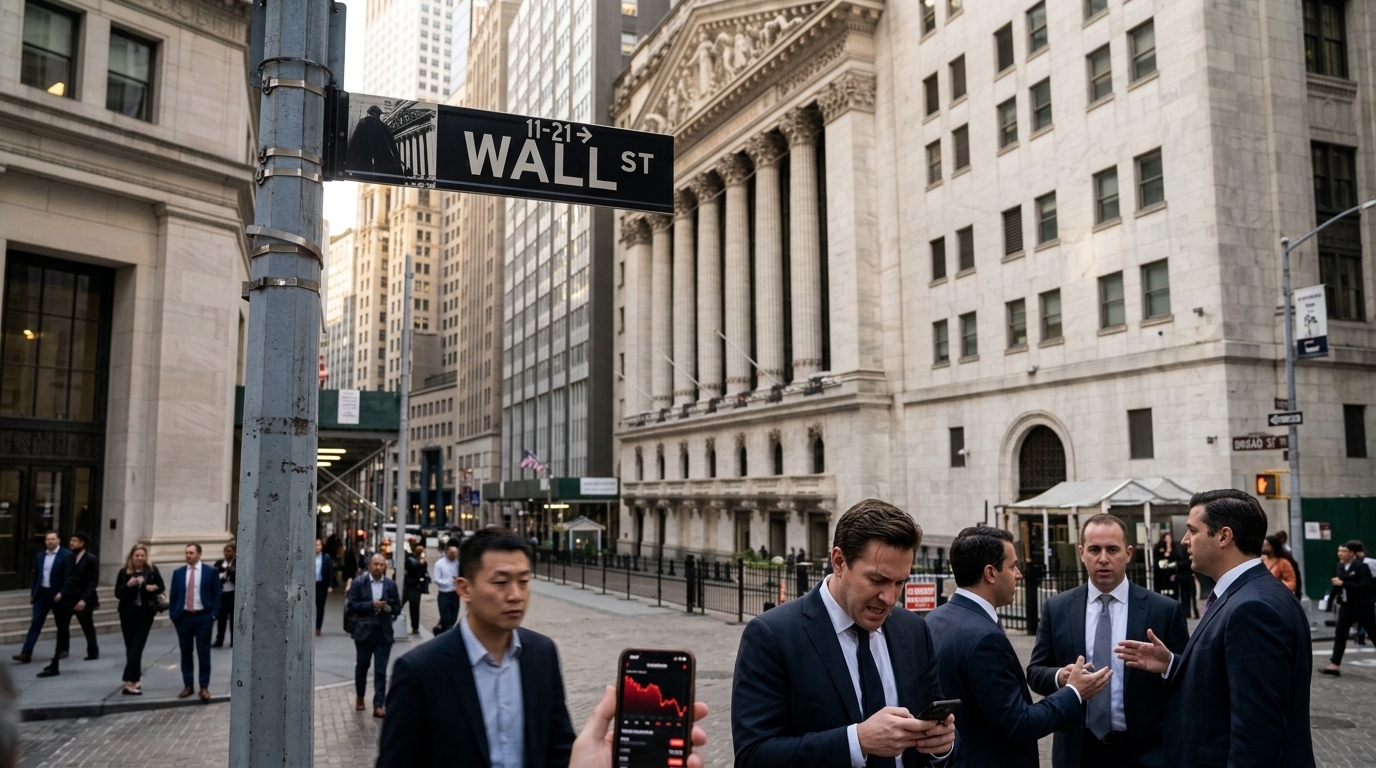
The global economy stands at a critical juncture as the world’s largest technology firms—Microsoft, Google, Meta, and Amazon—channel hundreds of billions of dollars into Artificial Intelligence (AI) infrastructure. This unprecedented concentration of capital has not escaped the notice of the guardians of global financial stability. The Bank for International Settlements (BIS), often described as the 'central bank for central banks,' has issued a comprehensive analysis sounding the alarm on the potential implications of this 'arms race' for the global economy.
The Astronomical Escalation of Investment
According to recent data, the capital expenditure (CAPEX) of Big Tech has surged to levels reminiscent of the early 2000s, just before the dot-com bubble burst. However, the difference today lies in the sheer scale and velocity. The BIS points out that this investment frenzy is driven by the conviction that Generative AI will become the new General Purpose Technology, akin to electricity or the internet. The demand for massive GPU clusters, specialized data centers, and enormous amounts of energy is forging a new economic reality.
The BIS highlights that while these investments could lead to significant long-term productivity gains, in the short term, they create supply chain bottlenecks and a dangerous reliance on a handful of hardware and software providers. Should the return on these investments fail to materialize promptly, the market could face a violent correction, affecting not only the tech sector but also pension funds and institutional investors who have heavily positioned themselves in these stocks.
Systemic Risks and Financial Instability
One of the most concerning aspects of the BIS report involves the risk of 'algorithmic herding.' As financial institutions increasingly adopt similar AI models for decision-making, there is a risk that these models will react identically to market shocks, amplifying volatility and leading to 'flash crashes.' The BIS warns that AI could make the financial system more vulnerable to pro-cyclical swings, as algorithms tend to follow market trends with greater speed and intensity than humans.
"AI is not just an efficiency tool; it is a factor that can alter market dynamics, making them faster but also more unpredictable," the report notes.
Furthermore, the concentration of AI infrastructure among a few cloud providers creates a new type of systemic risk. If one of these providers faces a technical failure or a cyberattack, the repercussions would instantaneously ripple through the global banking system, which now relies on these infrastructures for daily operations.
The Central Bank Response: SupTech
The BIS does not merely issue warnings; it proposes solutions. The most significant among these is the adoption of 'SupTech' (Supervisory Technology). Central banks are encouraged to use AI itself to monitor markets in real-time, detect anomalies, and predict crises before they manifest. Using Large Language Models (LLMs) to analyze vast amounts of data from balance sheets and news feeds can provide regulators with an edge they never previously possessed.
However, the challenge remains: can public institutions compete with the salaries and computational power of Silicon Valley? The BIS emphasizes the need for international cooperation and data sharing among central banks to create a common front against the challenges of this new era. AI governance is no longer a matter of ethics or deontology; it is a matter of national and global economic security.
Conclusion: A New Economic Order
The AI revolution promises to transform productivity, but the cost of entry is astronomical. The Bank for International Settlements reminds us that technological progress does not always go hand-in-hand with financial stability. As capital accumulates in cutting-edge infrastructure, concentration risks and algorithmic instabilities demand a new approach to supervision. Big Tech’s billion-dollar gamble will determine not only the future of technology but also the resilience of global capitalism in the 21st century.