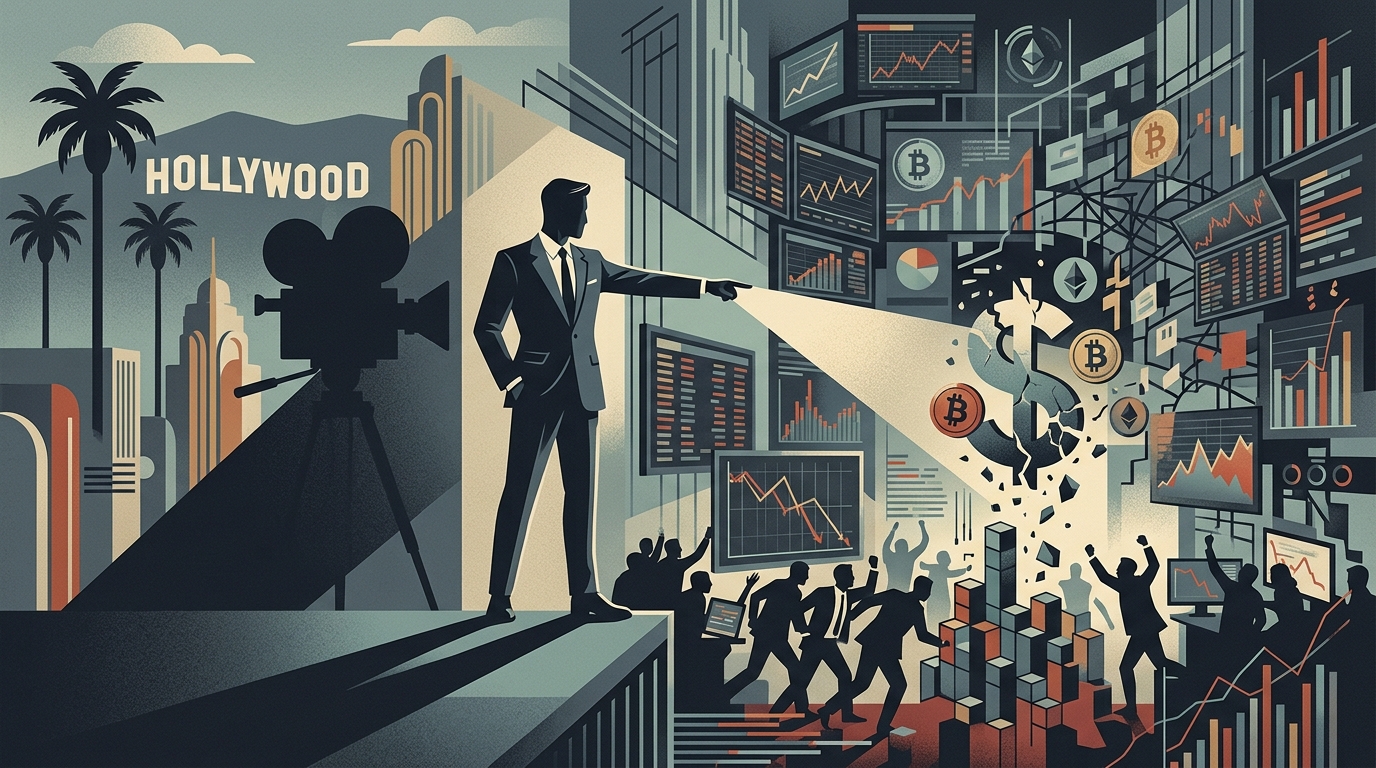
The transition from the bright lights of Hollywood to the gritty corridors of financial investigation is not a common path for an actor. However, Ben McKenzie, the man synonymous with Ryan Atwood in the hit series 'The OC', has emerged as one of the most articulate and formidable critics of the cryptocurrency industry. In a recent interview with Bloomberg Tech, coinciding with the release of his new documentary 'Everyone Is Lying to You for Money', McKenzie breaks down how speculative mania led to one of the largest financial deceptions in modern history.
The Anatomy of a Delusion
McKenzie's fascination with cryptocurrency began during the pandemic lockdowns, when he noticed an unprecedented surge in celebrity-backed advertisements promoting digital assets. Holding a degree in economics and foreign affairs from the University of Virginia, the actor began to question the intrinsic value behind these tokens. His investigative journey, which started with his co-authored book 'Easy Money', now culminates in a documentary that pulls no punches.
According to McKenzie, the crypto industry is essentially a massive Ponzi scheme dressed in the garb of technological innovation. "Everyone is lying to you for money," he asserts, referencing the promise of easy wealth that ensnared millions of retail investors. The film focuses on the regulatory vacuum and how major platforms, most notably FTX, managed to operate in a legal gray area for years while presenting an image of institutional stability.
Celebrity Complicity and the 'Hollywood Connection'
One of the most scathing aspects of McKenzie's investigation is his critique of his own peers. From Matt Damon and Larry David to Tom Brady, McKenzie argues that celebrities played a pivotal role in luring unsuspecting citizens into a high-risk market. "When an actor you trust tells you that 'fortune favors the brave', they aren't just selling a product; they are selling a false hope," he notes. This psychological manipulation, he argues, bypassed the critical thinking of investors who viewed these stars as symbols of success and reliability.
The documentary documents how marketing was weaponized to mask the structural flaws of crypto. The term "democratization of finance" served as a smokescreen for the lack of actual consumer protections. McKenzie highlights that the industry relied heavily on the 'Greater Fool Theory': the idea that prices rise only because someone else is willing to buy the asset at a higher price, until the bubble inevitably bursts, leaving the last buyers with nothing.
Economic Implications and the Future of Regulation
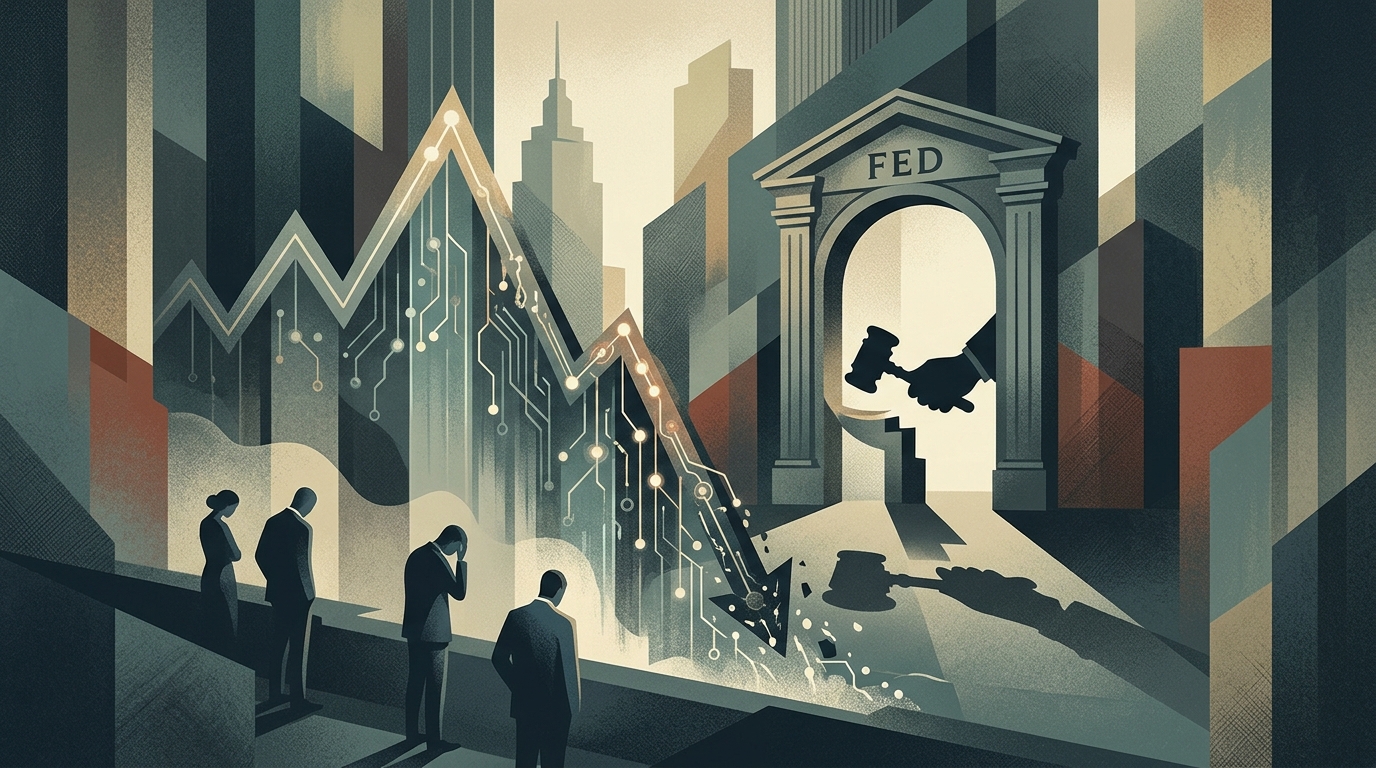
The discussion on Bloomberg extended beyond mere criticism to the broader economic fallout. The collapse of FTX and the subsequent trial of Sam Bankman-Fried served as a turning point that validated many of McKenzie's early warnings. However, he believes the rot remains deep. While the rise of stablecoins and the push for Central Bank Digital Currencies (CBDCs) are shifting the landscape, the dangers of an unregulated private market persist.
McKenzie argues that the solution is not just punishing individual bad actors, but a radical restructuring of how we perceive investment in the digital age. His documentary serves as a warning shot, calling for regulators to step in with more teeth. While blockchain technology may have legitimate use cases, its current implementation via cryptocurrencies has proven to be, in his view, a "casino without rules" that preys on the vulnerable.
"I'm not against technology. I'm against fraud that uses technology as an excuse to steal from ordinary people." — Ben McKenzie
Conclusion: A Voice of Reason in an Irrational Market?
Ben McKenzie’s work is significant not just because it comes from an entertainer, but because it is grounded in rigorous analysis. His ability to communicate complex financial concepts to a general audience is his greatest strength. As 'Everyone Is Lying to You for Money' begins its run in theaters and streaming platforms, the conversation surrounding the ethics of digital finance is set to intensify. It serves as a stark reminder that in the world of finance, if something sounds too good to be true, it almost certainly is.