In the high-stakes theater of Silicon Valley, where success is often measured by the volume of H100 GPUs ordered from Nvidia, Apple has chosen a path that many initially labeled as laggard. While Microsoft, Google, and Meta have engaged in an unprecedented arms race, funneling hundreds of billions of dollars into AI data centers and infrastructure, the Cupertino giant appeared to be watching from the sidelines. However, as the market begins to scrutinize the immediate profitability of these gargantuan investments, Apple’s strategy no longer looks like inertia—it looks like a masterstroke of calculated restraint.
The Capital Expenditure Trap
To grasp the scale of the divergence, one only needs to look at the balance sheets. Microsoft and Google have ramped up capital expenditures (CapEx) to levels reminiscent of the transcontinental railroad expansion. The promise of Generative AI demands massive computational power, which in turn requires immense energy, cooling, and physical real estate. This creates a systemic risk: what happens if the demand for AI services doesn't scale at the rate required to amortize these investments? Apple, by contrast, has kept its spending remarkably lean, choosing to invest in software integration and silicon efficiency rather than raw brute-force compute.
"Apple’s strategy has always been about the user experience rather than technological brinkmanship. In the AI era, this means waiting to see where the actual value lies before gambling shareholder capital on speculative infrastructure."
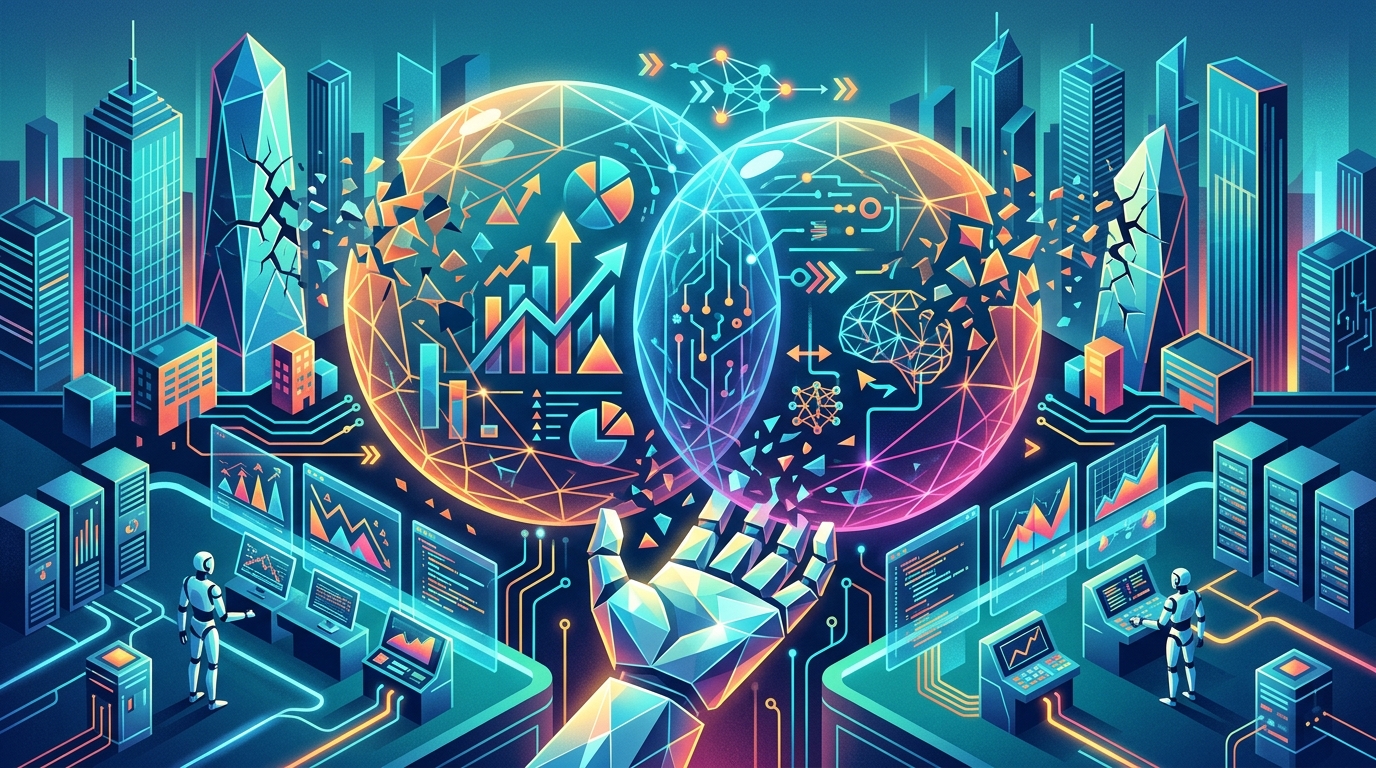
The recent sell-off in AI-adjacent stocks, which began in mid-2024 and has seen periodic corrections through 2026, suggests that investor patience is wearing thin. The 'AI bubble' hasn't necessarily burst, but it has certainly deflated as Return on Investment (ROI) questions become unavoidable. In this environment, Apple—with its fortress-like balance sheet and minimal exposure to risky infrastructure—is emerging as the ultimate safe haven.
Apple Intelligence: AI at the Edge
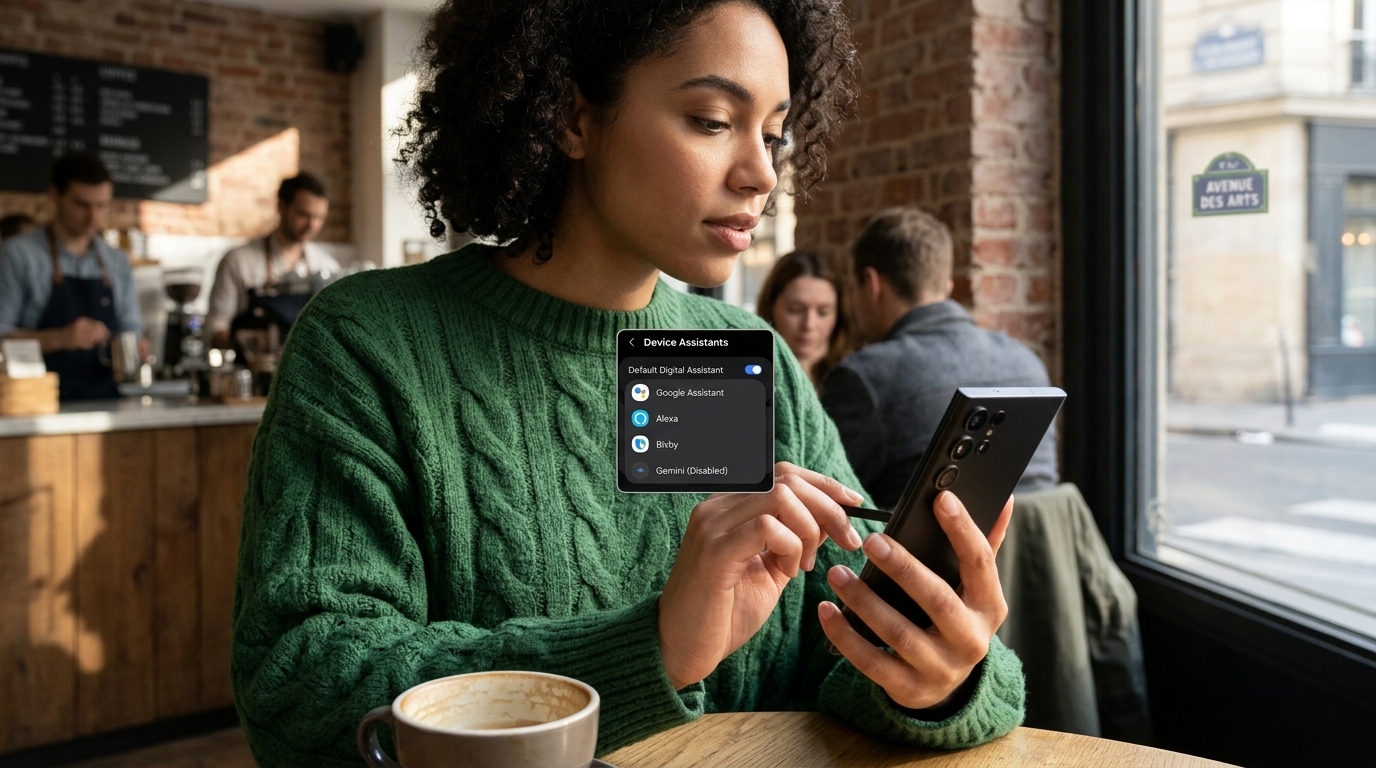
Instead of trying to out-compute ChatGPT or Gemini on their own turf, Apple introduced 'Apple Intelligence.' This approach prioritizes on-device processing, leveraging the power of Apple Silicon to handle AI tasks locally. By doing so, the company provides advanced features without the need to route every query through a power-hungry cloud data center. This doesn't just protect user privacy; it fundamentally alters the unit economics of AI.
- Cloud Cost Mitigation: Apple avoids the multi-billion dollar overhead of maintaining massive server farms for inference.
- Margin Preservation: By making AI a feature of the hardware, Apple drives the upgrade cycle without eroding service margins.
- Strategic Partnerships: The deal with OpenAI allows Apple to offer cutting-edge LLM capabilities without the R&D cost of training them from scratch.
This tactic of 'selective outsourcing' allows Apple to remain nimble. If a specific AI model becomes obsolete, Apple can pivot to a new partner or integrate a different architecture without being tethered to tens of billions in depreciating hardware assets.
The Long Game: Hardware as the Gatekeeper
As we move through 2026, it is becoming increasingly clear that AI is not a standalone product but a critical feature set. Consumers are not buying 'artificial intelligence'; they are buying devices that make them more productive, creative, and connected. Apple owns the gateway to those experiences. While its rivals fight over who has the largest model, Apple is focused on who has the most indispensable device in the user’s pocket.
Ultimately, Apple has demonstrated once again that being 'late' is often a strategic choice. In a market frequently blinded by hype, discipline is the most valuable asset. Apple didn't just sit out the arms race; it waited for the smoke to clear to see which hills were actually worth taking.