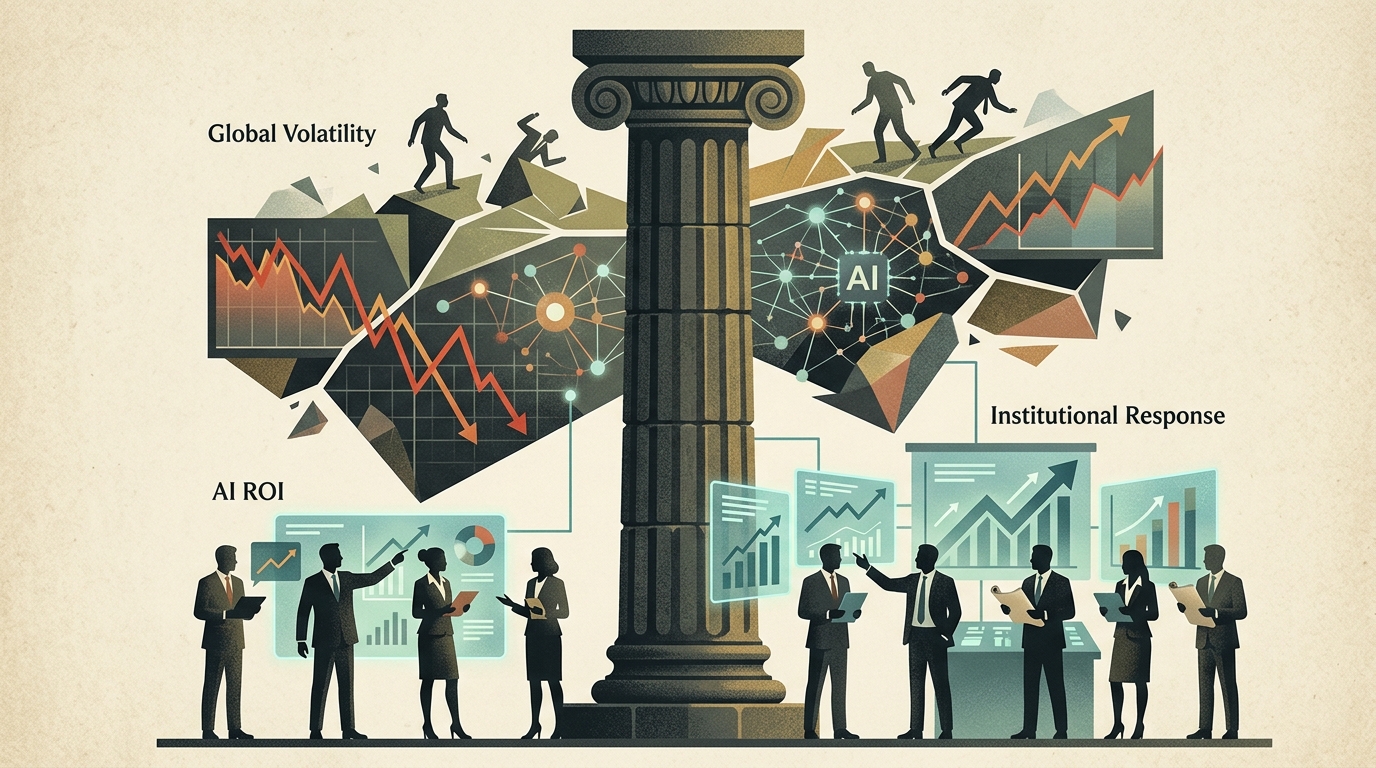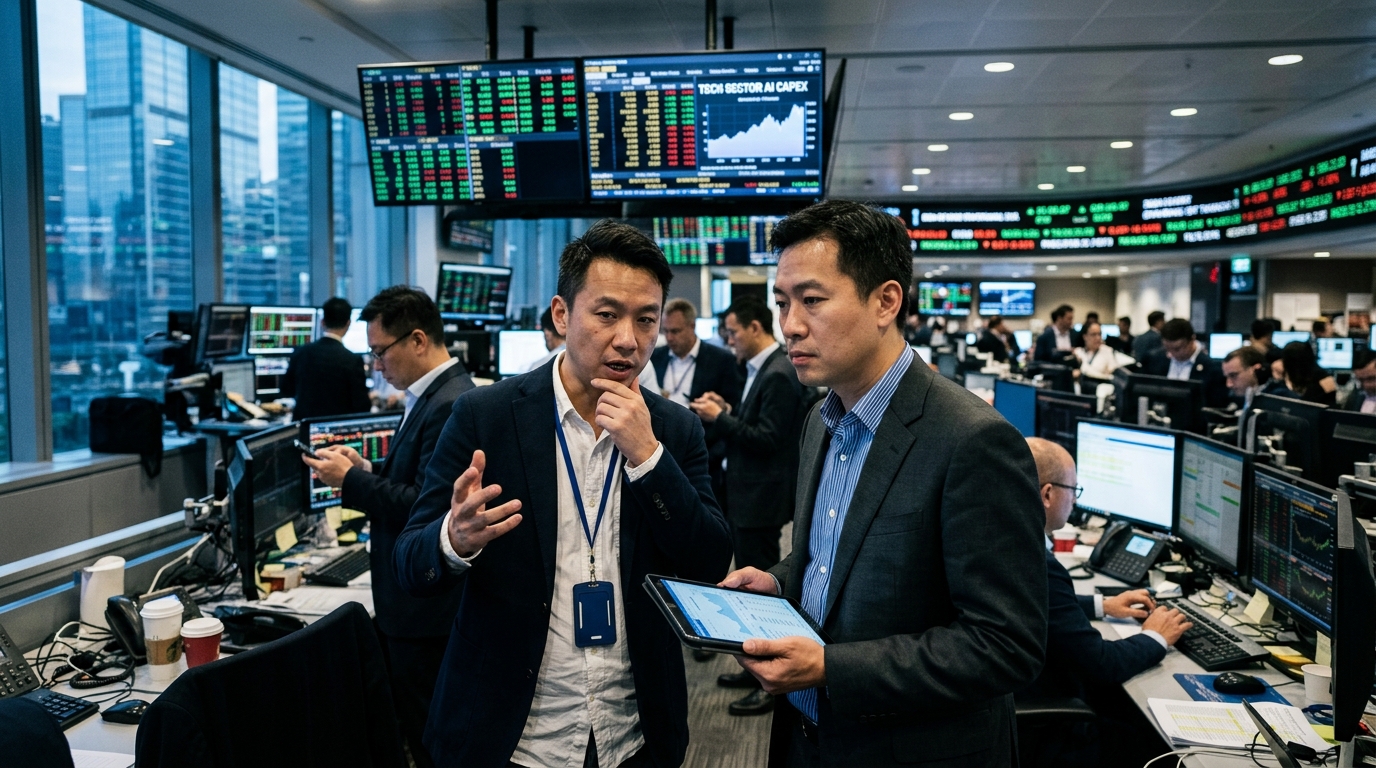
The era of the blank check for Artificial Intelligence in China is coming to an end. As global markets enter a phase of maturity regarding AI expectations, the two dominant titans of the Chinese tech scene, Alibaba Group Holding Ltd. and Tencent Holdings Ltd., are finding themselves under the analytical microscope. The question is no longer whether they can build sophisticated large language models (LLMs), but whether they can translate them into sustainable profits that justify billions of dollars in capital expenditure (CAPEX).
Price Wars and Margin Erosion
In recent months, the Chinese AI market has devolved into a price-war battlefield. Alibaba initiated an aggressive cycle of discounts on its cloud services and API tokens for its 'Tongyi Qianwen' models, forcing Tencent and ByteDance to follow suit. While this strategy aims to lock in developers and dominate the ecosystem, it raises serious questions about profitability. Investors fear that this 'race to the bottom' on pricing will turn AI into a low-margin utility business, akin to traditional cloud infrastructure, rather than the high-margin goldmine many had envisioned.
Alibaba's strategy focuses on deep integration of AI into its core e-commerce and logistics services, seeking to enhance merchant efficiency and consumer personalization. Conversely, Tencent is leveraging its ubiquitous WeChat ecosystem, using its 'Hunyuan' model to refine ad targeting and provide generative tools for its massive user base. However, converting these incremental improvements into measurable top-line growth remains a challenge that markets demand to see addressed immediately.
The Geopolitical Hurdle and Hardware Constraints
It is not just domestic pressures weighing on these giants. Ongoing US export restrictions on advanced semiconductors, such as Nvidia’s H100 and B200 series, are forcing Chinese firms to rely on less efficient hardware or nascent domestic alternatives. This increases the cost of training and inferencing, precisely at a time when service prices are being slashed. The misalignment between rising infrastructure costs and declining service revenues is a potential fiscal time bomb for corporate balance sheets.
- The push for domestic GPU alternatives is significantly inflating R&D budgets.
- Competition from ByteDance remains fiercer than ever, particularly in generative media.
- Beijing’s regulatory oversight continues to be an unpredictable factor in rolling out consumer-facing AI.
Despite these headwinds, Tencent executives maintain that AI is a 'power multiplier' for their existing business lines. During recent investor briefings, they highlighted that AI is already bearing fruit in the advertising sector, enabling higher click-through rates (CTR) and better ROI for advertisers. Nevertheless, the broader market is waiting to see if these gains are substantial enough to offset the titanic investments in next-generation data centers.
Conclusion: From Promise to Performance
The Chinese tech industry stands at a critical juncture. After a decade of explosive growth driven by user acquisition, this new phase demands technological supremacy coupled with rigorous fiscal discipline. Alibaba and Tencent must prove they are not merely followers of Silicon Valley trends but innovators capable of extracting value in a constrained environment. 'Show me the profits' is no longer a niche demand; it is the dominant mantra of international capital markets heading into the second half of 2026.