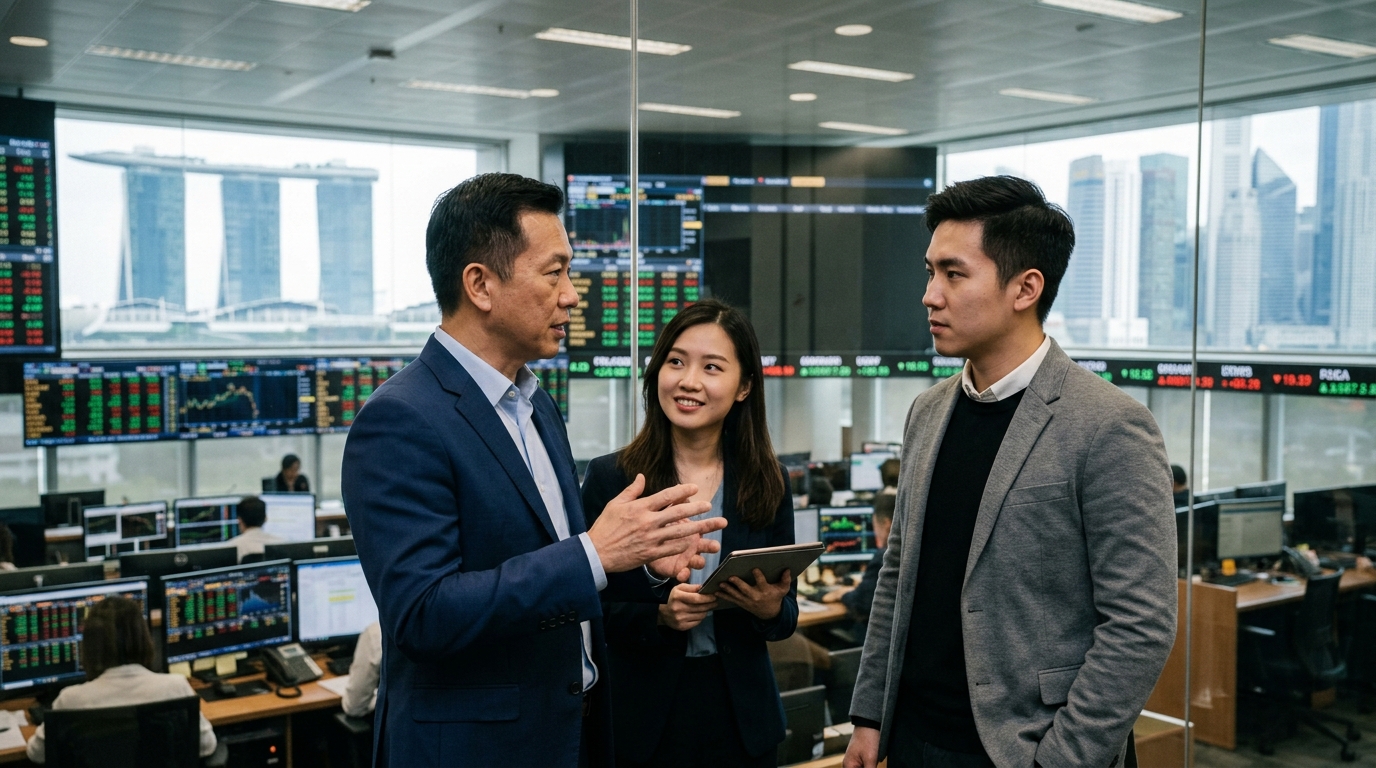
In an era where digital sovereignty is measured by a nation's ability to integrate Artificial Intelligence (AI) into its productive fabric, Singapore is taking another decisive step. Alibaba Cloud, the digital technology and intelligence backbone of Alibaba Group, has announced an ambitious initiative to provide AI training and certification to over 1,000 Small and Medium Enterprises (SMEs) and students in the city-state. This move is not merely a corporate offering but a strategic alignment with Singapore’s National AI Strategy 2.0 (NAIS 2.0).
Democratizing AI for SMEs
SMEs are the lifeblood of Singapore’s economy, accounting for 99% of all enterprises and 71% of total employment. However, adopting advanced technologies like Generative AI remains a challenge due to high implementation costs and a shortage of specialized talent. Alibaba Cloud’s program aims to bridge this gap by offering hands-on training in tools that can enhance operational efficiency—ranging from automated customer service to data analytics for demand forecasting.
The initiative includes access to Alibaba’s model ecosystem, such as the Qwen series, allowing businesses to experiment with AI solutions without the need for massive upfront infrastructure investments. According to company executives, the goal is to transform AI from a "luxury tool" for the few into an "everyday utility" for the many. By lowering the barrier to entry, Alibaba Cloud is effectively future-proofing the local business landscape.
Investing in Human Capital: The Next Generation
Alongside businesses, Alibaba Cloud is targeting the youth by partnering with Singaporean educational institutions. Through the Alibaba Cloud Academic Empowerment Program (AAEP), students will gain access to cloud computing resources and workshops covering everything from cloud fundamentals to the development of complex machine learning models. This initiative recognizes that technological infrastructure is ineffective without the talent to manage and innovate upon it.
In a global environment where the demand for AI experts far outstrips supply, Singapore seeks to establish itself as a regional talent hub. The involvement of a global player like Alibaba strengthens this vision, providing students with exposure to technologies deployed at a scale of billions of users in China and internationally. This practical experience is invaluable for a workforce preparing for the AI-driven job market of 2026.
Geopolitics and Technological Strategy
Alibaba Cloud’s choice of Singapore is strategic. As technological tensions between the US and China persist, Singapore remains a "neutral harbor" for innovation. For Alibaba, strengthening ties with the Southeast Asian ecosystem is vital for offsetting pressures faced in Western markets and the domestic Chinese market. Singapore serves as the regional headquarters for Alibaba Cloud, making it the logical epicenter for its international expansion efforts.
Furthermore, this move highlights the growing importance of "cloud diplomacy." By providing training and infrastructure, Alibaba Cloud is not just selling a service; it is embedding itself into the economic fabric of a nation, fostering long-term dependencies and partnerships. For Singapore, this collaboration offers access to cutting-edge expertise while maintaining a balanced approach between Eastern and Western technological ecosystems.
Conclusion
Alibaba Cloud’s initiative in Singapore serves as a blueprint for how tech giants can contribute to local development while serving their own strategic interests. As 2026 unfolds as a year of maturation for AI, the focus on education and SMEs will determine which economies reap the benefits of the new industrial revolution. Singapore, with the help of strategic partners, seems determined to stay at the forefront of this transformation.