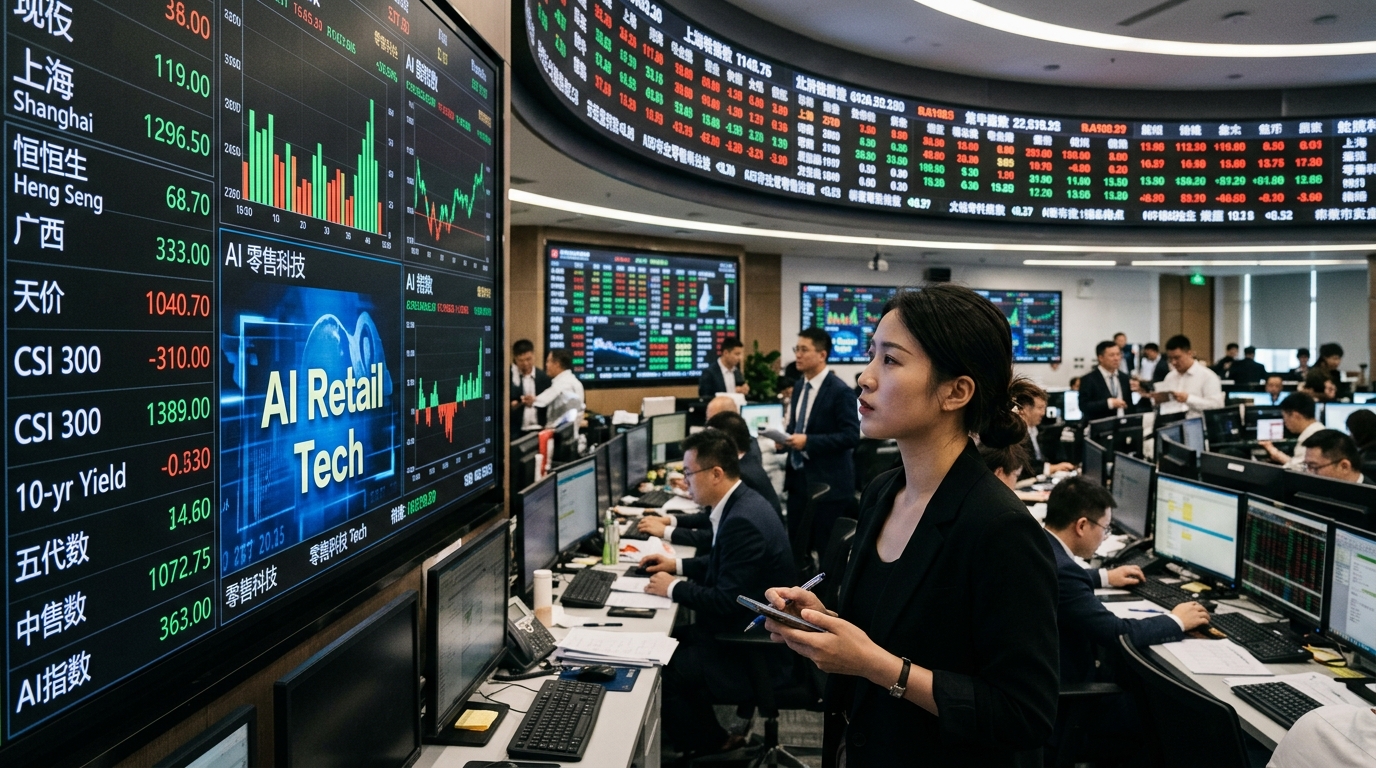
In the bustling tech hubs of Hangzhou and the corporate corridors of Beijing, a quiet yet radical transformation is underway. Chinese e-commerce, already the world's largest and most sophisticated, is no longer just about deep discounts and logistical speed. Today, the primary engine is Artificial Intelligence (AI), which is reshaping the consumer experience from a passive search-and-retrieve mission into a proactive, hyper-personalized, and increasingly automated journey.
The Rise of Digital Hosts and Livestreaming 2.0
One of the most striking shifts is the proliferation of AI avatars in the livestreaming sector. While charismatic "Key Opinion Leaders" (KOLs) once dominated the screens, thousands of small and medium-sized enterprises (SMEs) are now deploying digital clones that work 24/7. These AI hosts, developed by giants like Baidu and Tencent, can answer customer queries in real-time, demonstrate products, and close sales at a fraction of the cost of a human presenter.
The cost of generating such an avatar has plummeted, enabling even mom-and-pop shops on Taobao or Douyin to maintain a constant presence. This technology isn't just skin-deep; advanced Natural Language Processing (NLP) allows these agents to understand regional dialects and the emotional nuances of shoppers, making the interaction eerily lifelike.
From Search to Prediction: The Algorithmic Psychologist
The traditional "search and buy" model is being supplanted by "discovery commerce." Platforms like Pinduoduo and ByteDance utilize sophisticated machine learning models that don't wait for a user to look for a product. Instead, they analyze billions of data points—from video dwell time to social interactions—to predict what a consumer might want before they even realize it themselves.
"We are no longer selling products; we are selling solutions to needs the customer hasn't even articulated yet," says an Alibaba executive.
This hyper-personalization creates a "closed loop" of consumption. AI doesn't just suggest similar items; it constructs entire usage scenarios. For instance, if the system detects a purchase of camping gear, it might suggest a specific itinerary in a national park, bundled with recommendations for shelf-stable foods and portable power stations, all calibrated to local weather forecasts.
The Supply Chain in the Age of AI
Beneath the surface of the user interface, AI is rebuilding the very foundations of retail: the supply chain. In China, the "C2M" (Consumer-to-Manufacturer) concept has reached new heights. Data from retail platforms is fed directly back to factories. AI analyzes trends in real-time and triggers the production of small batches of goods, drastically reducing inventory overhead and waste.
- Reduction of design-to-market time from months to mere weeks.
- Automated warehouse management featuring AI-guided robotics.
- Dynamic pricing models that adjust to demand and competition within seconds.
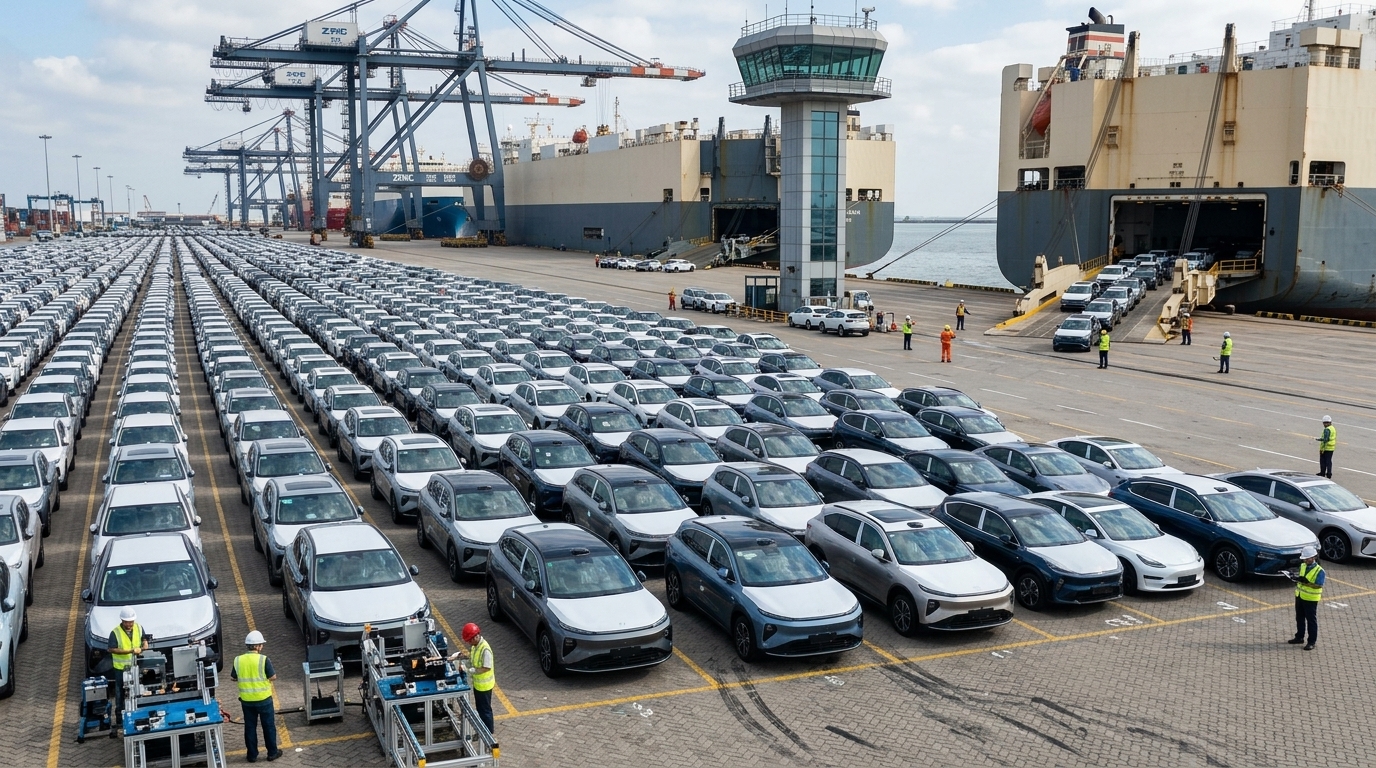
This efficiency allows Chinese firms to maintain incredibly low prices, explaining the aggressive global expansion of platforms like Temu and Shein. The model perfected in China's domestic market is now being exported globally, disrupting traditional retail giants in Europe and the United States.
Challenges and the Ethical Dilemma
However, this algorithmic dominance comes with significant caveats. Concerns over data privacy remain high, despite Beijing's recent implementation of stricter regulations like the Personal Information Protection Law (PIPL). Furthermore, there is the risk of "algorithmic entrapment," where consumers are only shown what the AI deems profitable, limiting choice and fueling hyper-consumerism.
China is leading the way, but it also serves as a cautionary tale. The full automation of desire could lead to a society where consumption is reflexive rather than conscious. As algorithms become smarter, the fundamental question remains: who is truly in control of our shopping carts?