The recent announcement by the Harold Pupkewitz Graduate School of Business (GSB) regarding a public, hands-on lecture on Artificial Intelligence (AI) in finance is more than just academic news. It is a symptom of a profound and irreversible shift taking place at the core of the global economic system in 2026. AI is no longer a future promise; it is the primary engine behind loan approvals, market forecasting, and institutional risk management.
The Revolution in Credit and Lending
Traditionally, the loan approval process relied on static data: credit scores, payment history, and current income. Today, machine learning models used by banks analyze thousands of variables in real-time. From user behavior on digital platforms to spending patterns that suggest future financial stability, AI allows for a much more nuanced picture of the borrower.
However, this evolution brings serious ethical questions. The "black box" nature of certain algorithms makes it difficult to audit for bias. If an algorithm rejects a loan application, the bank must be able to explain "why" — a requirement reinforced by the regulatory frameworks of the European Union and other international bodies. Education provided by institutions like Pupkewitz GSB is critical for professionals to understand how to balance automation with transparency.
Predictive Analytics: The End of Traditional Forecasting?
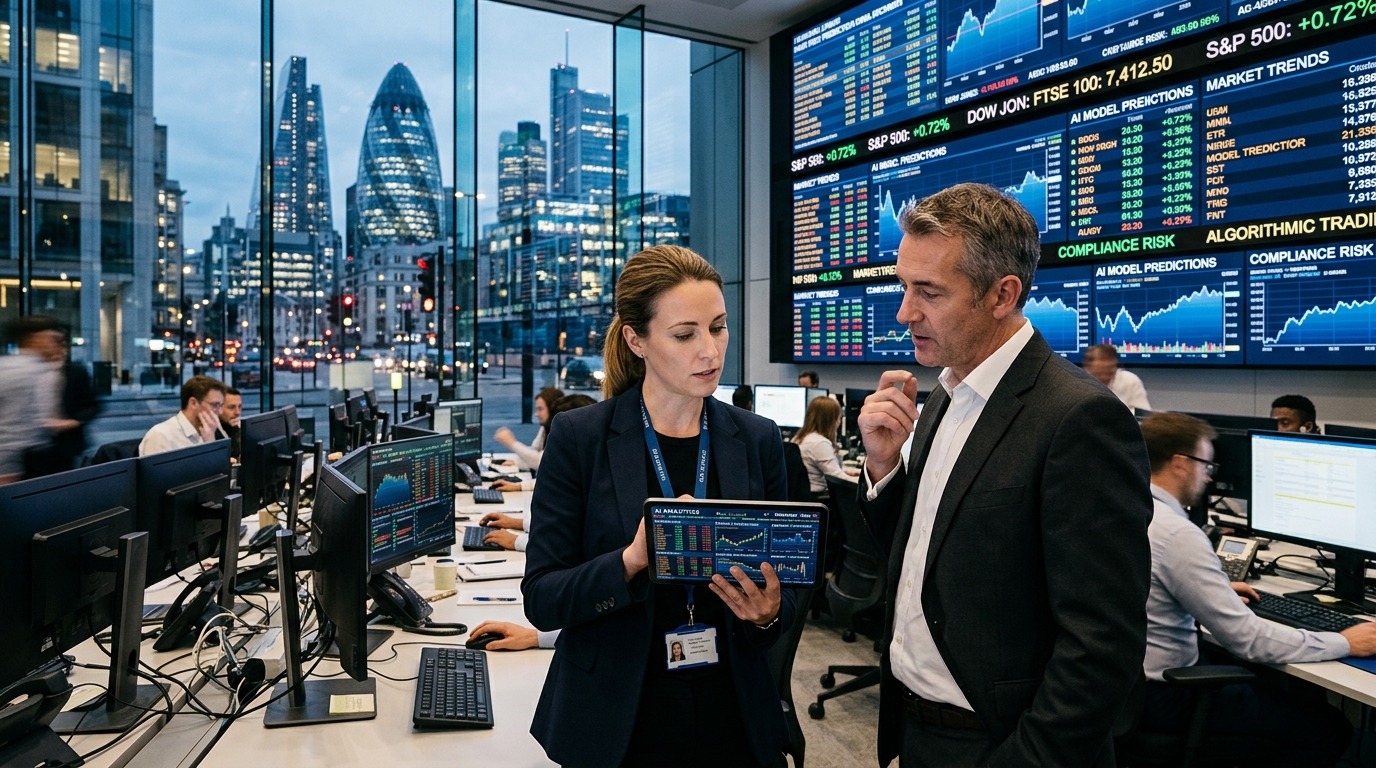
In capital markets, speed is everything. High-frequency trading algorithms have given way to "Cognitive Economy" systems, which can process unstructured data — such as central bank speeches, geopolitical news, and social media trends — to predict price movements before they happen. AI's ability to identify correlations that the human mind would fail to grasp has changed the way investors manage their portfolios.
- Automated sentiment analysis for volatility prediction.
- Dynamic portfolio rebalancing based on real-time macroeconomic indicators.
- Reduction of human error in repetitive transactions.
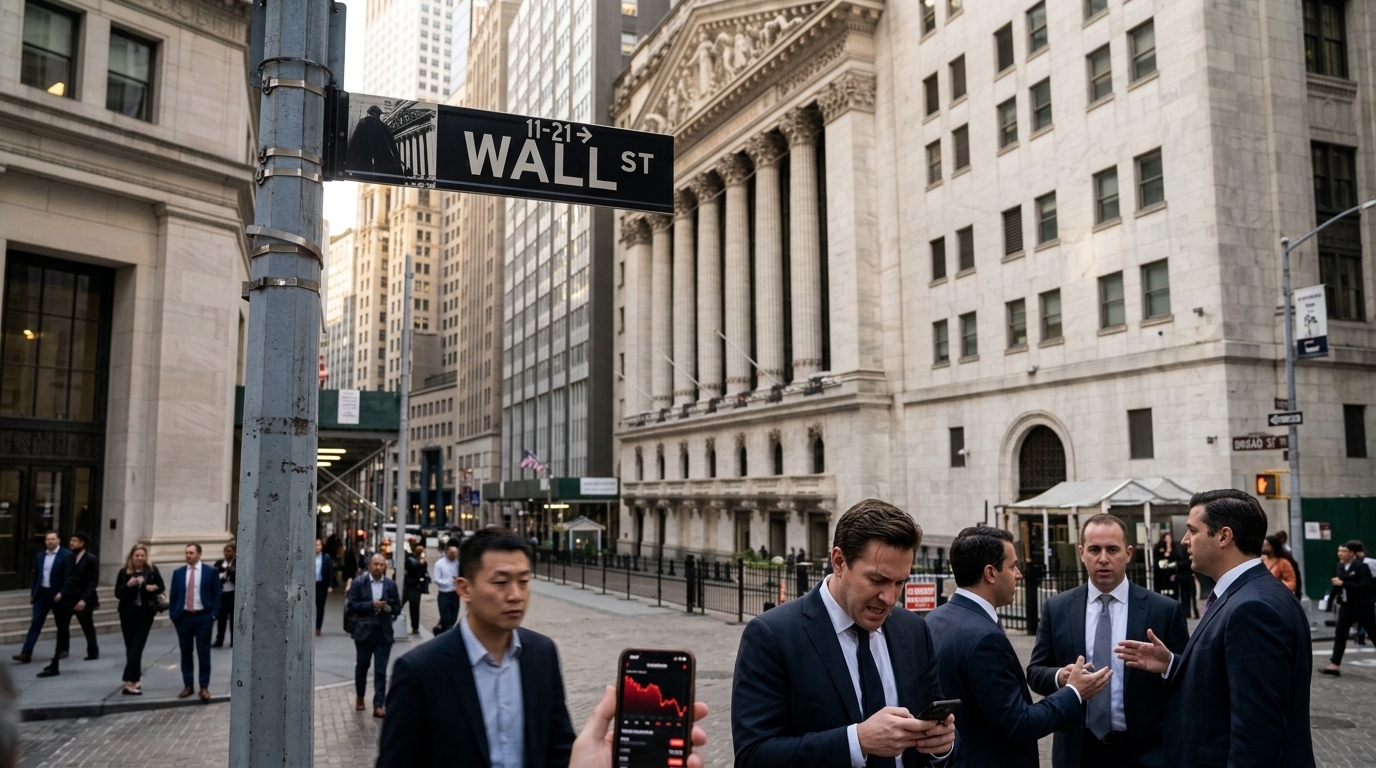
This technological superiority, however, carries risks of systemic instability. If all algorithms react the same way to an event, the market could face a flash crash. The lecture at Pupkewitz GSB is expected to address exactly this: how AI can become a tool for stability rather than a source of chaos.
Risk Management and Cybersecurity
Risk management is perhaps the sector benefiting most from AI. Businesses now use predictive models to detect fraud with an accuracy reaching 99%. An unusual transaction on the other side of the world can be frozen in milliseconds, protecting both the bank and the consumer.
"Artificial Intelligence is not just an optimization tool, but the new firewall of the global economy," industry analysts note.
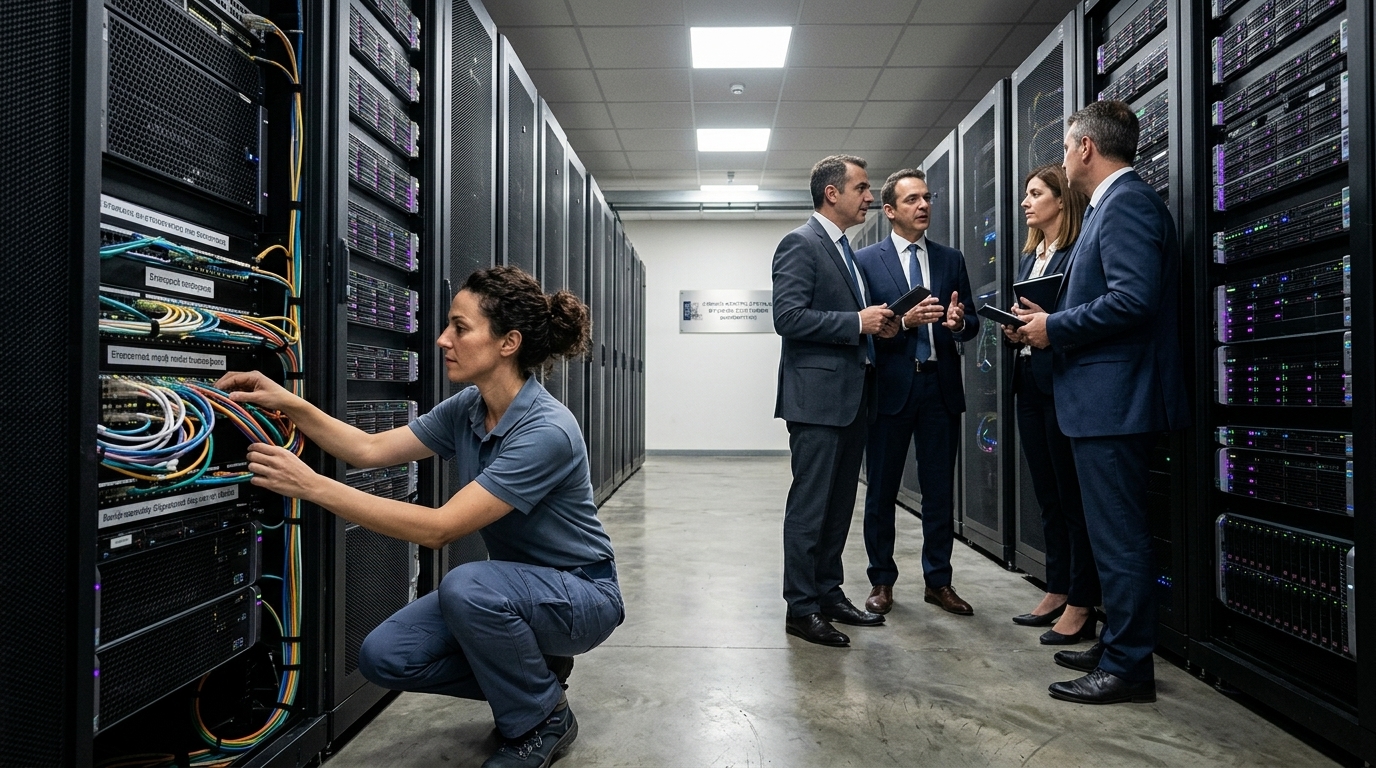
At the same time, AI helps businesses manage operational risk by predicting potential supply chain disruptions or changes in the regulatory environment. In Africa, where Pupkewitz GSB operates, the adoption of such technologies offers a unique opportunity for "leapfrogging" over outdated infrastructures, creating a more resilient financial ecosystem.
Human Capital and the Need for New Education
The remaining question is: what happens to the people? The automation of financial services does not mean the end of bankers, but their evolution. The need for professionals who understand both finance and data science is greater than ever. The initiative by Harold Pupkewitz GSB to offer hands-on knowledge to the public underscores the need for democratizing AI literacy.
In conclusion, the integration of AI into finance is a one-way street. Organizations that invest in understanding and ethically using these tools will be the ones to survive in the fiercely competitive world of 2026. Technology is here to serve the economy, provided the economy remains focused on serving humanity.