The era of "immaterial" technology is officially over. As the Artificial Intelligence (AI) revolution accelerates, Silicon Valley giants—Microsoft, Google, Amazon, and Meta—are realizing that their dominance will not be decided solely by lines of code, but by concrete, copper, and kilowatt-hours. Data centers, the "temples" of the digital age, have become the most critical field of competition, with capital expenditures (Capex) skyrocketing to levels that make investors dizzy.
The Geopolitics of Compute
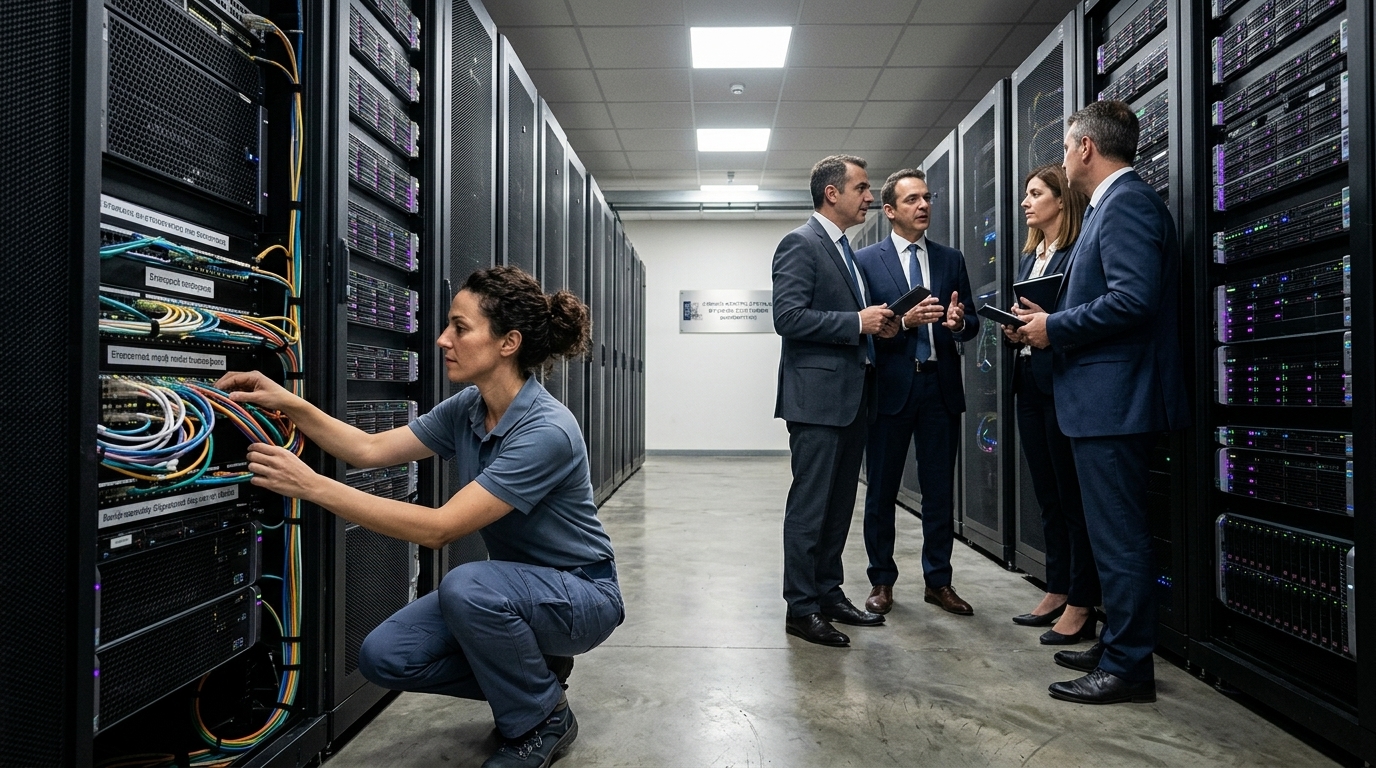
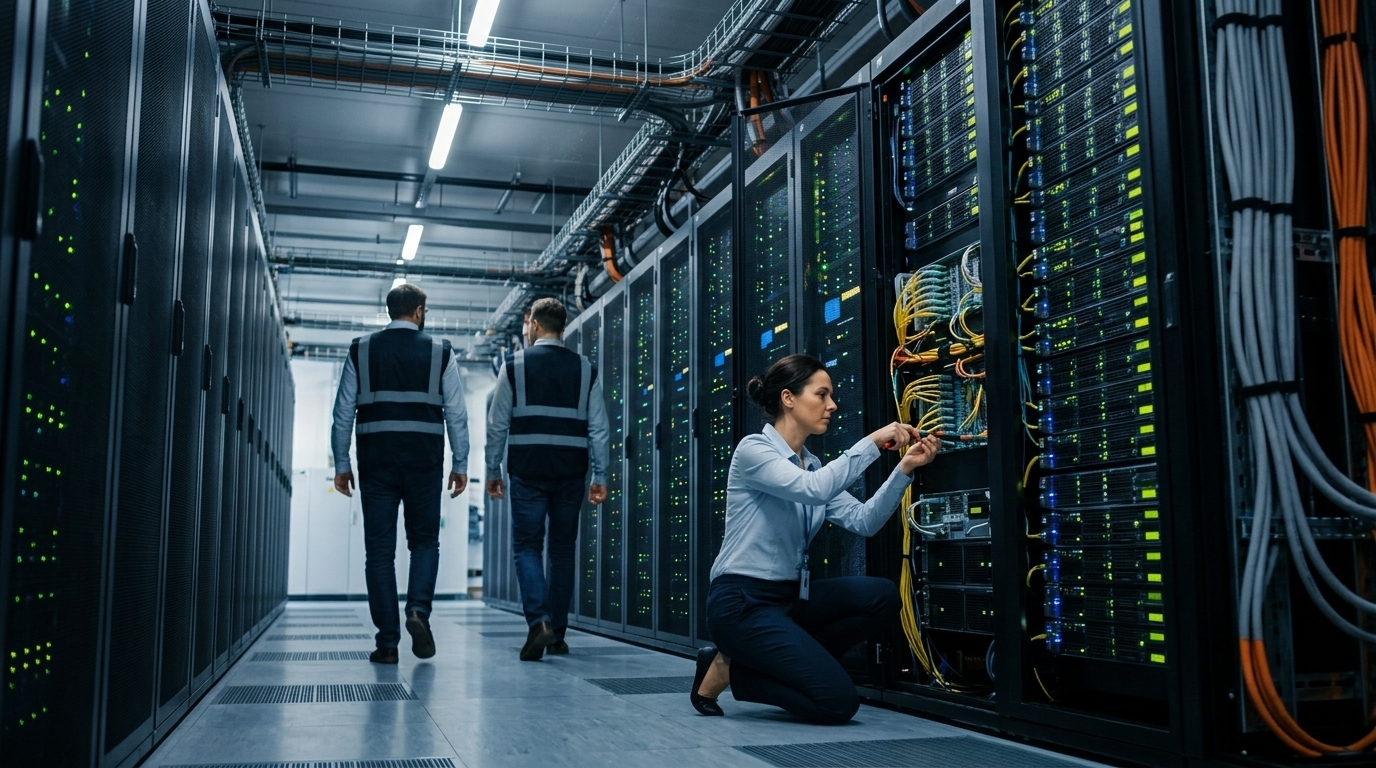
For decades, computing was seen as an asset-light industry. Today, Generative AI is overturning this dogma. Training a model like GPT-4 or Llama 3 requires thousands of specialized graphics processing units (GPUs), which in turn require vast tracts of land and, most importantly, an uninterrupted power supply. The data center is no longer just a server warehouse; it is a strategic asset, a "digital reactor" that converts electricity into intelligence.
According to recent analyses, Big Tech is expected to invest more than $200 billion in the next year alone on AI infrastructure. This amount exceeds the GDP of many European nations. The battle is now shifting to finding suitable locations that offer three key elements: high-speed fiber connectivity, proximity to major markets, and, most crucially, access to the power grid. In regions like Northern Virginia or Dublin, the demand for power from data centers has reached such levels that local grids are struggling to keep up, causing friction with local communities.
The Nuclear Bet and Energy Sovereignty
The most interesting development in this infrastructure hunt is the pivot toward nuclear power. Microsoft recently signed a landmark deal with Constellation Energy to restart a reactor at Three Mile Island, while Amazon and Google are investing in Small Modular Reactors (SMRs). The logic is simple: solar and wind energy are essential for sustainability goals, but AI needs "baseload power" that runs 24/7 without interruption.
This need creates a paradox. While tech companies promote the green transition, AI’s insatiable thirst for energy is forcing them to seek solutions that were previously considered politically or economically risky. Energy sovereignty is now becoming an integral part of technological strategy. Whoever controls the source of energy controls the future of intelligence.
Greece on the Infrastructure Map
In this global setting, Greece is attempting to position itself as a regional hub. Microsoft’s investment with the "Gris" project in Attica, Google’s moves, and the presence of Digital Realty (formerly Lamda Helix) show that the country’s geographical position is strategic. The connection to undersea cables coming from Asia and Africa, combined with the improvement of energy infrastructure, makes Greece an attractive destination.
- Microsoft: Investment in three data centers in Attica, worth hundreds of millions of euros.
- Google: Creation of a Cloud Region in Greece to support digital transformation.
- Amazon Web Services: Installation of a "Local Zone" in Athens for low-latency applications.
However, the challenge remains bureaucracy and the speed of project implementation. In a world where technology changes every six months, three-year delays in licensing can render an investment obsolete before it is even completed.
Risks and Bubbles: The Market View
Despite the optimism, many Wall Street analysts are beginning to raise questions about the return on investment (ROI) of these massive expenditures. Building data centers is a costly and long-term process. If the demand for AI services does not grow at the predicted rate, Big Tech risks finding itself with expensive infrastructure that is underutilized.
Furthermore, there is the issue of environmental impact. The water consumption for cooling servers and the carbon footprint of construction are issues that will heavily occupy EU regulators in the coming years. The "battle of concrete" is just beginning, and its outcome will determine who leads the next industrial revolution.