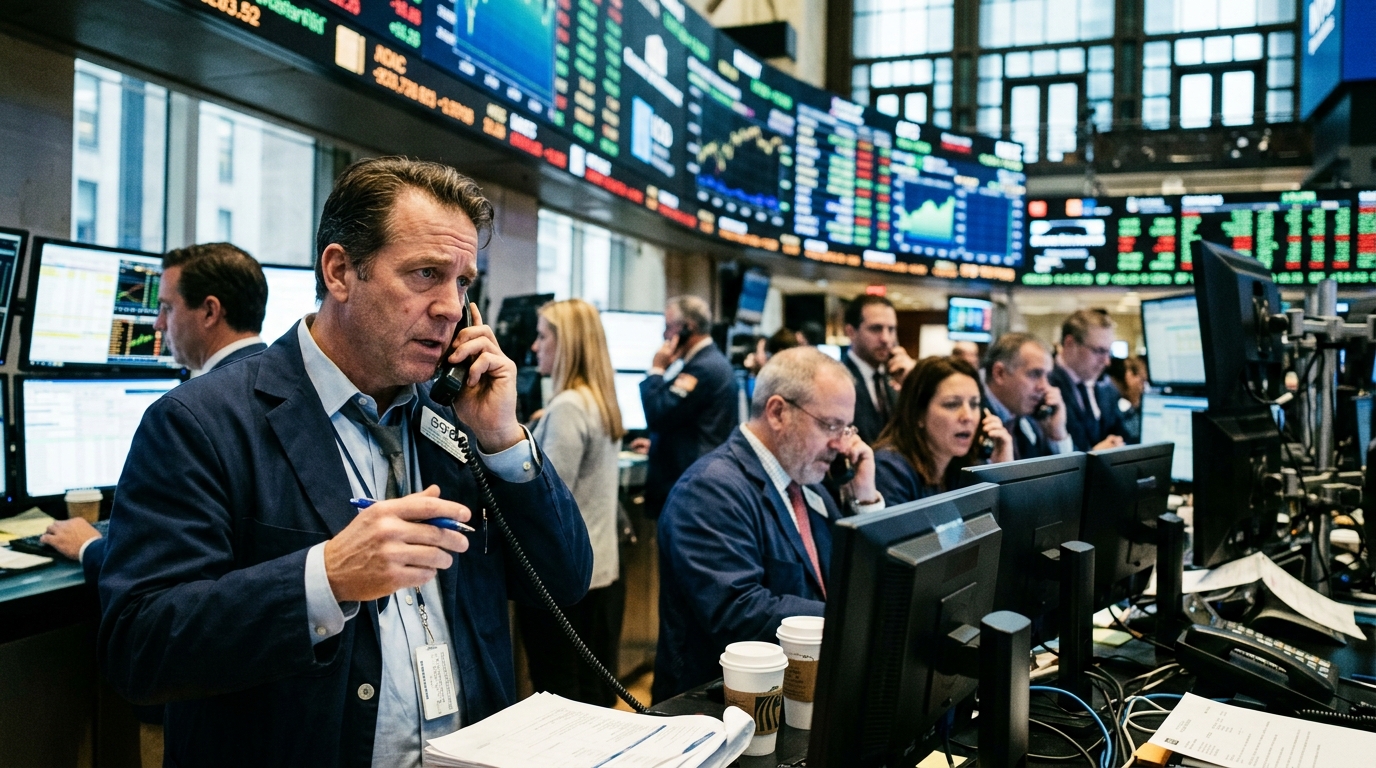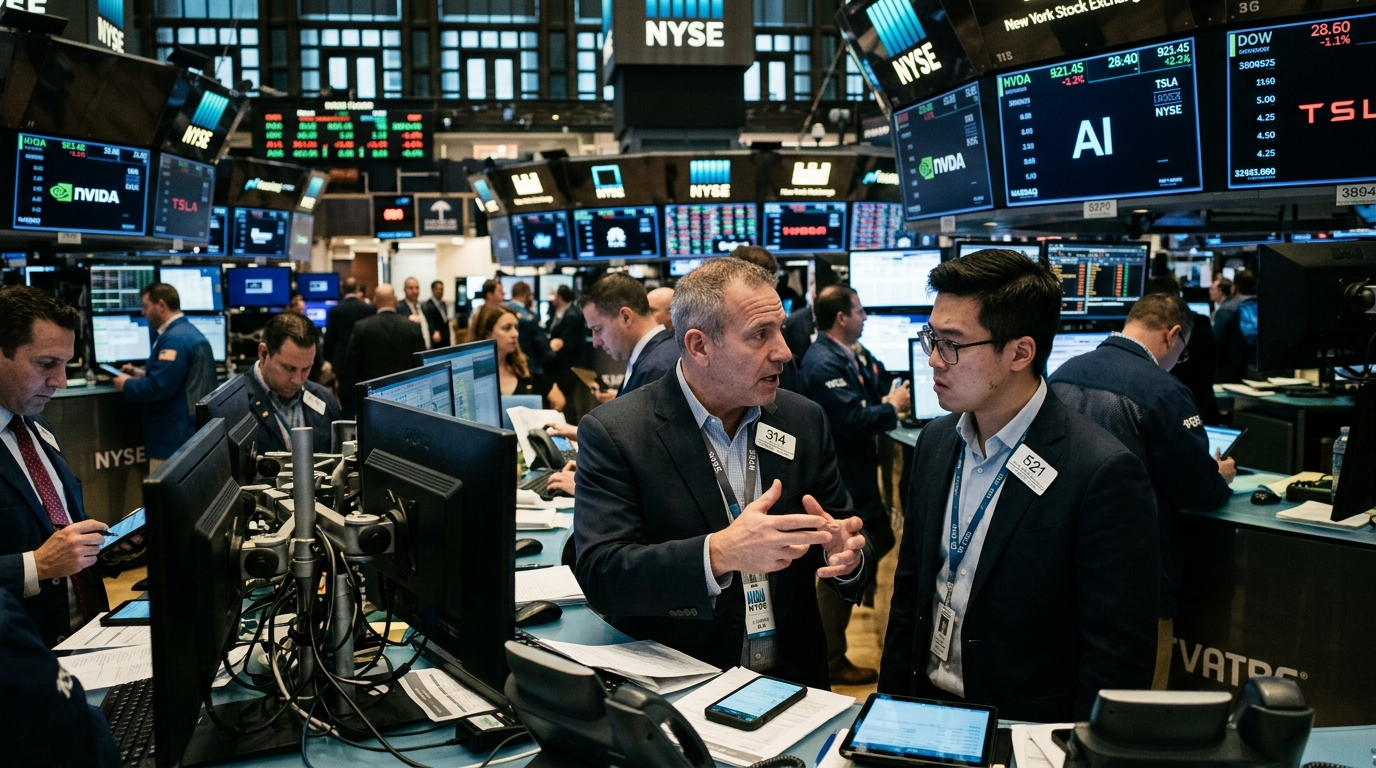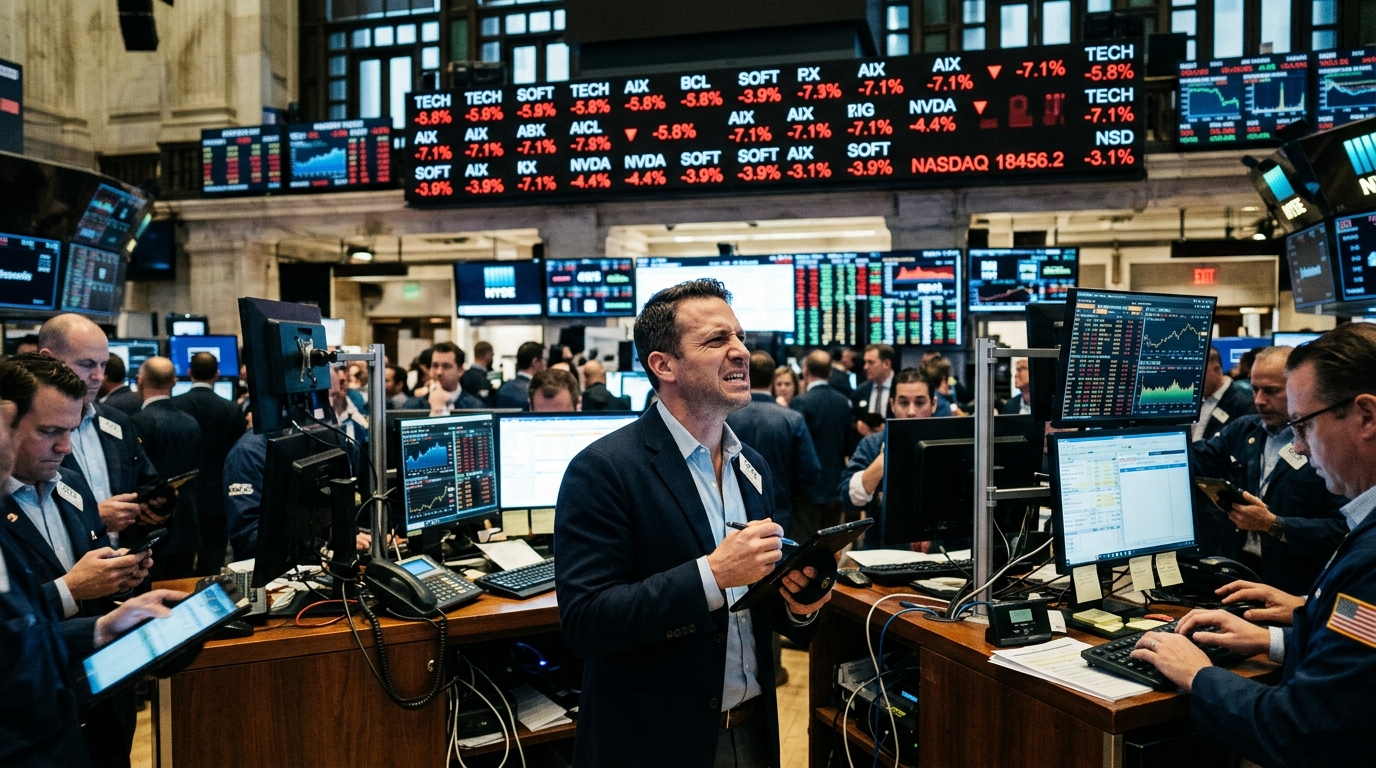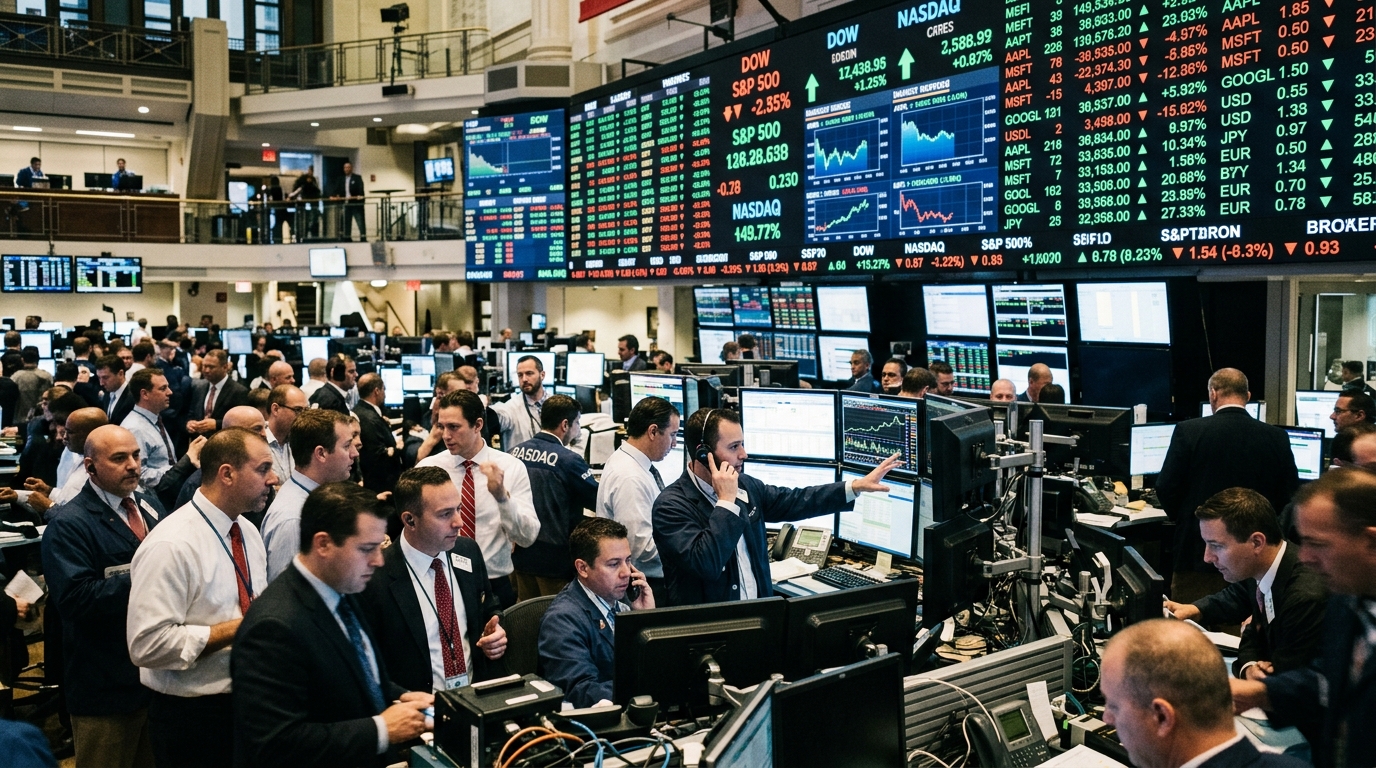
The history of monetary policy has always been a balancing act between data and human judgment. However, the advent of Generative AI and advanced analytical tools is fundamentally altering the landscape. In the corridors of the European Central Bank in Frankfurt and the Federal Reserve in Washington, the question is no longer whether AI will affect the economy, but how the technology itself will become the primary tool for setting interest rates and controlling inflation.
The Revolution of "Nowcasting" and Data Velocity
Traditionally, central banks relied on lagging indicators, such as last month's inflation or previous quarter's employment figures. AI introduces the era of "nowcasting"—predicting the present. By processing vast amounts of alternative data, such as real-time credit card transactions, e-commerce prices, and social media sentiment analysis, bankers can now witness economic shifts as they happen.
This speed, however, brings new risks. Critics argue that over-reliance on real-time data could lead to jittery monetary policy reactions, increasing market volatility rather than dampening it. The traditional "steady hand" of central bankers risks being replaced by an algorithm that reacts to every minor fluctuation in digital noise.
AI's Dual Role in Inflation Dynamics
One of the most intense points of friction among economists is AI's impact on inflation. On one hand, AI is viewed as a profoundly deflationary force. Through automation and supply chain optimization, it reduces production costs and boosts productivity. If businesses can produce more at a lower cost, price pressures should ease in the long run.
On the other hand, AI requires massive investments in infrastructure, data centers, and energy. This investment boom could be inflationary in the short term, driving up demand for raw materials and specialized labor. Furthermore, AI enables companies to implement "dynamic pricing" with terrifying precision, capturing consumer surplus and keeping prices high even when costs fall.
The Central Banker Divide: Technocrats vs. Traditionalists
Inside governing boards, an ideological war has broken out. One side, often represented by younger technocrats, argues that AI can eliminate human error and political bias from monetary policy. They envision a world where interest rates are adjusted automatically by neural networks trained on billions of parameters.
The opposing side, the "traditionalists," warns of the "black box" problem. If an algorithm decides that interest rates must rise, potentially triggering a recession, how will the central bank explain this decision to the public and politicians? The lack of transparency and accountability in algorithmic models is the greatest hurdle to their full adoption. As many analysts note, monetary policy is ultimately an art based on trust, and trust cannot be coded in Python.
The Labor Market Challenge
Finally, central banks must assess AI's impact on employment, a core pillar of their mandates (especially for the Fed). If AI causes mass job displacement, purchasing power will decline, forcing banks to keep interest rates very low to support the economy. Conversely, if AI creates new, more productive roles, the "neutral rate" (r-star) could rise, shifting the landscape for savings and investment for decades to come.