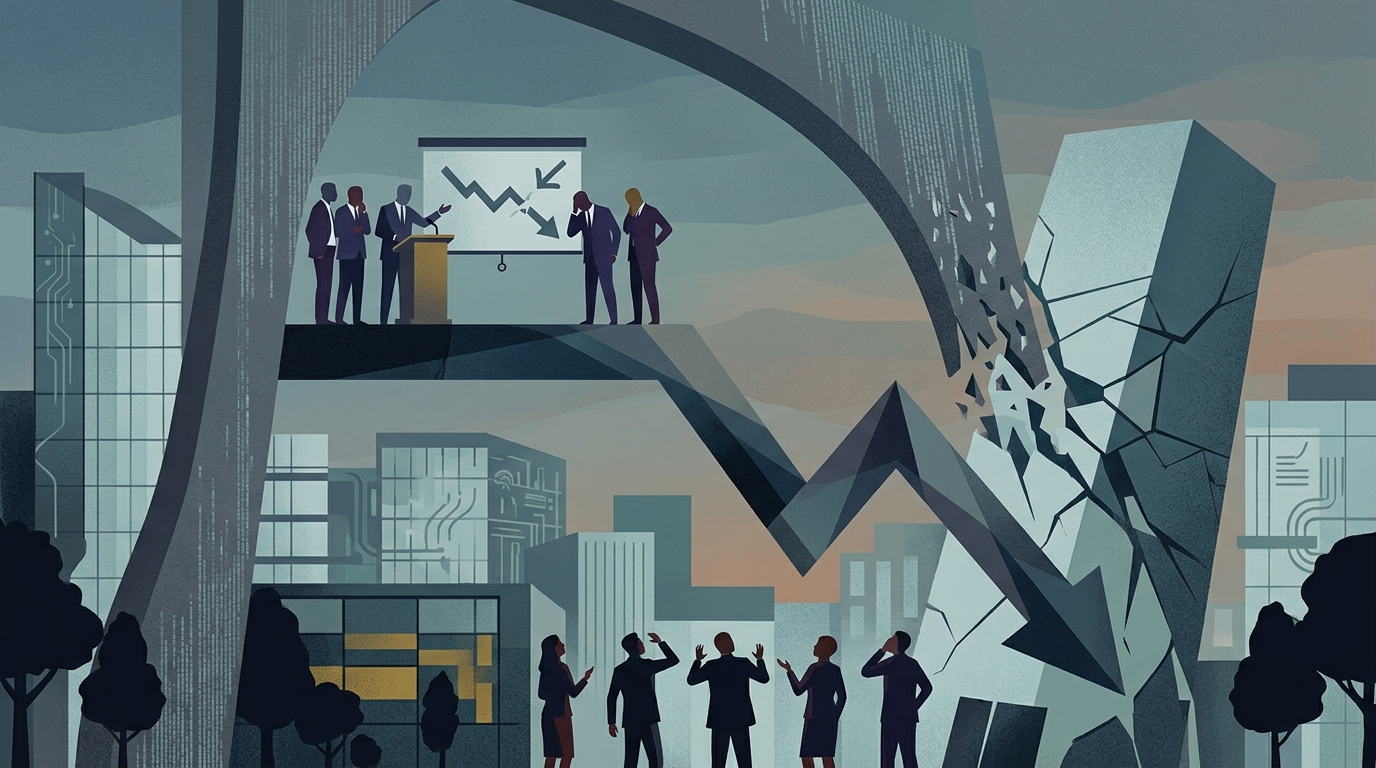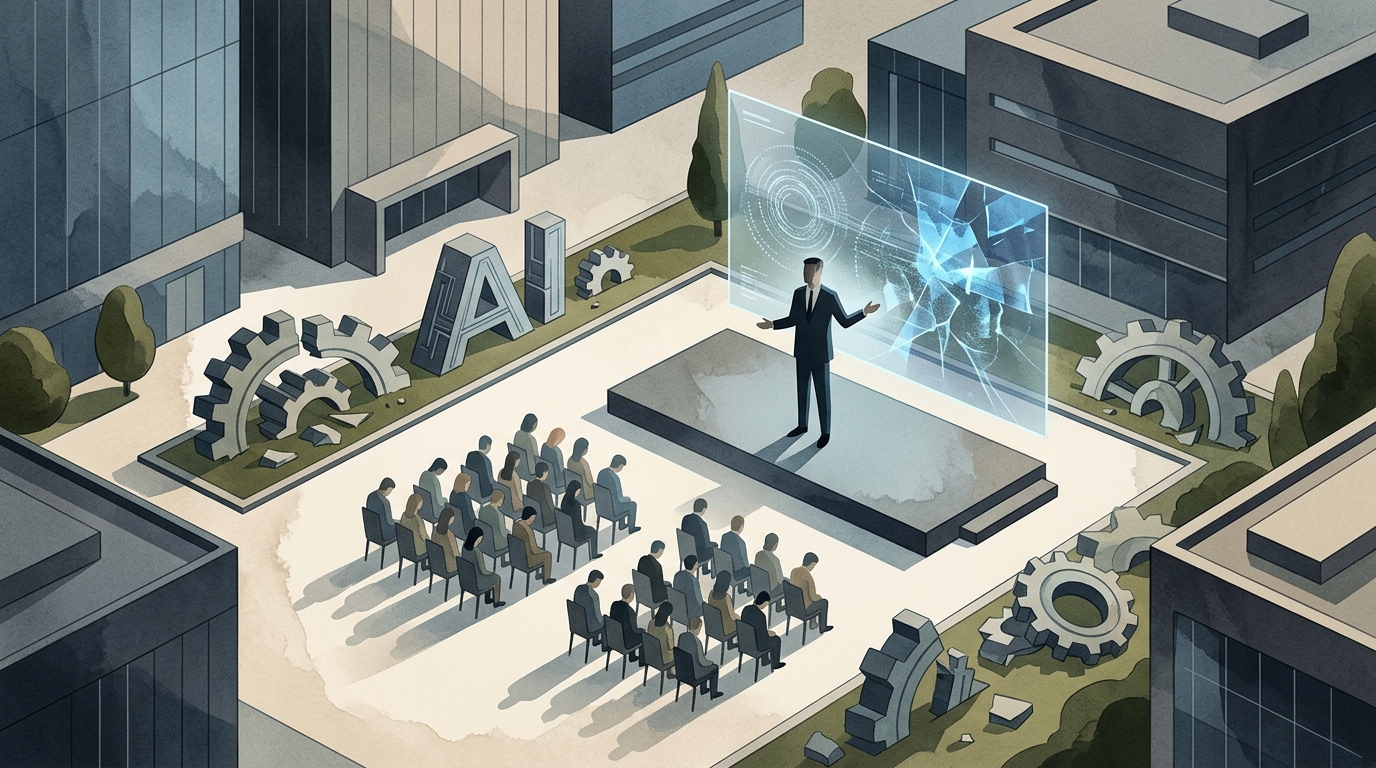
In a rare moment of introspection, Mark Zuckerberg, CEO of Meta, recently admitted that the company made significant errors during its aggressive workforce restructuring aimed at achieving dominance in the Artificial Intelligence sector. The admission, initially reported by Reuters, sheds light on the internal turmoil caused by the so-called "Year of Efficiency," a period marked by tens of thousands of layoffs and a radical shift in the tech giant's corporate culture.
The Legacy of the 'Year of Efficiency'
Meta, once considered a developer's paradise with endless perks and a culture of creative freedom, underwent a jarring transformation throughout 2023 and 2024. Zuckerberg acknowledged that the rush to align the company with the demands of Generative AI led to a fragmented approach that often ignored the human dimension. The loss of veteran employees who lacked direct AI expertise but formed the operational backbone of the company created voids that Meta is still struggling to fill.
According to analysts, the mistake wasn't the pivot to AI itself, but the execution. Meta attempted to replace generalist software engineers with specialized machine learning researchers overnight, creating a climate of insecurity that drove many talented individuals into the arms of competitors like OpenAI and Anthropic.
"We didn't correctly estimate the time required to retrain our existing workforce,"Zuckerberg reportedly stated, recognizing that the "move fast and break things" ethos may have been applied too harshly to the company's own people.
The War for AI Talent
This admission comes at a time when the competition for AI talent has reached unprecedented levels. Meta has been forced to offer compensation packages nearing or exceeding one million dollars annually to attract top-tier researchers, while simultaneously cutting jobs in departments like marketing and community management. This imbalance created two "classes" of employees within the company, causing friction in internal cohesion.
- Excessive pressure for immediate results in Large Language Models (LLMs).
- Neglect of middle management who maintained institutional memory.
- Difficulty integrating new researchers into a structure in constant flux.
Zuckerberg emphasized that Meta is learning from these mistakes, adopting a more holistic approach. Instead of mass layoffs, the company is now investing in internal "reskilling" programs, attempting to turn existing software engineers into AI practitioners. However, the damage to Meta's reputation as an employer of choice may take years to fully repair.
From the Metaverse to LLM Dominance
One of the most interesting points of Zuckerberg's self-critique concerns the relationship between the Metaverse and AI. While these two visions initially seemed to clash for resources, Meta's CEO now admits that AI is the "operating system" upon which the Metaverse will be built. The initial "clumsiness" in shifting resources from one department to another led to delays on both fronts.
Today, with the success of the Llama family of models, Meta seems to be regaining lost ground. The open-source strategy adopted by the company has acted as a magnet for the developer community, giving Meta an edge that Google and Microsoft are finding difficult to counter. Nevertheless, the admission of workforce management failures shows that even Silicon Valley's most powerful players are not immune to the challenges of rapid technological evolution.
The Future of Corporate Culture at Meta
In conclusion, Zuckerberg promised a more "human-centric" approach in the future, though critics remain skeptical. Meta remains a company driven by data and efficiency, and in the age of AI, efficiency often translates to automation. The big bet for Zuckerberg is whether he can maintain high levels of innovation without sacrificing the mental health and trust of his employees.
The Meta case serves as a lesson for the entire tech industry: AI is not just a matter of algorithms and compute power, but primarily a matter of human management and strategic foresight. As we move into the latter half of the 2020s, a company's ability to transform without collapsing internally will be the ultimate factor for success.