In a move that many analysts are calling Tesla’s “AWS moment,” Elon Musk’s company has announced its entry into the data center infrastructure market with ‘Megapod.’ This is a comprehensive, modular hardware solution designed for training and running artificial intelligence models at an unprecedented scale. This development marks Tesla’s definitive transformation from an automaker into a technological titan that controls the entire value chain of intelligence.
The Architecture of Megapod: Power Meets Compute
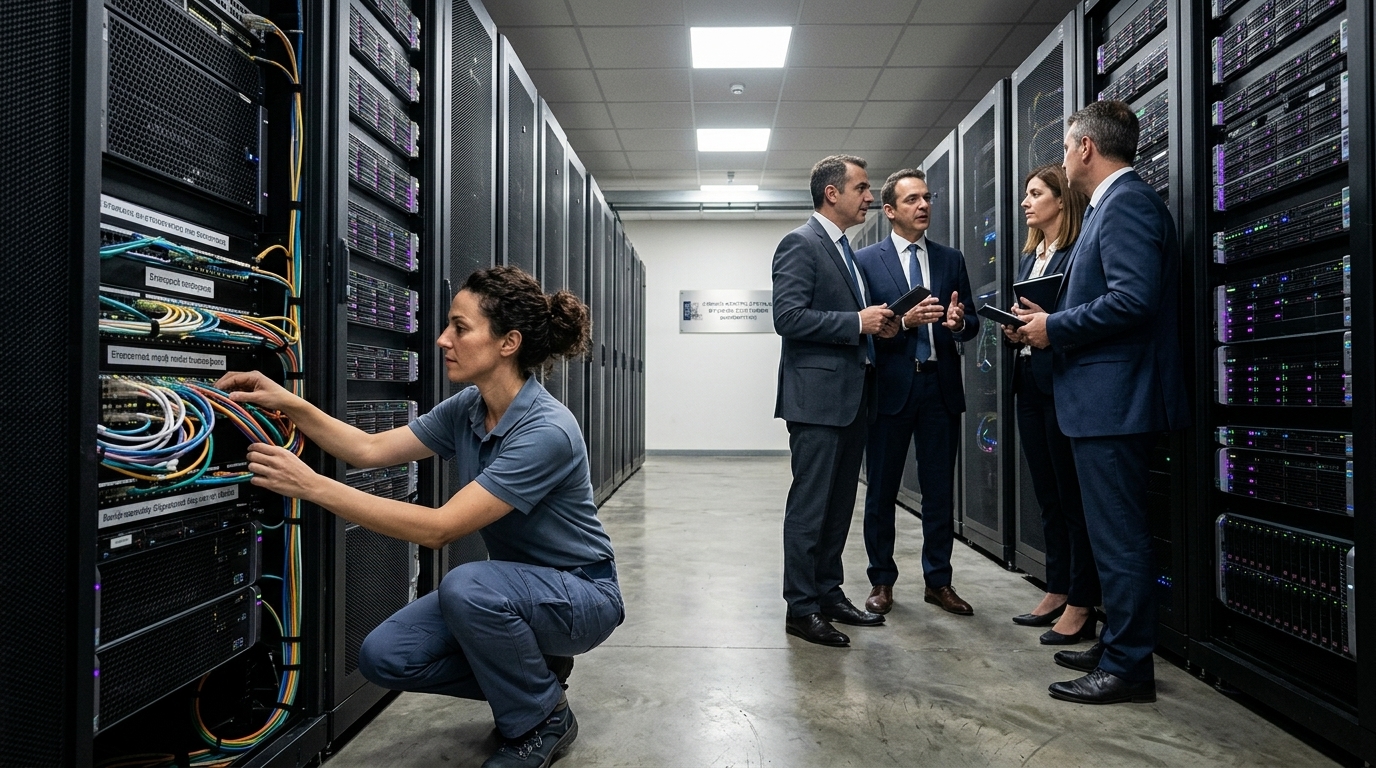
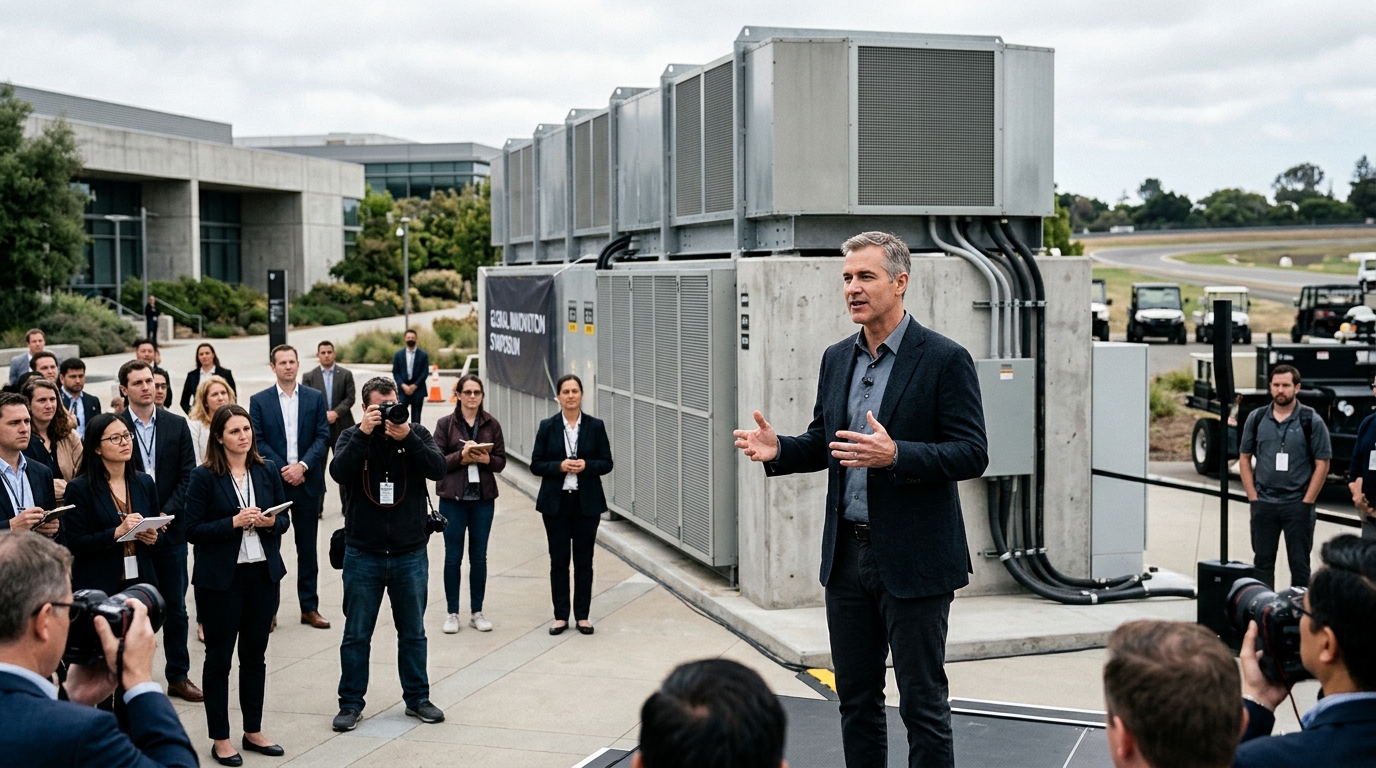
Megapod is not merely a server rack; it is a holistic approach to the problem of scaling AI infrastructure. Drawing from Tesla’s extensive experience with Megapack (its grid-scale energy storage system), Megapod integrates the computational power of Dojo chips with advanced liquid cooling systems and integrated power management. Its modular nature allows corporations and governments to deploy massive GPU or NPU clusters in record time, bypassing the complex construction cycles of traditional data centers.
The heart of the system lies in thermal management optimization. As AI chips become increasingly power-hungry, Tesla’s ability to manage thermal loads—using technologies originally developed for its electric vehicles—gives it a significant edge over traditional hardware manufacturers like Dell or HP. Megapod promises higher compute density per square foot while simultaneously lowering operational costs through superior energy efficiency.
The 'AWS' Strategy: From Internal Need to Global Market
Tech history teaches us that the most successful platforms are born from solving internal bottlenecks. Amazon created AWS because it needed a scalable infrastructure for its own e-commerce empire. Similarly, Tesla developed Dojo and the Megapod infrastructure to train its Full Self-Driving (FSD) algorithms and the Optimus humanoid robot. Now, the company is ready to sell this “digital scaffolding” to the rest of the world.
- Scalable Deployment: Customers can start with a few pods and expand to exascale levels seamlessly.
- Vertical Integration: Tesla controls the silicon, the software, the cooling, and the power delivery.
- Speed of Installation: It reduces data center construction time from years to months.
This move places Tesla in direct competition with Nvidia, not just at the chip level, but at the total infrastructure level. While Nvidia dominates with its DGX systems, Tesla is betting on its manufacturing prowess—the ability to build physical objects at scale—turning the data center into a “plug-and-play” product.
Challenges and the Geopolitical Landscape
Despite the promise, the road for Megapod will not be without hurdles. Dependence on the semiconductor supply chain remains a critical variable. Furthermore, entering a market dominated by incumbents like Microsoft and Google requires more than just superior hardware; it requires a software ecosystem that developers trust. Tesla must prove that its software stack is as versatile and accessible as Nvidia’s CUDA.
“We are not just building computers; we are building the intelligence factories of the 21st century,” Musk recently stated, and Megapod is the physical manifestation of that promise.
On a geopolitical level, the ability to rapidly deploy AI infrastructure via modular solutions is of particular interest to nations seeking digital sovereignty. Tesla could find itself at the center of international agreements to build national AI clusters, further expanding its influence far beyond the transportation sector.
Conclusion: Tesla as the Backbone of AI
Megapod represents the final piece in Elon Musk’s grand puzzle. If Tesla can convince the market that its expertise in manufacturing complex systems—cars, rockets, batteries—translates into superior data centers, then the company’s valuation will finally decouple from the automotive industry for good. Tesla aspires to become the backbone upon which global AI operates, converting energy into intelligence in the most efficient manner ever conceived.