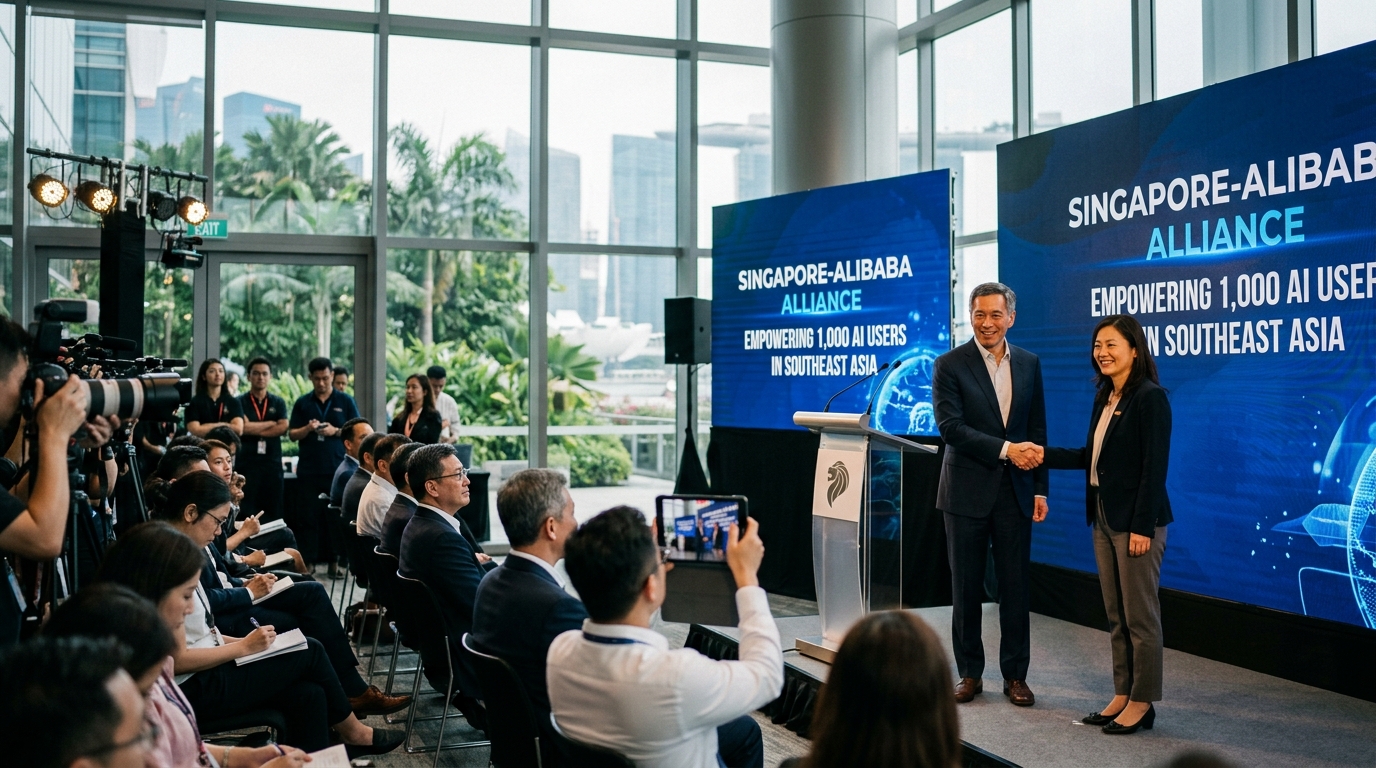
In the heart of Southeast Asia, Singapore continues to solidify its position as a global beacon of digital innovation. The recent announcement of a tripartite partnership between data center giant ST Telemedia Global Data Centres (STT GDC), Alibaba Cloud, and the National Trades Union Congress (NTUC) of Singapore marks a critical turning point in the nation's effort to democratize access to Artificial Intelligence. This initiative is not merely about technological upgrades; it is about building a sustainable ecosystem where infrastructure, expertise, and human capital converge to create a new class of "AI-augmented" workers.
A Strategic Tripartite Model
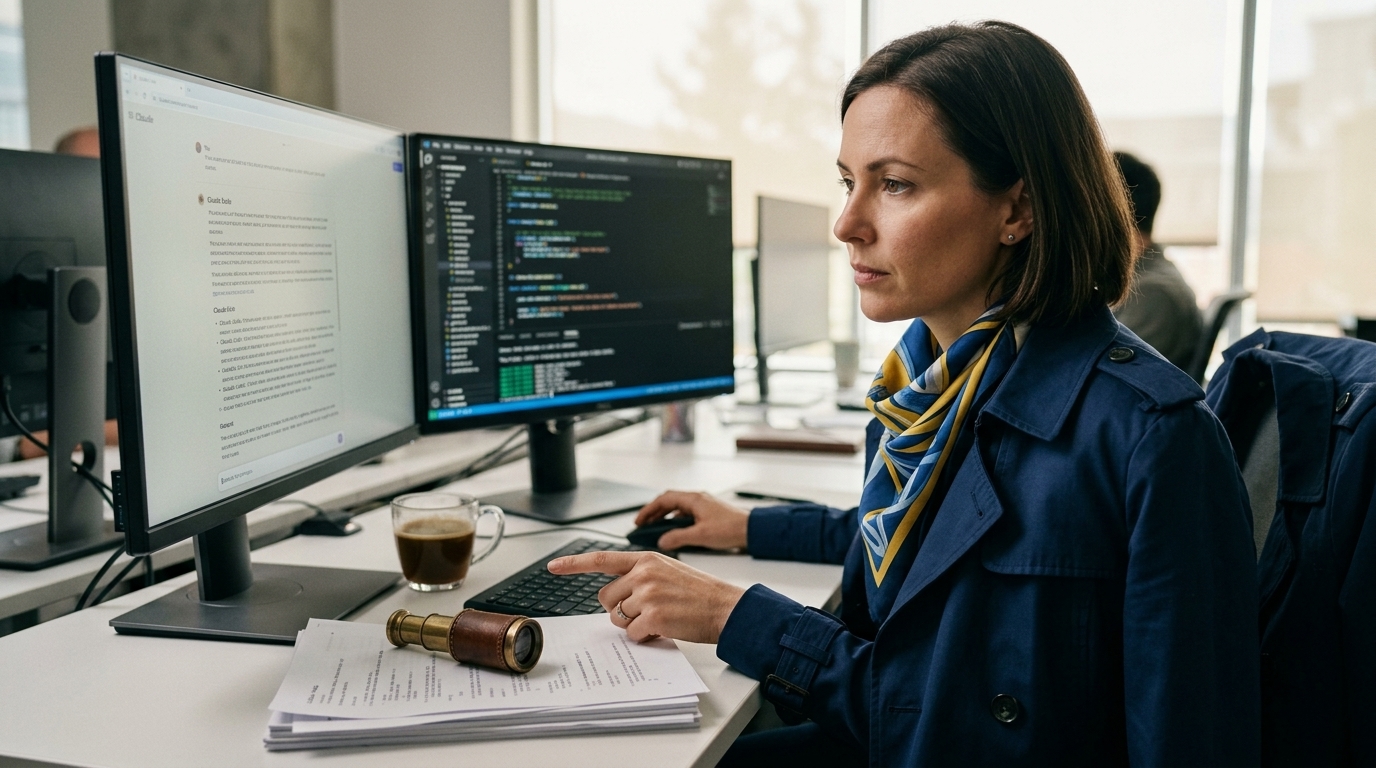
This collaboration serves as an excellent example of how the public and private sectors can work together to address the persistent digital skills gap. STT GDC provides the physical infrastructure—the "nerve centers" of the digital economy—while Alibaba Cloud offers the software and machine learning platforms required to develop advanced applications. However, the most compelling player in this arrangement is the NTUC. The involvement of a labor union in such a high-tech initiative underscores Singapore's commitment to ensuring that the AI revolution leaves no worker behind.
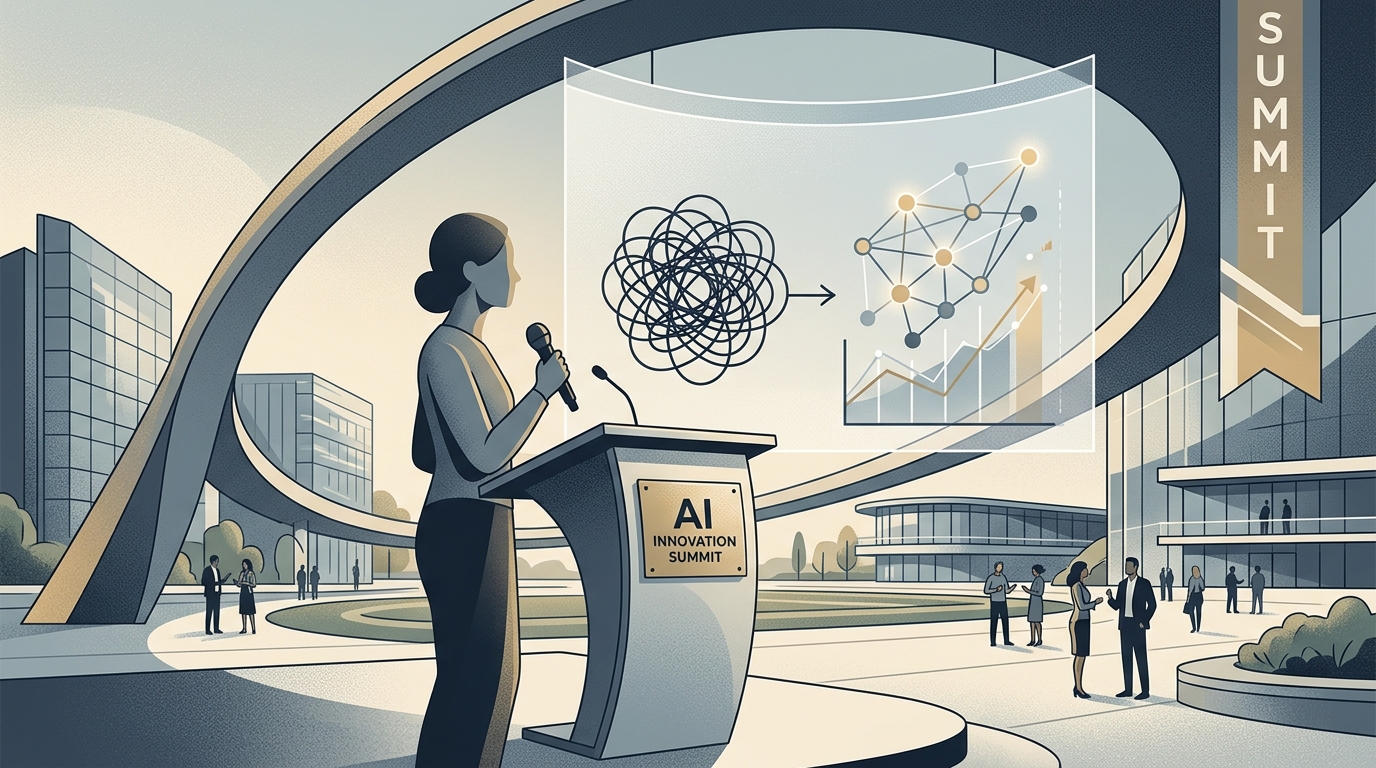
The program aims to support 1,000 AI users by providing them with access to high-performance computing power and specialized development tools. This is not a simple series of seminars; it is a deep dive into the practical applications of AI, ranging from data analytics to Generative AI. The selection of the initial 1,000 users will be guided by the impact they can have within their respective industries, acting as knowledge multipliers within their organizations.
Bridging the Talent Gap through Infrastructure
One of the primary barriers to AI adoption globally is the cost and availability of compute power. GPUs and specialized AI processors are expensive and often in short supply. Through STT GDC, participants will have access to sustainable and energy-efficient data centers, minimizing the environmental footprint of their computational experiments. Alibaba Cloud, on the other hand, brings its vast experience from the Chinese market, where AI is applied at an unprecedented scale in sectors like e-commerce, logistics, and fintech.
- Access to Alibaba's advanced Large Language Models (LLMs) like Tongyi Qianwen.
- Training in cloud-native environments for agile application deployment.
- Industry-recognized certifications to bolster career prospects.
- Mentorship and networking opportunities with global tech leaders.
This "Infrastructure-as-a-Service" approach combined with "Knowledge-as-a-Service" sets a powerful precedent. Singapore recognizes that AI sovereignty is determined not just by who possesses the best algorithms, but by who can most effectively apply them to the real economy. By lowering the barrier to entry, this partnership enables small and medium enterprises (SMEs) and individual professionals to experiment with tools that were previously reserved for big tech firms.
The Evolution of Labor Unions in the AI Era
In many Western economies, the rise of AI is met with skepticism or fear by labor organizations due to potential job displacement. In Singapore, the NTUC is choosing the path of adaptation. Instead of resisting change, it seeks to lead it. Their participation ensures that training is accessible not only to high-level executives but also to "frontline" workers whose daily tasks are being reshaped by automation.
"AI will not replace workers, but workers who use AI will replace those who do not," is a sentiment frequently echoed by government officials in the city-state.
This initiative aligns perfectly with Singapore’s National AI Strategy 2.0, which aims to build a "Smart Nation." Focusing on 1,000 users is just the beginning. The vision is to create a critical mass of professionals who can navigate a world where human-machine collaboration is the norm rather than the exception. By involving the union, the program also addresses ethical concerns and ensures that the transition to an AI-driven economy is inclusive and fair.
Geopolitics of Cloud and Compute
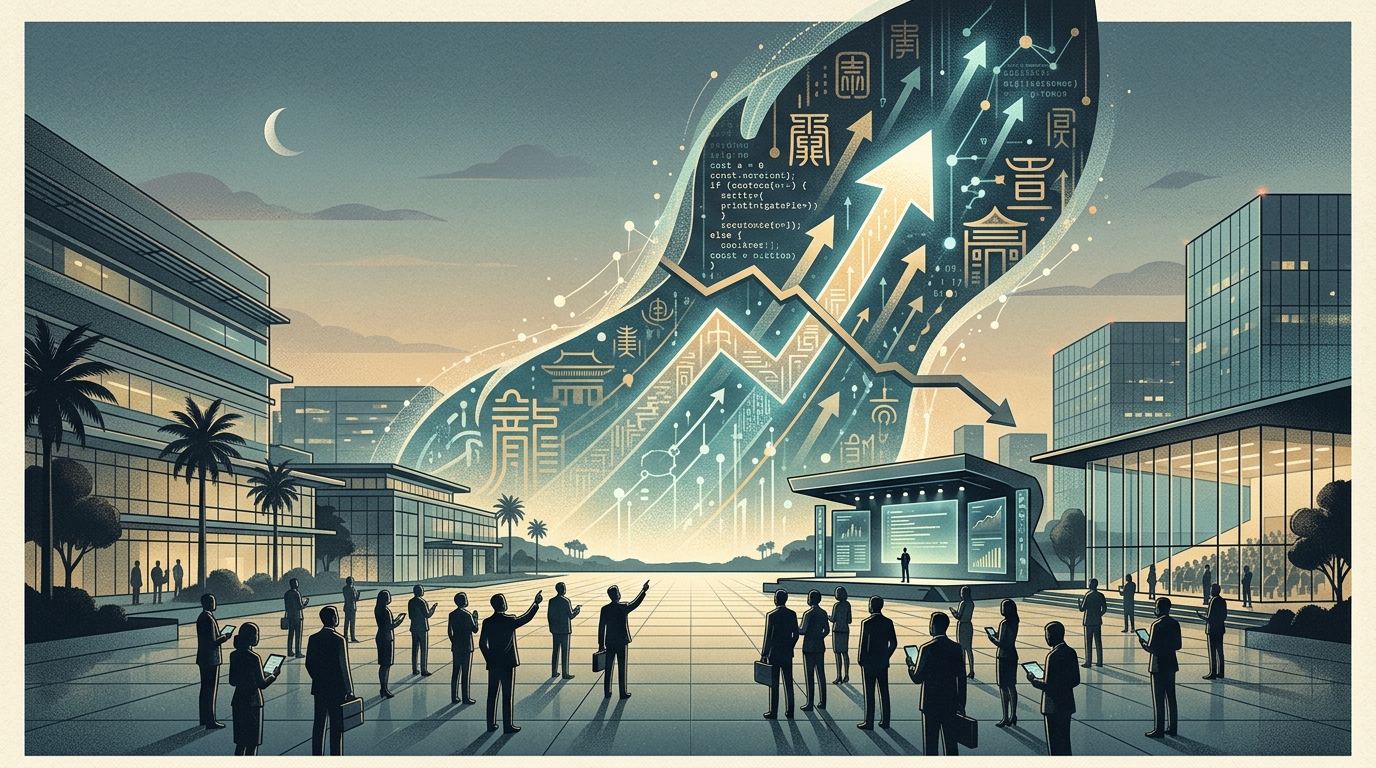
The choice of Alibaba Cloud as a partner also carries significant geopolitical weight. At a time when technological ties between the US and China are under strain, Singapore remains a neutral meeting ground. By collaborating with Chinese giants alongside American firms (such as Microsoft and Google in other initiatives), the country ensures access to the best technologies from both worlds. For Alibaba, this move is a clear signal of its intention to expand its influence outside of China, using Singapore as a springboard for the entire Asia-Pacific (APAC) region.
In conclusion, the partnership between STT GDC, Alibaba Cloud, and NTUC is more than a business deal. It is a social contract for the digital age. It demonstrates that success in the AI era requires more than just code; it requires collaboration, vision, and, above all, an investment in people. As these 1,000 users begin their journey, the world will be watching Singapore to see if this model can serve as the blueprint for the global labor transition in the 21st century.