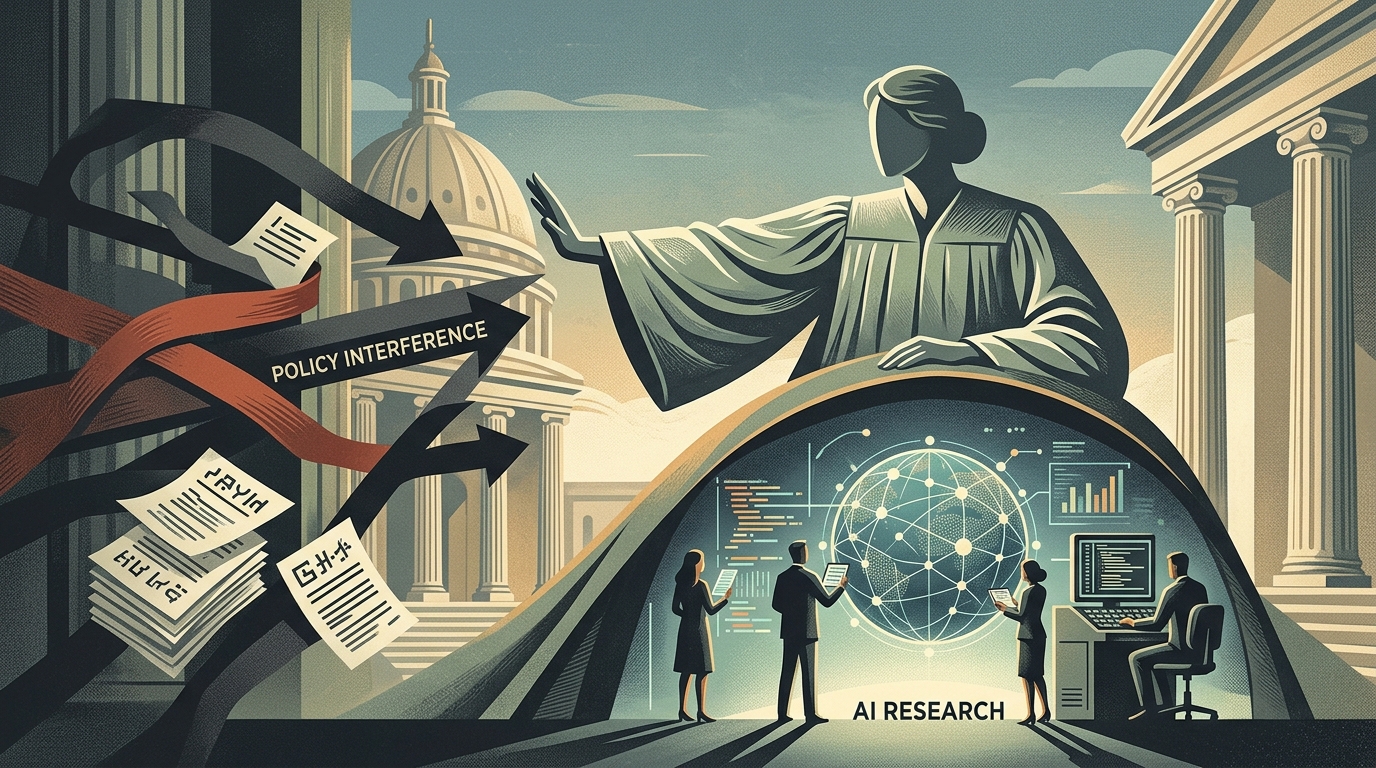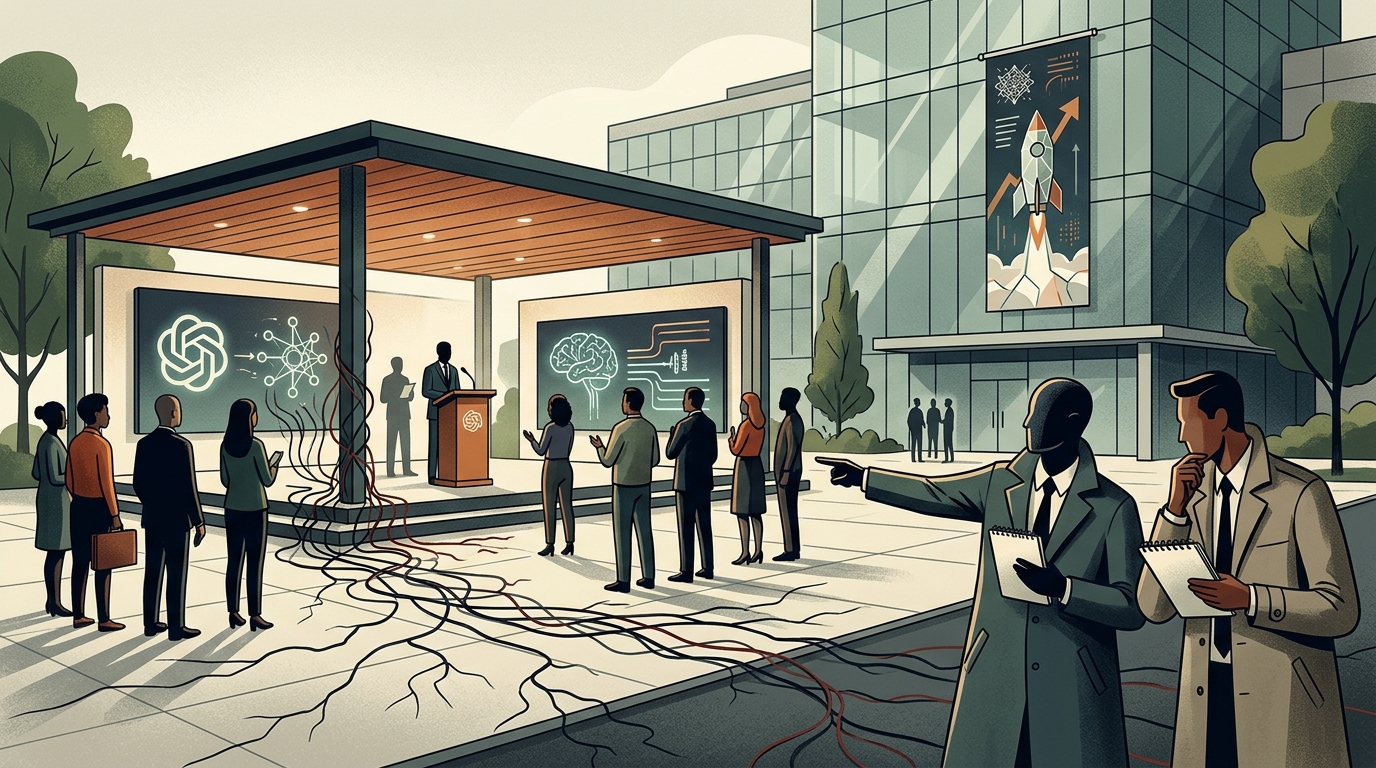
The timing could not be more dramatic. As OpenAI, the undisputed leader in generative artificial intelligence, prepared for perhaps the most significant initial public offering (IPO) of the decade, a coalition of Attorneys General from at least fifteen U.S. states launched a sweeping investigation into the company’s practices. At the heart of the probe lies the allegation that OpenAI’s models may be causing "systemic harm" to users, violating consumer protection laws.
The news, which surfaced via confidential documents leaked shortly after the company filed its S-1 form with the Securities and Exchange Commission (SEC), has sent shockwaves through Silicon Valley. While the company's valuation was expected to soar past $150 billion, this legal entanglement raises serious questions about the sustainability of its business model and the transparency of its algorithms.
The Nature of 'Harm': From Misinformation to Mental Health
The states' allegations are not confined to a single front. According to sources close to the investigation, the Attorneys General are focusing on three main pillars. First, the tendency of GPT models to produce "hallucinations" that can defame individuals or provide dangerous medical and legal advice. Second, the collection and use of personal data without explicit and informed consent, particularly regarding the training of future models.
However, the most concerning part of the probe involves mental health. Prosecutors argue that OpenAI has designed its tools in a way that fosters dependency while failing to protect minor users from inappropriate or harmful content. "AI is not just a tool; it is a social agent reshaping the human experience," said one of the lead investigators. "If this reshaping comes at the cost of citizen safety, the company must be held accountable."
The Conflict Between Idealism and Profitability
OpenAI began as a non-profit organization with the goal of safely developing Artificial General Intelligence (AGI). Its transition to a "capped-profit" entity and now its path toward the stock market have created an internal tension that is now visible to all. Critics argue that the pressure for constant growth and the need to satisfy shareholders—including Microsoft—have led to shortcuts in safety protocols.
The company, for its part, is defending itself vigorously. In its official statement, it emphasized that it works every day to bring the benefits of AI to people in a responsible way. However, the multistate probe suggests that OpenAI’s internal controls may not be sufficient. The lack of external oversight and the "black box" nature of its models make it difficult for regulators to verify safety claims.
Implications for the IPO and the Market
For investors, this investigation is a major red flag. The uncertainty caused by a multistate probe can lead to significant delays in the market listing or even a devaluation of the stock. If the states manage to prove systemic negligence, fines could reach billions of dollars, while required changes to how algorithms operate could reduce the effectiveness of OpenAI’s products.
- Potential delay of the IPO until a settlement or a clear legal picture emerges.
- Increased scrutiny from the SEC regarding risk disclosures in the S-1 filing.
- Creation of a legal precedent that will affect other market players like Anthropic and Google.
Ultimately, this case represents a milestone for technology governance. It is not just about OpenAI, but about whether society can control the forces it has created. As June 13, 2026, is recorded as the day Silicon Valley confronted the reality of state power, the future of AI looks more complex than ever.
"Safety is not a feature added after the fact; it must be the foundation upon which the code is built," states the Attorneys General's preliminary report.
OpenAI is now called upon to prove that its idealism was not sacrificed at the altar of the Nasdaq. The battle beginning in the courtrooms will determine not only its share price but also the ethical framework within which humanity will move in the age of artificial intelligence.