In the rapidly evolving landscape of global technology, few entities have managed to align themselves as perfectly with an era as Nvidia has with the Artificial Intelligence revolution. Yet, for Jensen Huang, the company’s visionary leader, dominating the Graphics Processing Unit (GPU) market is merely the opening act. Nvidia’s new strategic bet is no longer just about silicon; it is about constructing a comprehensive, vertically integrated ecosystem that serves as the "operating system" for the 21st-century global economy.
From Chips to AI Factories
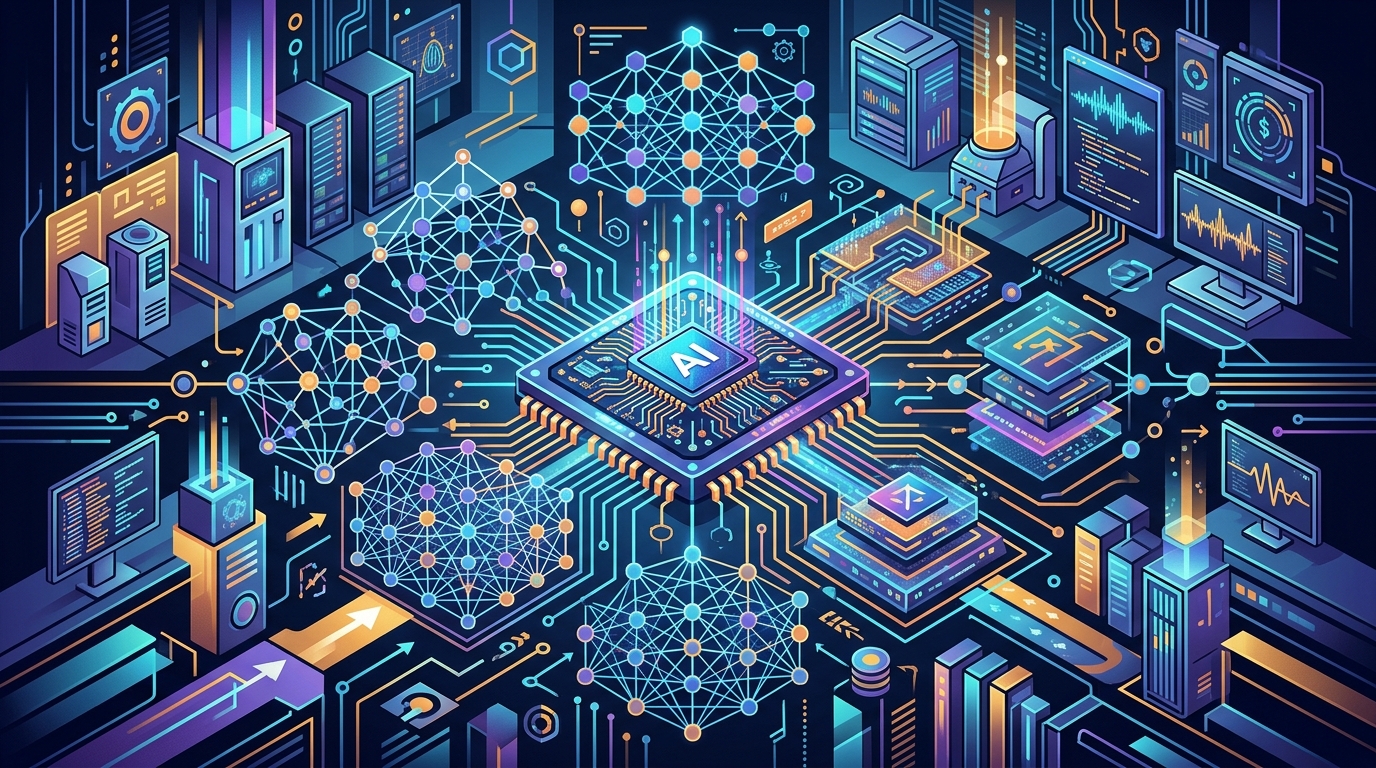
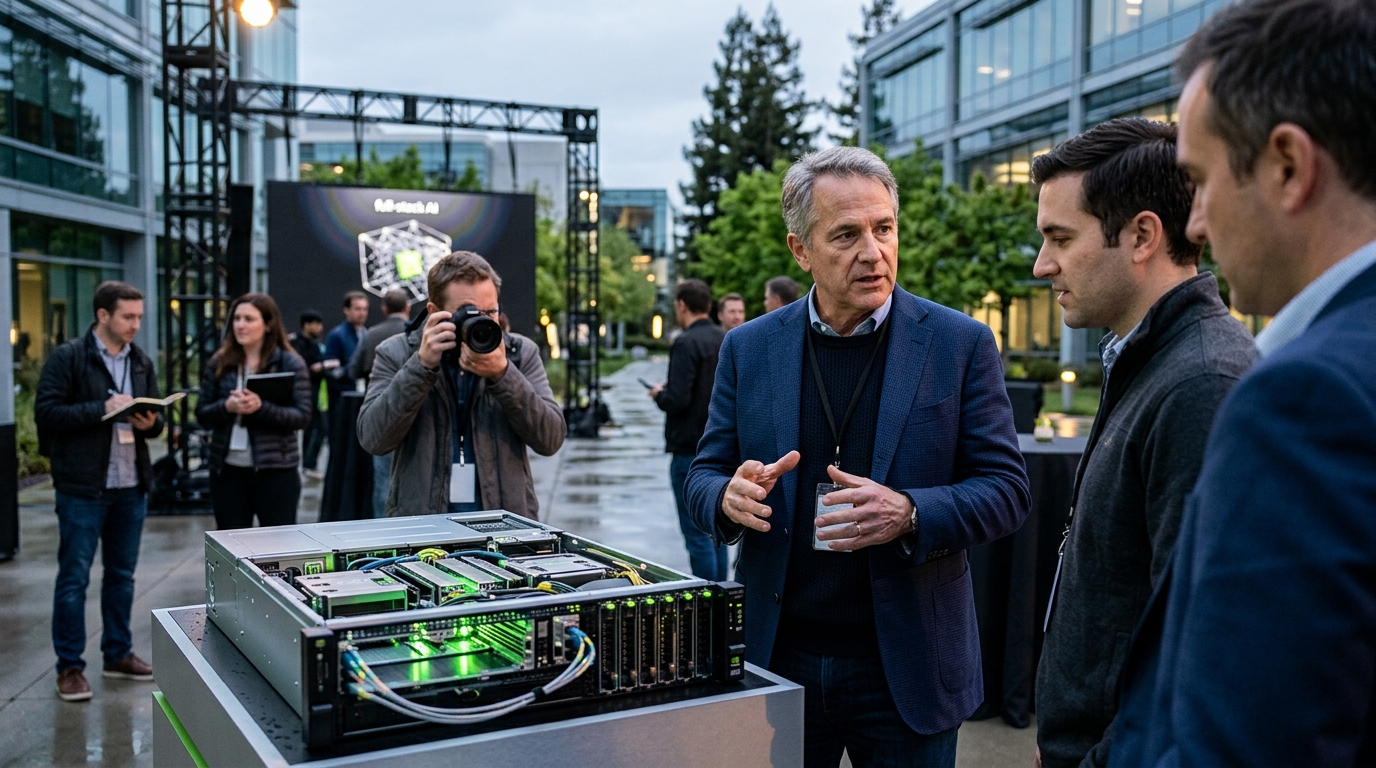
Nvidia’s strategic pivot centers on the concept of the "AI Factory." Rather than viewing data centers as mere repositories for storage and processing, Nvidia reimagines them as modern industrial units where raw data is transformed into valuable intelligence. In this paradigm, the company isn't just selling Blackwell or Rubin chips; it is providing a holistic architecture that includes networking (InfiniBand and Spectrum-X), software, and cloud services.
The introduction of Nvidia Inference Microservices (NIMs) marks a critical juncture in this transition. NIMs allow enterprises to deploy AI models in minutes rather than weeks, abstracting the underlying infrastructure's complexity. By doing so, Nvidia effectively "locks" its customers into a software environment that is inextricably linked to its hardware, creating a formidable economic moat that competitors find increasingly difficult to breach.
Omniverse and the Era of Physical AI
Another cornerstone of the new strategy is "Physical AI," manifested through the Omniverse platform. Nvidia aims to digitize heavy industry, enabling giants like BMW and Siemens to create "digital twins" of their manufacturing facilities. Within these virtual environments, robots are trained and industrial processes are optimized with mathematical precision before a single brick is laid in the physical world.
- Robotics: The Isaac platform facilitates the development of autonomous machines capable of perceiving and interacting with their environments.
- Healthcare: Through BioNeMo, Nvidia is making significant inroads into drug discovery, effectively treating biology as a computational challenge.
- Automotive: The DRIVE Thor platform is positioned to become the central nervous system of next-generation autonomous vehicles.
"The next industrial revolution has begun. Companies and nations will not just buy computing power; they will produce intelligence as their most valuable commodity," Jensen Huang recently remarked.
Sovereign AI and Geopolitical Strategy
Nvidia is also doubling down on the concept of "Sovereign AI." As governments worldwide realize that AI proficiency is a matter of national security and cultural preservation, Nvidia is positioning itself as the indispensable partner for building domestic infrastructure. From Japan and France to India and the UAE, the company is helping nations establish their own AI capabilities.
This approach diversifies Nvidia's revenue streams, reducing its reliance on major cloud providers (hyperscalers) like Microsoft and Google, who are increasingly developing their own custom silicon. By fostering a global market for "national AI clouds," Nvidia ensures long-term demand for its stack, independent of the strategic shifts of Silicon Valley’s other titans.
Challenges and the Path Ahead
Despite its meteoric rise, Nvidia’s path is not without significant hurdles. Antitrust regulators in the US and the EU are closely monitoring the company’s market dominance, while the global shortage of specialized talent capable of managing these complex systems remains a bottleneck. Furthermore, the staggering energy consumption of AI factories is sparking intense debates regarding the sustainability of this technological trajectory.
Nevertheless, Nvidia has already undergone a fundamental metamorphosis. It is no longer the company that made graphics cards for gamers. It is the architect of a new reality where AI is embedded in every facet of human endeavor, from oncology research to the management of global supply chains. Nvidia’s bet is, in essence, a bet on the future of technology itself.