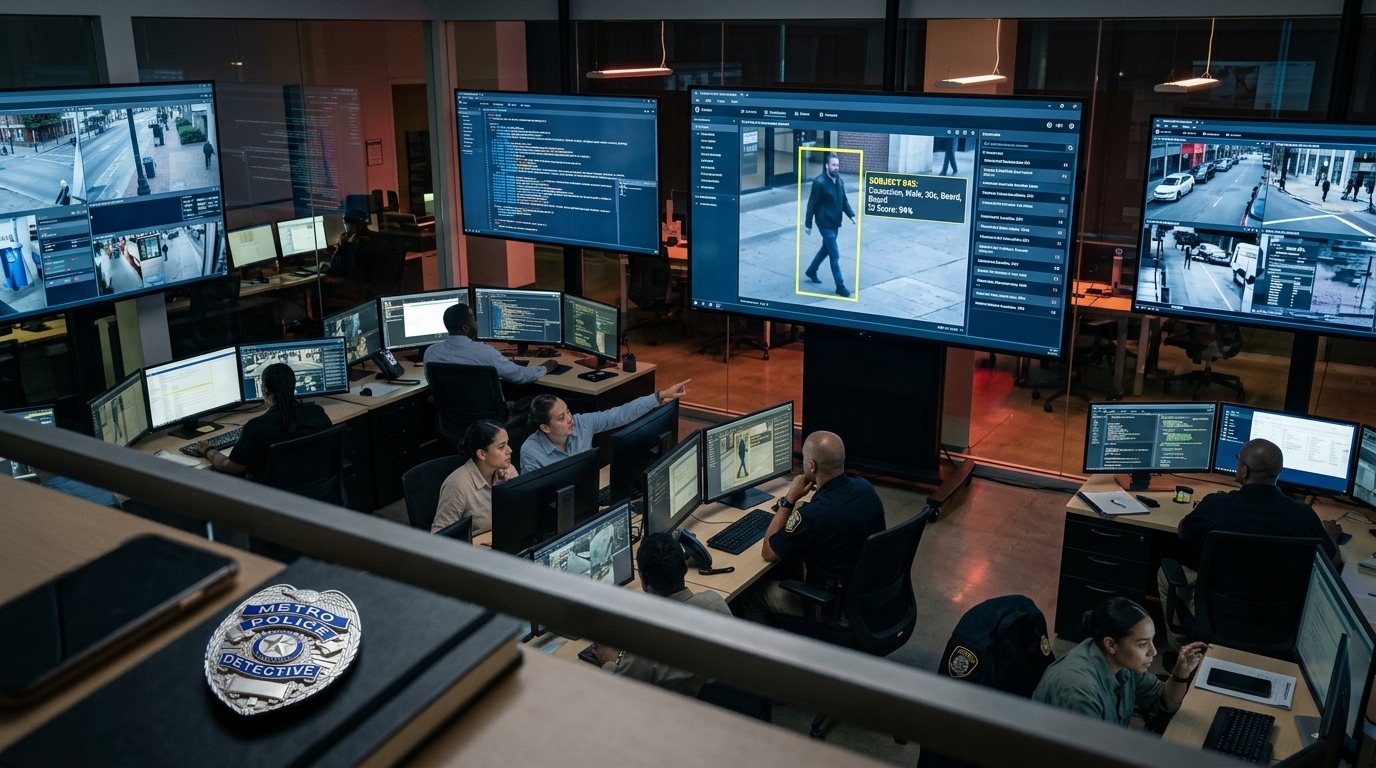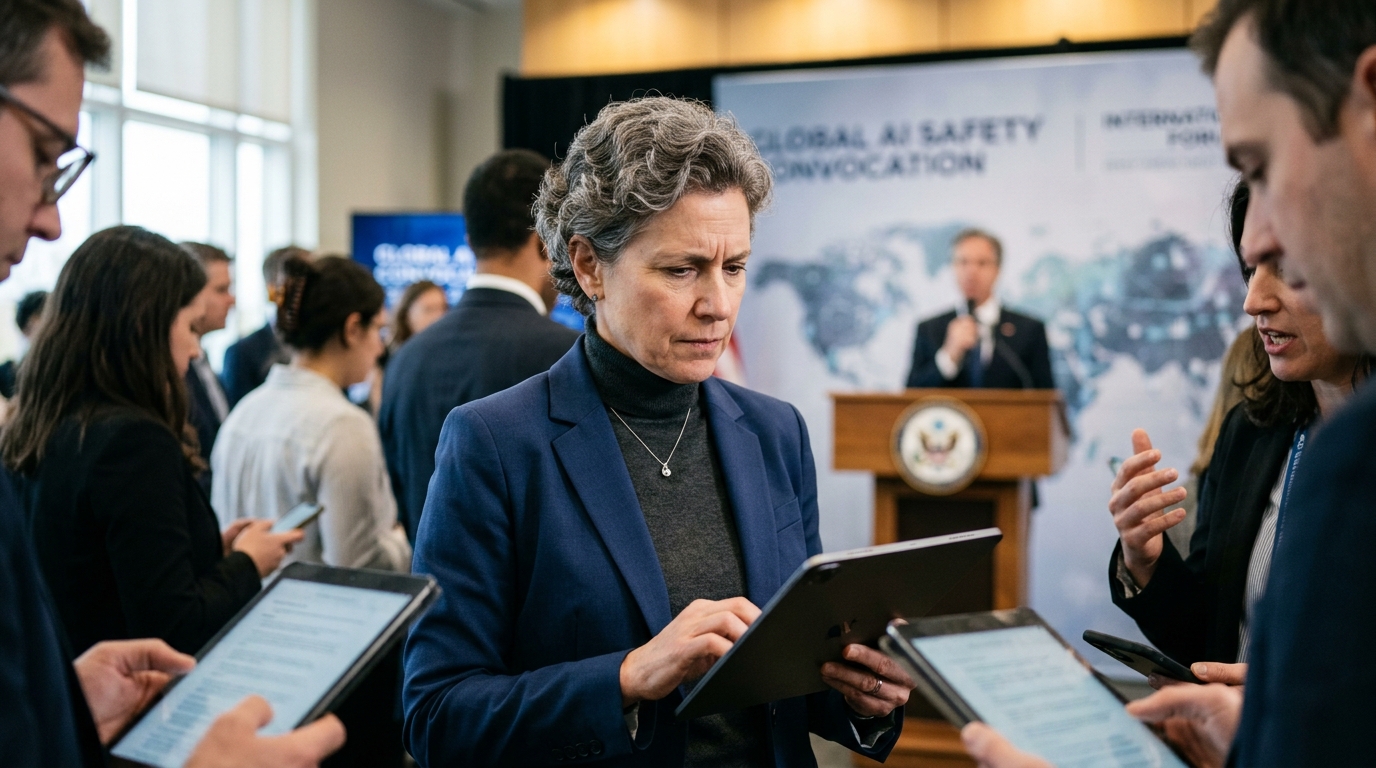
In a move that has sent shockwaves through Silicon Valley, the White House has placed the operations of Anthropic under intense scrutiny. Anthropic, a company long viewed as the "gold standard" for safe AI development, now finds itself at the center of a heated debate over federal oversight. This development, first detailed by the Baltimore Sun, marks a pivotal shift in U.S. policy—moving away from the era of voluntary corporate pledges toward a regime of mandatory compliance and state-led supervision.
The Erosion of Trust and the Battle Over Benchmarks
Anthropic was founded by former OpenAI executives with a core mission: to build "Constitutional AI" that is inherently safe and helpful. However, federal regulators are now questioning whether these internal safeguards are sufficient to mitigate the risks of dual-use capabilities. There are growing concerns that advanced models, such as Claude 3.5 or the rumored Claude 4, could be weaponized for sophisticated cyberattacks or the synthesis of biological agents. The White House's intervention suggests that even the most safety-conscious firms are no longer exempt from the skepticism of a government wary of a "black box" future.
Industry analysts argue that targeting Anthropic is a calculated strategic move. If the administration can enforce strict standards on the industry's most cautious player, it sets a legal and political precedent for the rest of the market. This marks the end of the "move fast and break things" era for artificial intelligence, replacing it with a "verify and then deploy" philosophy that aligns more closely with the regulation of critical infrastructure or aviation.
National Security and the Geopolitical Chessboard
The subtext of this regulatory push is the intensifying technological rivalry with China. The White House is increasingly concerned that the open-source nature of some AI research, or the potential for foreign actors to exploit American cloud infrastructure, poses a direct threat to national security. Anthropic, despite its ethical stance, operates within a global market where data and talent flow across borders. The federal government’s move is seen as an attempt to "ring-fence" American AI supremacy.
- Mandatory disclosure of high-compute training runs to the Department of Commerce.
- Stricter export controls on AI weights and specialized hardware.
- Independent "Red Teaming" audits conducted by the newly formed AI Safety Institute.
While these measures are framed as public safety requirements, they carry significant economic implications. Critics argue that such heavy-handedness could stifle the very innovation that gives the U.S. its competitive edge. However, the administration maintains that the risk of an unaligned or exploited AI far outweighs the temporary slowdown in development speed. The goal is to ensure that AI remains a tool for democratic stability rather than a catalyst for chaos.
The Safety Paradox and the Future of Governance
There is a profound irony in the White House's focus on Anthropic. By being transparent about their safety research and potential vulnerabilities, Anthropic essentially provided the government with the justification for oversight. This creates a "safety paradox": companies that are honest about risks get regulated, while those that remain opaque might escape notice. To avoid this, the 2026 regulatory framework must evolve to incentivize transparency rather than penalize it.
"AI safety is not a static feature; it is a dynamic negotiation between society, the state, and the architects of the technology," a senior official noted during a recent briefing.
In conclusion, the move against Anthropic is the opening salvo in a new era of AI governance. As the Baltimore Sun highlights, the debate is no longer about whether AI should be regulated, but about who holds the ultimate authority over its deployment. As we move deeper into 2026, the outcome of this struggle will determine whether the future of intelligence is shaped by private boardrooms or public interest. The stakes could not be higher, as the line between technological progress and national survival continues to blur.