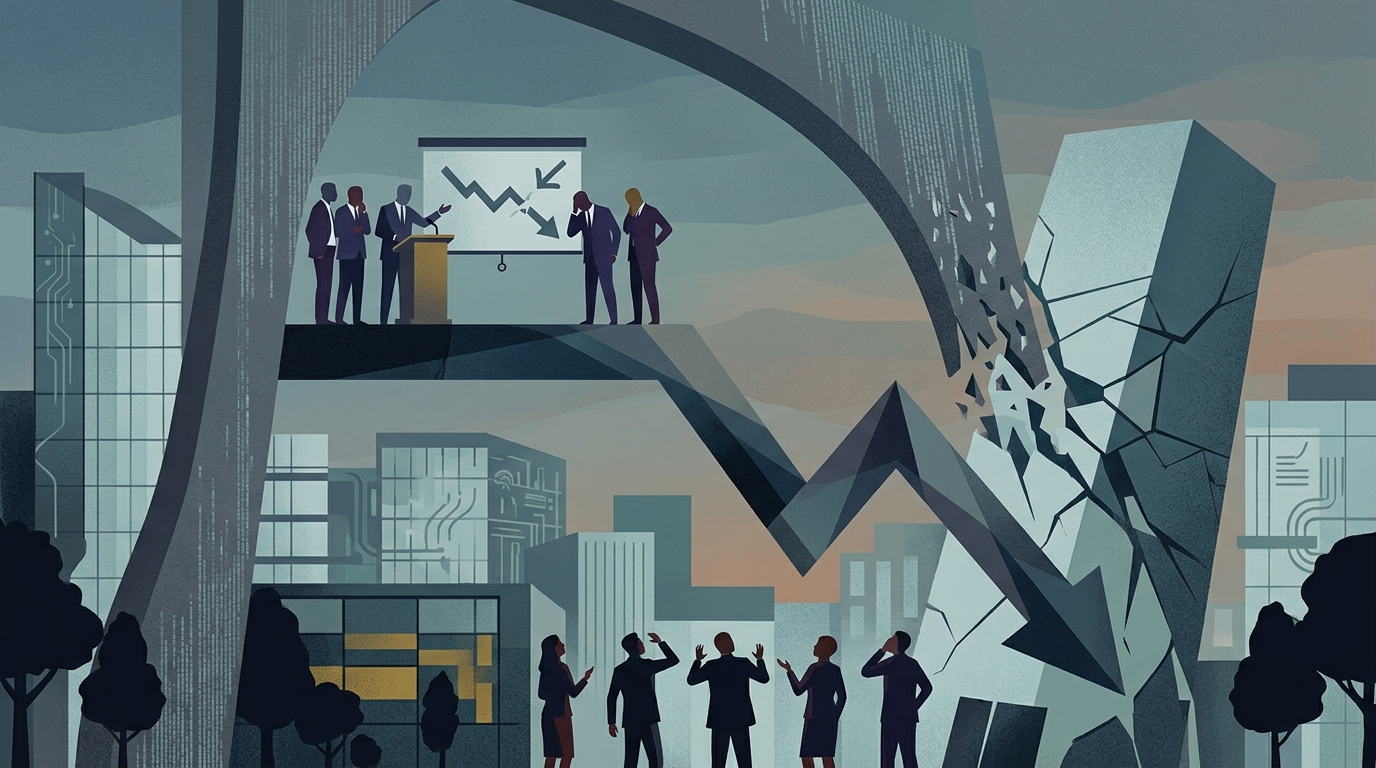
May 6, 2026, finds the Japanese gaming giant Nintendo at one of the most critical junctures in its modern history. As the market braces for the company's earnings announcement, the shadow of the successor to the Nintendo Switch — unofficially dubbed the "Switch 2" — looms large over Kyoto. According to reports from Bloomberg Tech, Nintendo is facing unprecedented pressure from institutional investors to abandon its traditional "affordability" strategy and price its new console significantly higher to protect its profit margins.
The Worst Decade on the Stock Market
The pressure is not accidental. Nintendo's stock is currently undergoing its worst streak of consecutive losses in ten years. Investors are concerned that the transition from the immensely successful Switch to the new model will be painful. The original Switch, released in 2017, managed to sell over 140 million units, but demand has now reached a saturation point. The delay in introducing a successor has created a "revenue vacuum," and analysts fear that if Nintendo sticks to a low price point (under $400), the increased production, semiconductor, and supply chain costs of 2026 will erode profitability.
"Nintendo can no longer ignore component inflation. Selling hardware at a marginal profit was a past strategy that may not work in the current global economy," says an analyst at Tokyo Securities.
The Cost of Technological Upgrading
To be considered a true upgrade, the Switch 2 must incorporate technologies that are not cheap. Rumors suggest the use of Nvidia's DLSS technology for 4K upscaling, larger OLED screens, and significantly increased RAM. Unlike 2017, the cost of specialized chips remains high, while the global energy crisis has driven up assembly costs. Investors are pushing for a retail price close to $499, which would place Nintendo in direct competition with the PlayStation 5 and Xbox Series X — a territory the Japanese company has traditionally avoided.
Nintendo's Identity at Risk
The big question for management under Shuntaro Furukawa is whether a high price will alienate its user base. Nintendo is a "family" company. Its success is built on being the second console in every home or the first choice for children. If the price skyrockets, the Switch 2 risks becoming a "luxury product" for enthusiasts, losing the mass market that made it dominant. Furthermore, there is the risk of the "Wii U phenomenon": an expensive console that fails to communicate its value to the public, leading to commercial failure.
- Investors are demanding a price above $450 to ensure dividends.
- Nintendo fears a slowdown in adoption rates among families.
- Competition from handheld PCs like the Steam Deck has shifted the pricing landscape.
Strategy and the Future
Nintendo is in a delicate balancing act. On one hand, it must satisfy shareholders who see the company's value sliding. On the other, it must keep its ecosystem of 140 million users alive. The most likely solution may be a tiered pricing model or aggressive software (game) sales at higher prices ($70-$80) to subsidize the hardware. Regardless, tomorrow's earnings announcement will set the tone for whether Nintendo will remain the "people's champion" or succumb to Wall Street's demands for higher margins.