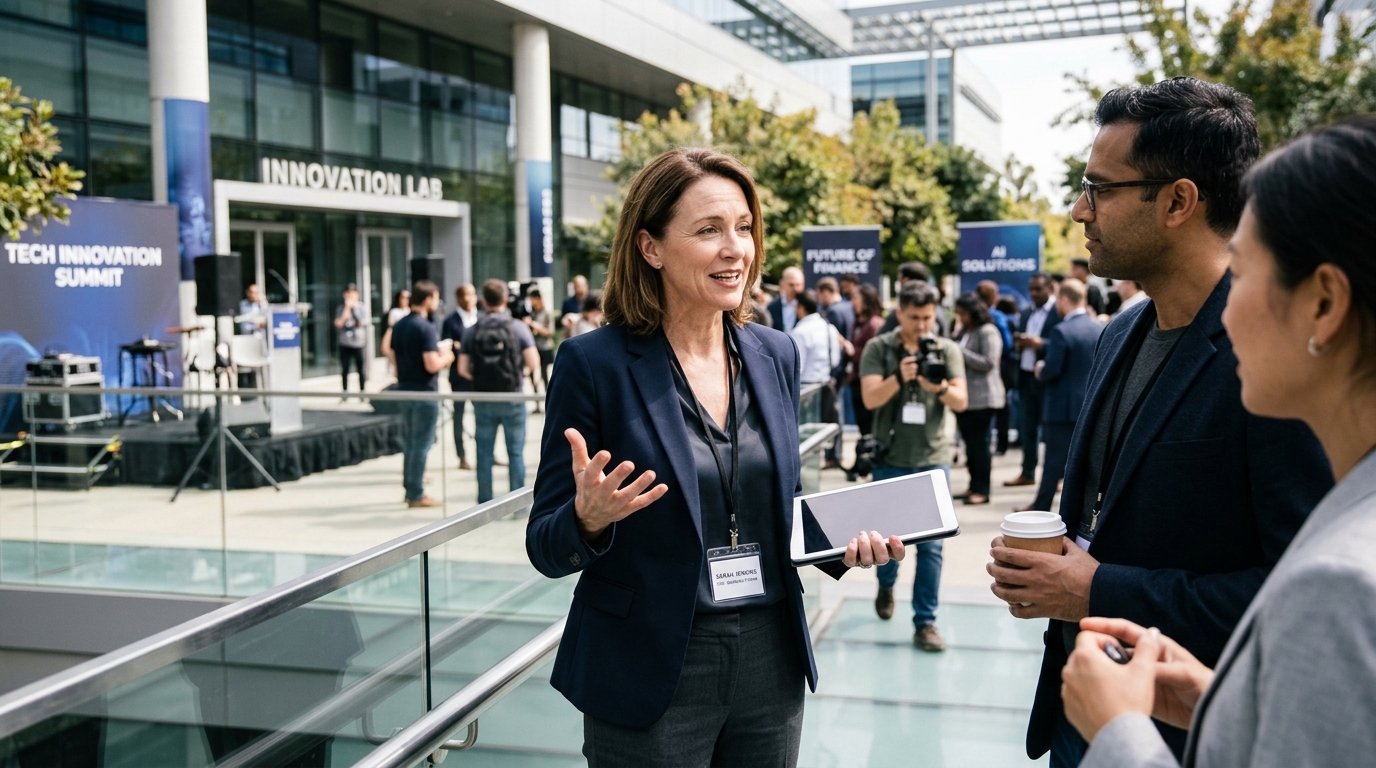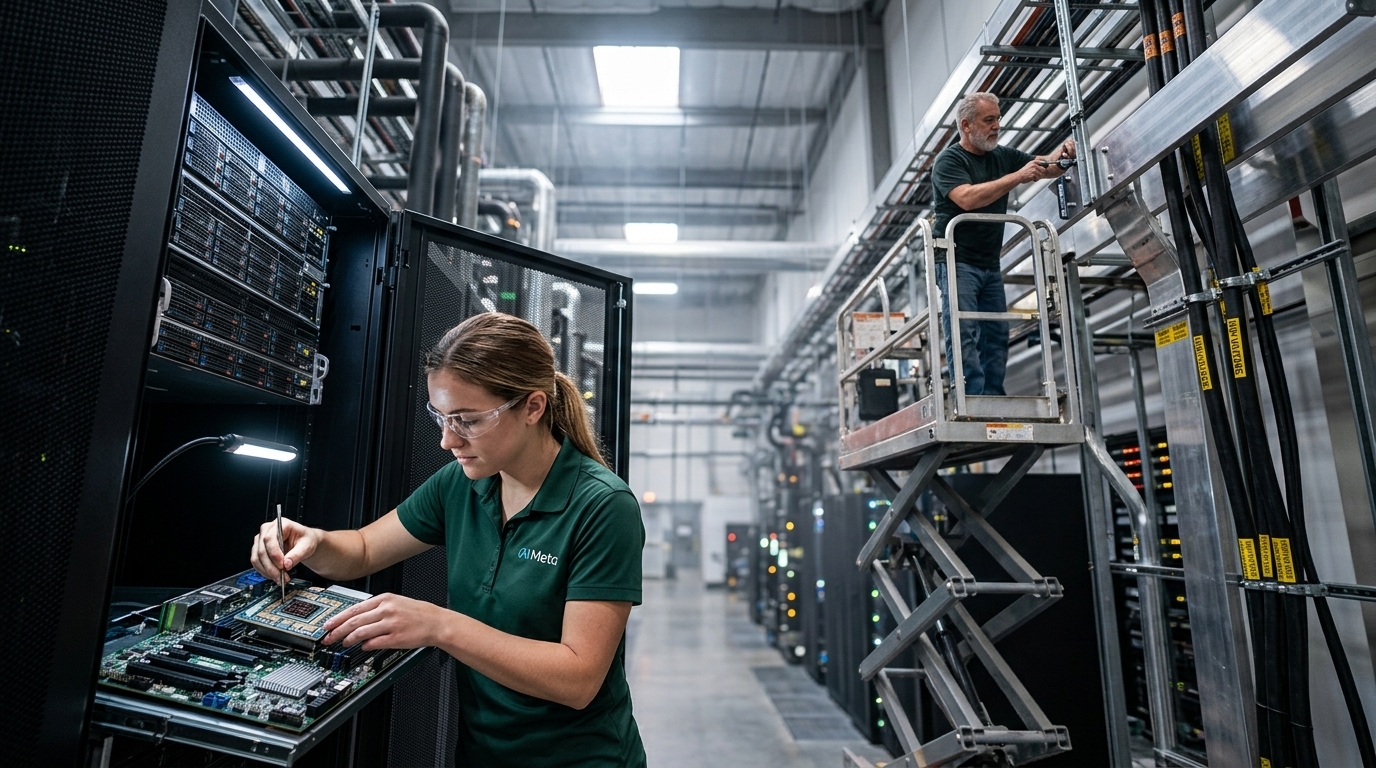
In the ever-shifting map of global technological dominance, the news that Microsoft is seriously considering integrating models from the Chinese AI lab DeepSeek into its services marks a moment of seismic significance. According to an exclusive report by 36Kr, this move is not merely a technical addition but a strategic statement signaling the end of the era of total reliance on OpenAI and the beginning of a more pragmatic, multipolar model in the artificial intelligence market.
The Rise of DeepSeek and the Efficiency Challenge
DeepSeek, based in Hangzhou, China, has managed in a very short time to emerge as one of the most formidable rivals to American AI labs. What sets DeepSeek apart is not just the raw power of its models, such as DeepSeek-V3 and DeepSeek-R1, but their unprecedented efficiency. In a world where the cost of training and operating Large Language Models (LLMs) is skyrocketing, DeepSeek has proven it can achieve GPT-4 level performance at a fraction of the cost and computational resources.
For Microsoft, which operates Azure—the world's second-largest cloud platform—efficiency translates directly into profit. Integrating models that require less energy and fewer Nvidia GPUs to deliver top-tier results is a proposition that no Chief Financial Officer could ignore. DeepSeek has successfully optimized the Mixture-of-Experts (MoE) architecture, allowing for faster data processing, making it ideal for large-scale enterprise applications.
A Strategy of Model "Polyamory"
For years, the Microsoft-OpenAI relationship was described as the "most successful marriage in tech." However, 2026 finds Microsoft pursuing a more open strategy. Satya Nadella has repeatedly emphasized that Azure AI Foundry (formerly Azure AI Studio) must be the destination for every leading model in the world, regardless of its origin. The platform already hosts models from Mistral AI, Meta (Llama), and Microsoft's own Phi family.
The addition of DeepSeek would be the cornerstone of this diversification. It shows that Microsoft is not afraid to "cannibalize" some of OpenAI's exclusivity to ensure that cloud customers do not migrate to competitors like Google or AWS. Furthermore, DeepSeek offers a unique bridge to the Chinese market and Asian enterprises, which often prefer solutions more tailored to local needs and languages.
Geopolitical Balancing and the Tech "Iron Curtain"
This move, however, is not without risks. In an era of intense Sino-American rivalry, integrating Chinese software into critical American infrastructure will surely provoke reactions in Washington. Concerns about data security and potential access by the Chinese government to sensitive information via "backdoors" are ever-present.
Nevertheless, Microsoft seems to be betting on the "open-weight" nature of DeepSeek's models. Many of the company's models are released with licenses that allow for local installation and code auditing, which could mitigate security concerns. Moreover, DeepSeek's technological superiority in areas such as coding and mathematics is so undeniable that banning it could put American businesses at a disadvantage against global competition.
The Future of Azure and the New World Order
If the deal proceeds, the AI landscape will change radically. We will see a shift from the "parameter war" (who has the largest model) to the "utility war" (who has the most efficient model). Microsoft, acting more as a neutral infrastructure provider than an exclusive partner to one company, solidifies its position as the ultimate market orchestrator.
In conclusion, Microsoft's consideration of DeepSeek is an acknowledgment that innovation in AI no longer has borders. China is no longer just a follower but a pioneer setting the pace. For Microsoft, pragmatism outweighs ideology: the best tool for the job is the one that will win the market battle, regardless of its origin.