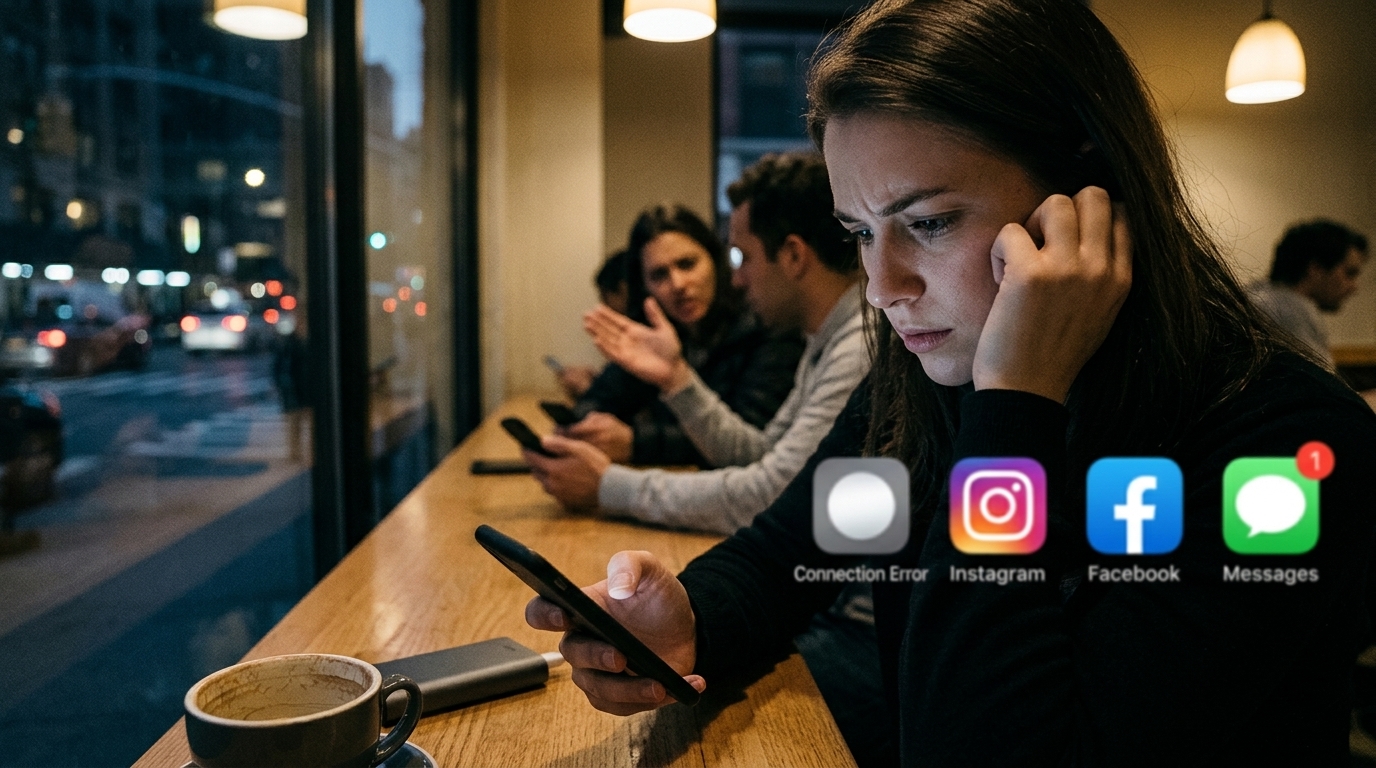
The news spread faster than the malfunction itself: Facebook, Instagram, and Messenger, the pillars of modern social networking, experienced severe operational issues, leaving millions of users worldwide in a state of digital isolation. What began as a simple delay in loading 'stories' quickly escalated into a complete loss of access, serving as a stark reminder of how deeply these platforms are embedded in our daily lives, economy, and social fabric.
The Technical Anatomy of a Digital Paralysis
While Meta, under Mark Zuckerberg's leadership, typically maintains a calculated silence during the initial hours of such crises, network analysts point toward routing protocols and DNS (Domain Name System) configurations. In the past, similar incidents were attributed to misconfigurations in the Border Gateway Protocol (BGP), which essentially acts as the internet's 'roadmap.' When this map fails, Meta's servers become invisible to the rest of the web.
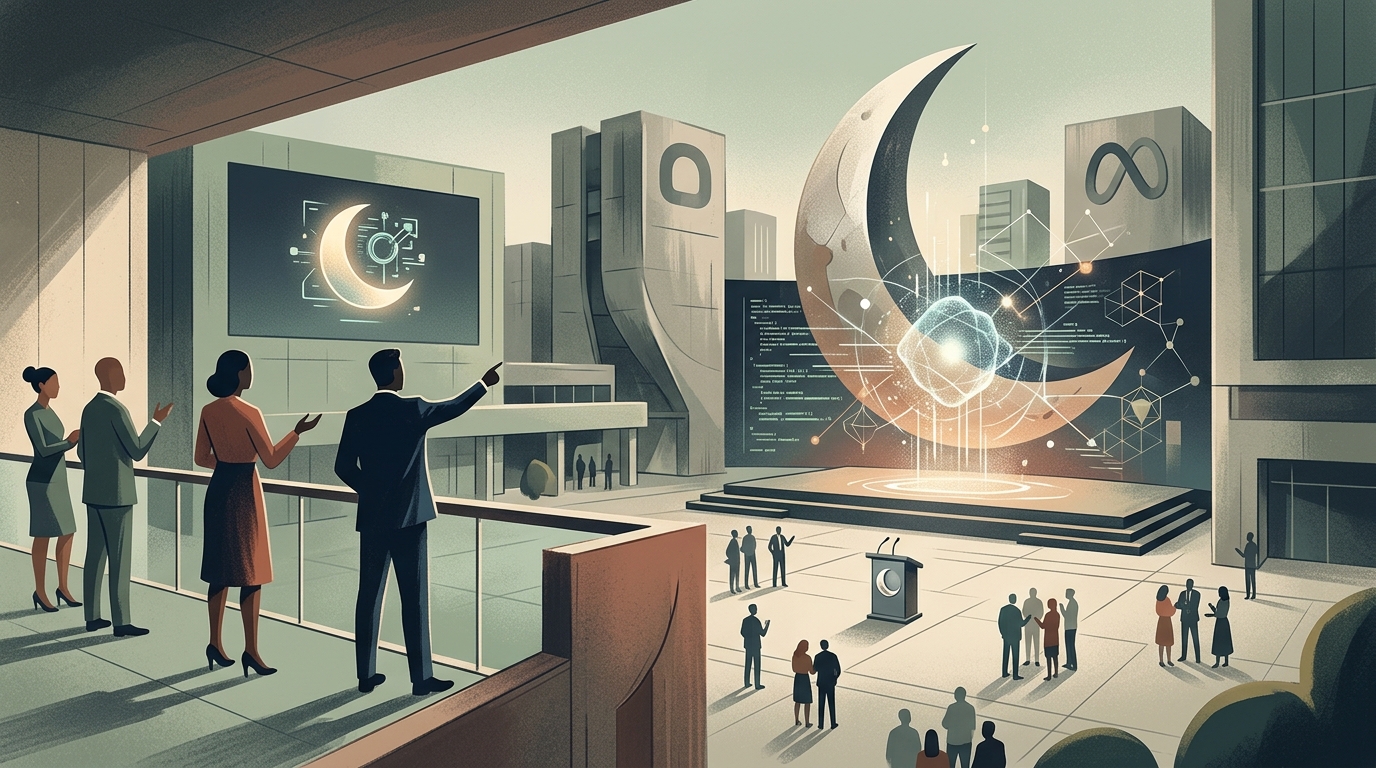
However, in 2026, complexity has surged. The integration of advanced artificial intelligence models (Llama 4) into every facet of the user experience means that a glitch in the data centers supporting AI can trigger cascading failures. Meta's push to unify the infrastructure of its three major apps offers economies of scale but also creates a 'single point of failure.' If one pillar falls, the entire structure trembles.
Economic Toll and Business Uncertainty
For the average user, the outage is an annoyance. For businesses, however, it is a financial hemorrhage. In markets like Greece, thousands of small and medium-sized enterprises rely exclusively on Instagram and Facebook for sales and customer communication. During an outage, advertising campaigns freeze, sales drop to zero, and consumer trust is shaken.
"Every minute Facebook is down, millions of dollars in ad revenue are lost, but the real cost is the severance of the organic connection between brands and their audience," market analysts note.
The reliance on 'rented land' in social media is once again highlighted as the great risk of modern business. Companies that have not invested in their own communication channels—such as newsletters or independent websites—find themselves exposed to the whims and technical woes of a monopolistic player.
The Psychology of Disconnection
Beyond the technical and economic aspects, there is a sociological dimension. The sudden loss of access to Meta's platforms often triggers a sense of 'digital panic.' The rush of users to alternative platforms like X (formerly Twitter) or Telegram to confirm that 'it’s not just their connection' demonstrates the scale of dependency. Meta is no longer just a tech company; it is the infrastructure of our social existence.
In an era where information flows incessantly, the silence of the algorithms becomes deafening. Users are confronted with the void left by the absence of a continuous content feed, raising questions about the mental resilience of a society that has learned to live through Instagram filters and Messenger notifications.
Conclusion: The Need for Digital Pluralism
This incident must serve as a warning. The concentration of so much power and communication infrastructure in the hands of a single corporation poses a systemic risk. While Meta will eventually restore services and issue an apology, the question remains: are we prepared for a prolonged outage? The need for decentralized services and a more balanced digital diet has never been more pressing. Technology is a tool, but when the tool breaks, the entire social fabric should not unravel with it.