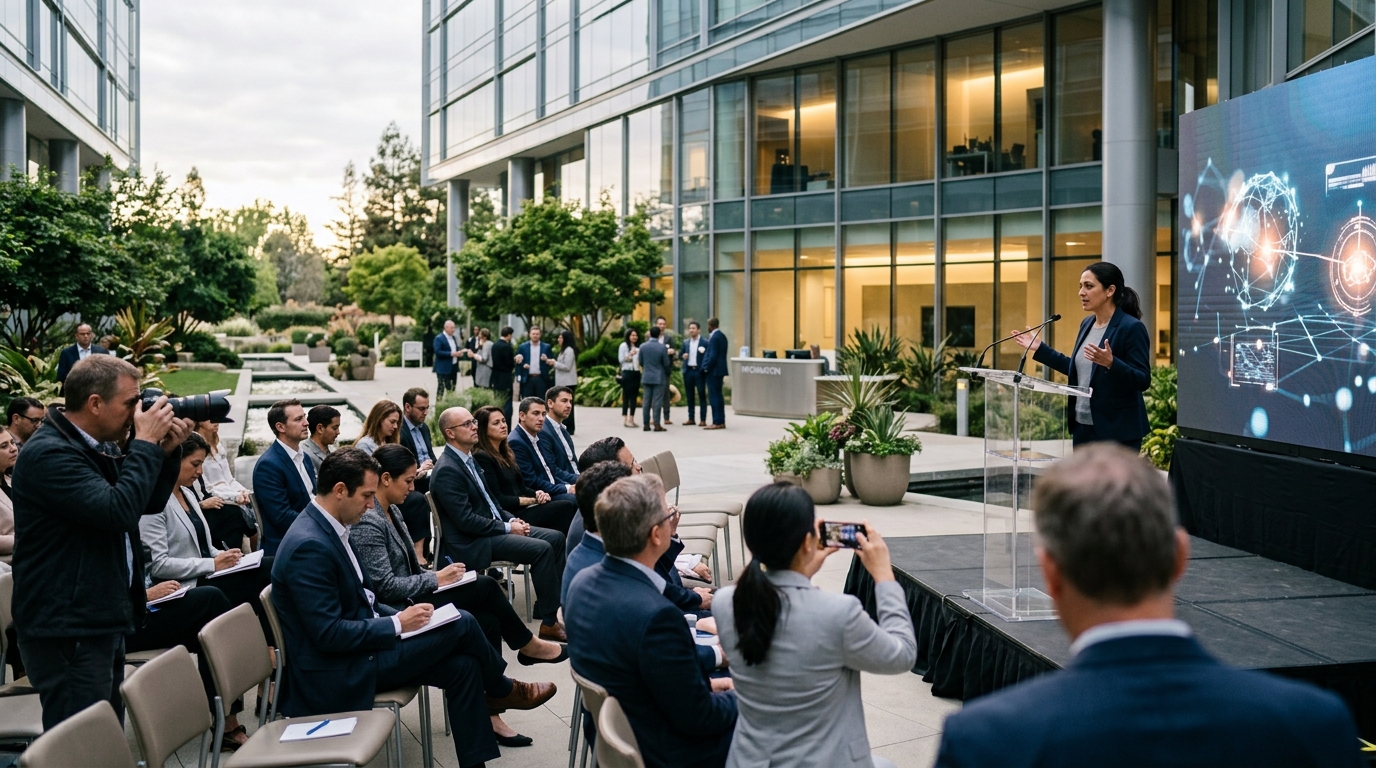
In an era where digital sovereignty has become the new frontier of geopolitical competition, Huawei chose Southeast Europe (SEE) to demonstrate its resilience and technological depth. The Huawei SEE Partner Summit 2026, set against the backdrop of rapid advancements in Generative AI, was not merely a corporate showcase but a strategic manifesto for the future of digital infrastructure in the region.
The Strategy of 'Sovereign AI'
A central theme of the summit was the concept of "Sovereign AI." In contrast to a model of total dependence on US-based cloud infrastructures, Huawei proposed an alternative: building local ecosystems based on the Ascend architecture. This strategy directly appeals to governments and large enterprises in SE Europe seeking ways to leverage AI without relinquishing control of their data to extraterritorial powers.
Huawei argued that AI should not be a monopoly but a tool accessible to all. With the introduction of the new Ascend 920 processors, the company demonstrated that it has largely overcome the constraints of international sanctions, offering computing power that directly competes with market leaders. For the SEE region, this translates to a lower entry cost into the AI era and the ability to develop specialized Large Language Models (LLMs) that understand local nuances and languages.
Green AI: The Energy Challenge
One of the most compelling aspects of the Summit was the convergence of AI and the green transition. Leveraging its leadership in Digital Power technologies, Huawei presented solutions that drastically reduce energy consumption in data centers. In a region where energy costs remain volatile, the promise of "more bits with fewer watts" is exceptionally attractive.
- Integration of IT infrastructure with energy storage systems.
- Real-time AI-driven optimization of data center cooling.
- Development of smaller, more efficient AI models (Edge AI) that require fewer computational resources.
This approach is both economic and political, aligning with the European Union's stringent environmental directives and enabling Huawei's partners to remain within ESG (Environmental, Social, and Governance) frameworks.
The Partner Ecosystem and Greece's Role
Greece, as a telecommunications and energy hub in the Mediterranean, plays a pivotal role in the company's regional plans. During the Summit, the importance of nurturing local talent through programs like "Seeds for the Future" was emphasized. Huawei appears to recognize that technology without a skilled workforce remains dormant. Greek partners were invited to participate in creating an "open platform" that allows startups and research centers to develop AI applications on Huawei hardware and software.
"Artificial Intelligence is not just a new technology; it is the catalyst for redefining productivity across Southeast Europe," stated a senior executive during the keynote.
Despite external pressures, Huawei continues to invest in its trust-based relationships with local providers, betting on the reliability and technical support it has provided in the region for decades. The challenge for 2026 is whether this trust can translate into AI dominance in an environment that remains intensely polarized.
Conclusions and Challenges
The Huawei SEE Partner Summit 2026 made it clear that the company has no intention of retreating from the European stage. Instead, it is rebranding itself as a provider of integrated, intelligent, and green solutions. The primary challenge remains geopolitical instability and the EU's AI Act, which sets high bars for transparency and security. However, for many SEE nations, Huawei's proposition offers a balance between cutting-edge technology and economic viability that is increasingly hard to ignore.