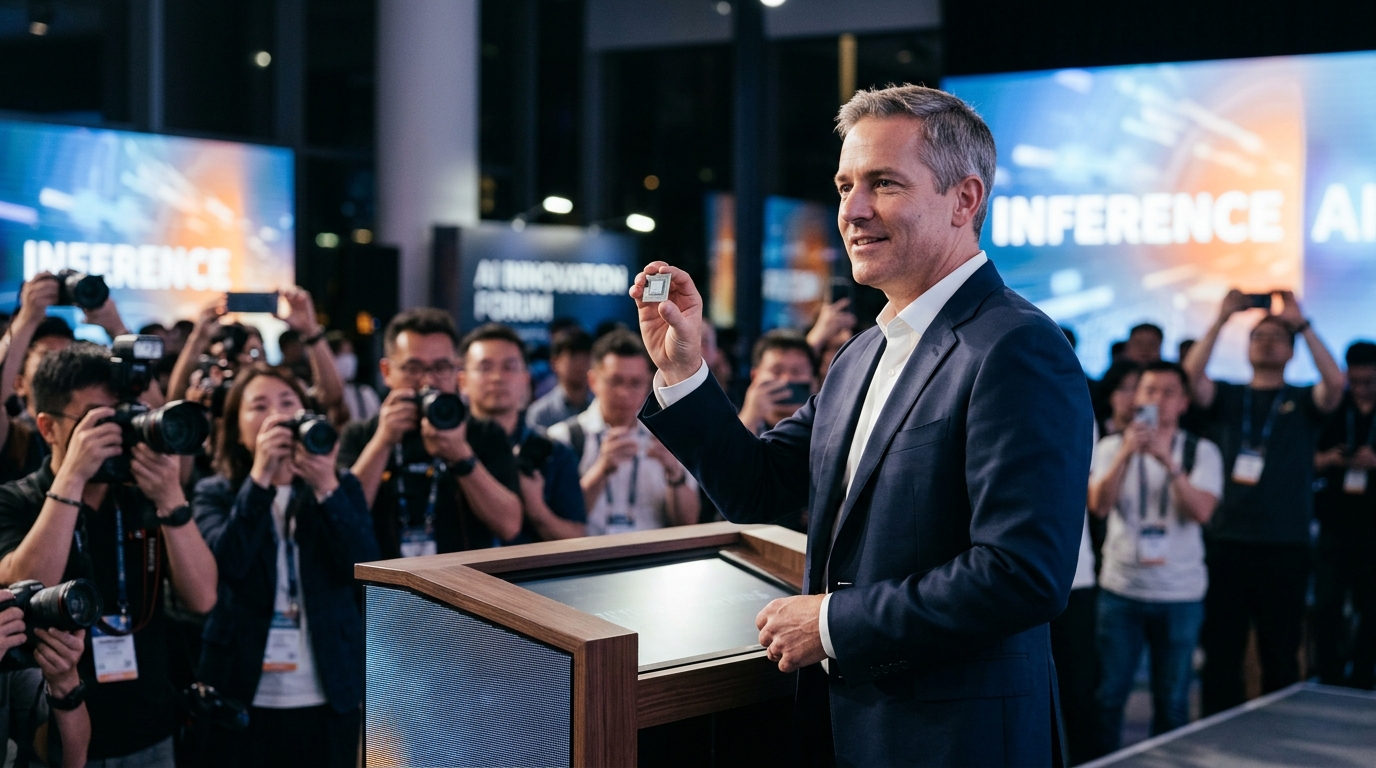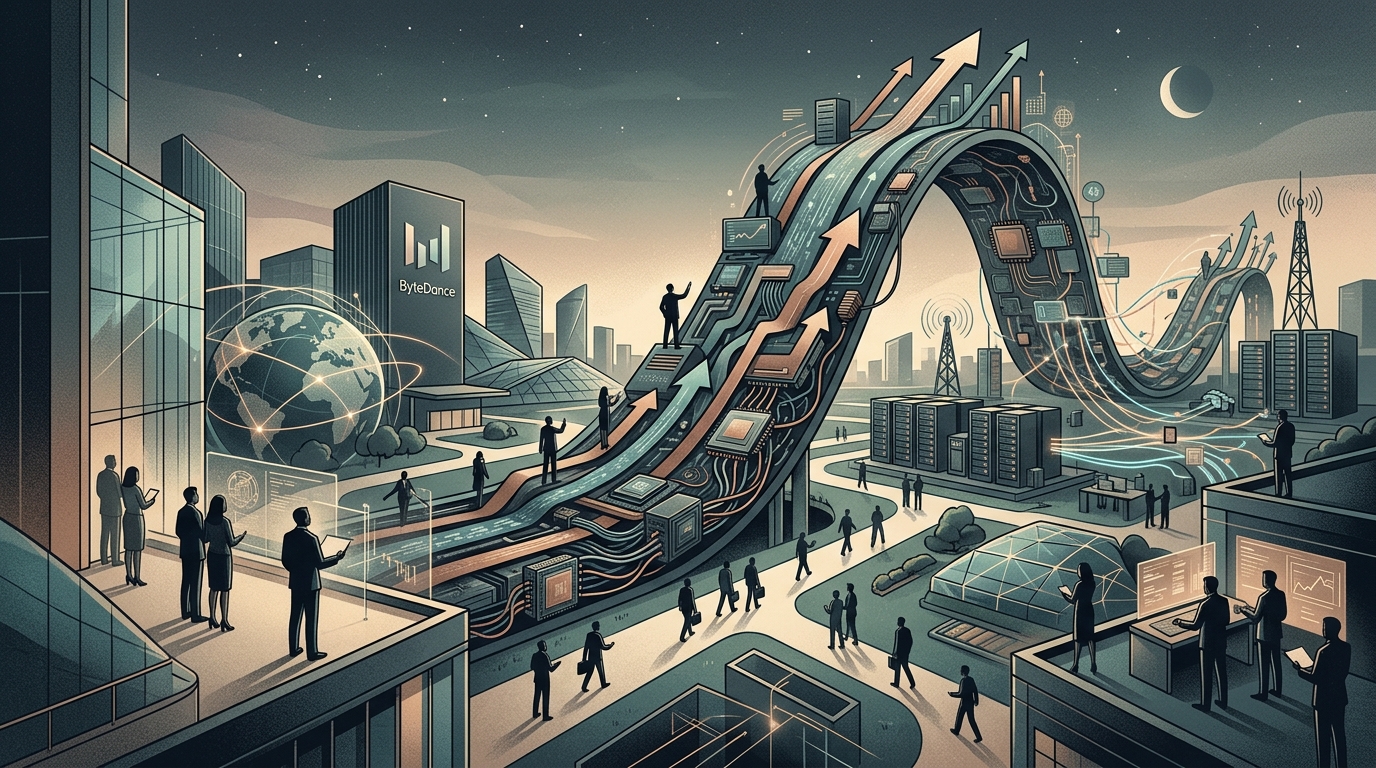
In the heart of the digital era, a new form of inflation is emerging—not on supermarket shelves, but within the data centers that power the modern world. ByteDance, the Chinese titan behind TikTok, has announced an unprecedented surge in capital expenditure (CAPEX) for Artificial Intelligence, confirming that the race for AI dominance has entered a phase of "full-chain inflationary pressure" across the computing supply chain.
ByteDance’s Strategy and the New GPU Landscape
ByteDance's decision to double down is not an isolated move but a response to the existential need for autonomous computing power. As Washington tightens its grip on the export of advanced semiconductors to China, ByteDance is forced to invest billions not just in purchasing existing chips, but in developing its own solutions and securing vast amounts of energy. The "computing power inflation" described by analysts refers to the exponential increase in cost per unit of processing, as demand for models like Doubao—China's answer to ChatGPT—requires infrastructure that three years ago would have been considered science fiction.
ByteDance is reportedly committing massive resources to secure Nvidia's H20 chips (specifically designed for the Chinese market) while simultaneously strengthening partnerships with domestic providers like Huawei. However, the problem is no longer just about chips. It is the scarcity of specialized talent, the rising cost of advanced cooling systems, and, above all, access to stable power grids capable of supporting the consumption of entire cities.
Global Impact and the "Inflation Chain"
The phenomenon is not limited to Beijing. From Silicon Valley to Dublin, Big Tech (Microsoft, Google, Amazon, Meta) is locked in a vicious cycle of spending. When one player increases CAPEX, the others are forced to follow to avoid falling behind in "training speed." This creates artificial scarcity that drives component prices sky-high. According to recent reports, the cost of building a top-tier data center has increased by 40% in just 18 months.
- Price hikes in GPUs and specialized AI accelerators.
- Skyrocketing energy costs for operating Large Language Models (LLMs).
- Scarcity of critical raw materials for semiconductor manufacturing.
- Intense competition for AI talent, with salaries reaching seven figures.
ByteDance, leveraging its massive revenues from advertising and e-commerce, is attempting to "buy" its future. However, the risk is clear: if the return on investment (ROI) does not materialize soon through new AI-driven revenue streams, the market may face a correction similar to the dot-com bubble, but with a much heavier environmental and geopolitical footprint.
"We aren't just buying chips; we are buying the right to remain relevant in the next decade," says an industry executive tracking ByteDance’s maneuvers.
Geopolitics and the "Silicon Iron Curtain"
The escalation in spending by ByteDance also highlights the deepening divide between the US and China. China’s push for semiconductor autonomy is fueling internal price inflation as Chinese firms compete for limited resources not subject to sanctions. ByteDance sits at the center of this storm, trying to balance TikTok's global ambitions with the technological constraints imposed by its home base. Investment in computing power has become a matter of national security and economic survival.
In conclusion, ByteDance's move to "double down" is a harbinger of a period where AI success will be judged not just by algorithmic brilliance, but by raw economic power and the ability to manage an inflationary supply chain. The world is entering a phase where computing power is the new oil, and like oil in the past, its price will determine the fate of nations and corporations alike.