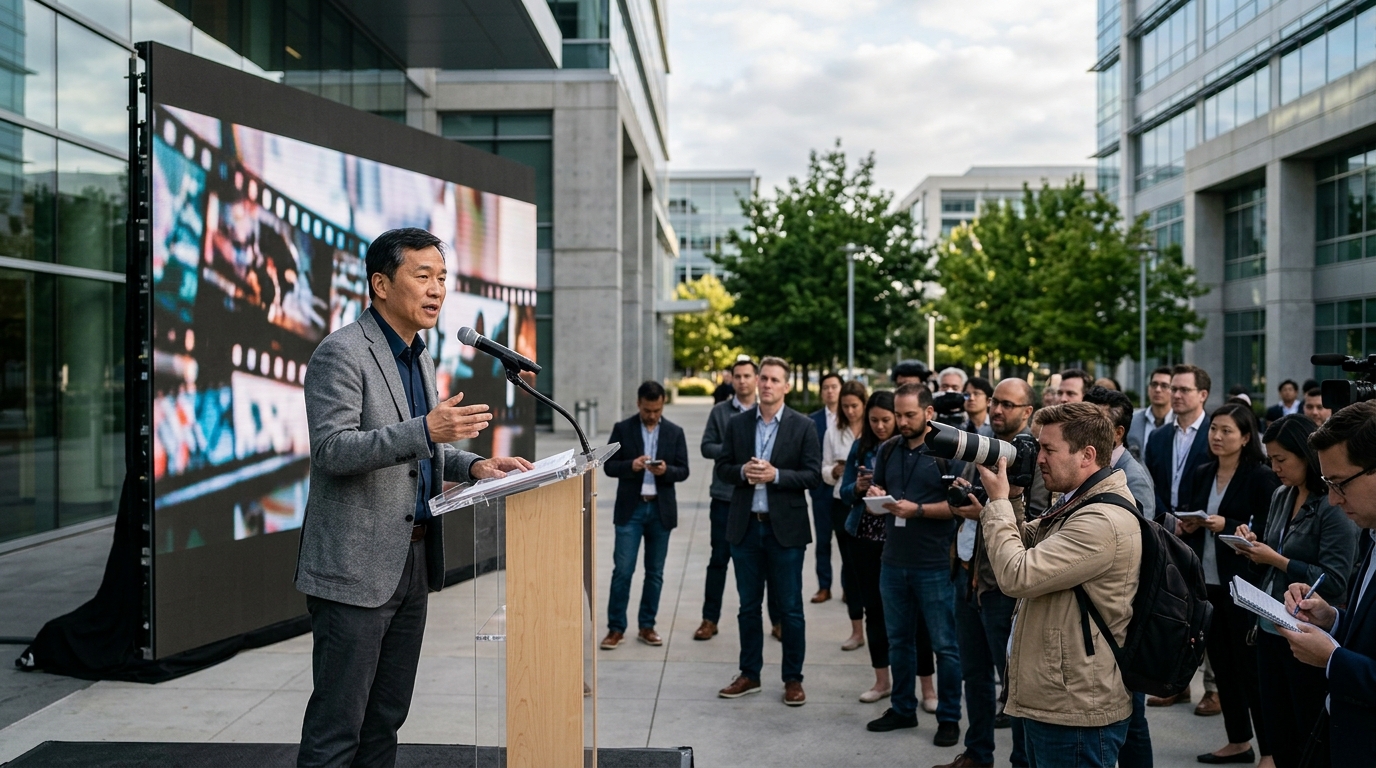
In the heart of the French Riviera, where cinematic tradition meets high aesthetics, a new force made its presence felt this year, eliciting both awe and skepticism. ByteDance, the Chinese tech giant behind TikTok, didn't just limit itself to app presentations; it brought AI-generated films to the forefront of the Cannes Film Market (Marché du Film). This move marks a historic turning point: the technology that began as a tool for short mobile videos is now claiming its place on the big screen and in international distribution markets.
The Technological Prowess of ByteDance
ByteDance's presentation focused on the capabilities of its new video generation models, which allow for the creation of complex scenes, realistic characters, and stunning visual effects at a fraction of the cost of traditional productions. While 2024 and 2025 saw the rise of tools like OpenAI's Sora and Kling, ByteDance appears to have perfected its own suite of tools, deeply integrating TikTok’s user experience into professional filmmaking. The films showcased were not mere experimental clips but complete narratives exploring the boundaries of human imagination in collaboration with algorithms.
The company's strategy is clear: the democratization of high-quality content creation. With ByteDance's AI tools, a creator with limited resources can now produce visual material that previously required multi-million dollar budgets and hundreds of technicians. This, however, raises serious questions about the value of traditional craftsmanship and the survival of industry professionals.
The Reaction of the Cinematic Establishment
The Cannes Film Festival has always been the gatekeeper of "pure" cinema. ByteDance's entry into the Cannes market was met with mixed emotions. On one hand, distributors and producers recognize the immense economic efficiency of AI. On the other, creators and critics express fears regarding the "TikTok-ification" of the seventh art. The concern isn't just aesthetic but ethical: how are the copyrights of actors and artists—whose work was used to train these models—being protected?
- The loss of "human imperfection" that gives art its soul.
- The risk of content uniformity driven by algorithmic preferences.
- Legal uncertainty surrounding the ownership of AI-generated works.
"We are not just facing a new tool, but a new ontology of cinema," stated an industry analyst during a panel at Cannes.
Economic Implications and Competition
For ByteDance, this move is a strategic expansion beyond social media. The goal is global dominance in the "creator economy." By integrating AI film production tools, the company is creating a closed ecosystem: from creation to distribution and consumption. The competition with Hollywood is now direct, as streaming platforms and studios must decide whether to adopt these technologies or stick to traditional methods, risking their financial viability.
In conclusion, ByteDance's presence at Cannes in 2026 will be remembered as the moment Generative AI ceased to be a futuristic promise and became a commercial reality. Cinema is changing its face, and the battle for the soul of the screen has only just begun.